The weird limbo after depression lifts
You're feeling better. Medication adjusted, therapy clicks, the fog lifts. And then you realize something unexpected. Your body doesn't feel like yours anymore. Not in a crisis way. Just. Unfamiliar. The desire that used to show up automatically feels like a memory of someone else's life.
This is so common I see it weekly in my practice, and almost nobody talks about it. Depression doesn't just lower libido. It rewires your relationship with pleasure entirely. When it lifts, that rewiring doesn't vanish instantly. Your nervous system has learned to stay small, to avoid sensation, to conserve energy. Relearning arousal takes time.
What depression actually does to desire
Depression is fundamentally a nervous system state. It's not sadness or weakness. It's a shutdown. Your brain literally deprioritizes pleasure, reproduction, and sensation because it's running a survival protocol. Dopamine drops (the drive neurotransmitter), oxytocin decreases (the connection chemical), and your pelvic floor tightens from chronic stress.
The body keeps score. Even after your mood stabilizes, your nervous system is still in partial shutdown mode. Many people describe early recovery as feeling numb. You can think about sex. Your partner is attractive. But the spark feels distant, like you're watching pleasure happen to someone else.
This is not a sign recovery isn't working. It's a sign your nervous system is still recalibrating.
Why sensation returns slowly (and that's okay)
Arousability isn't a switch. It's a gradual increase in body awareness, blood flow, and nervous system activation. After depression, you're retraining your system to tolerate sensation without reverting to shutdown mode.
This is where a lot of people get stuck. They expect desire to bounce back like it flipped off. When it doesn't, they panic. "I'm broken. The antidepressants killed my libido for good. I'm never going to want sex again." All false. But they feel true in the moment.
What's actually happening is slower, quieter. Your nervous system is learning that it's safe to wake up again. That takes weeks or months, not days.
Starting over with touch (the real beginning)
Forget sex for now. I mean that genuinely. The fastest way to rebuild desire is to stop chasing it.
Instead, start with non-sexual touch. This sounds like a therapist cliché, but it's backed by attachment research. After depression, your body needs proof that sensation is safe before it will fully participate in pleasure.
Three practices that work:
Microtouches. Spend five minutes with your partner just stroking your own arm, your neck, the inside of your wrist. Let them do the same to you. No goal. No buildup. Just sensation. Your nervous system learns that touch doesn't have to escalate.
Shower time alone. Let water hit different parts of your body and notice what feels good. This sounds strange, but after depression, many people have literally forgotten what pleasant sensation feels like. Your nervous system needs a safe space to remember.
Grounding through texture. Silk, velvet, wool. Not as sexy tools. As nervous system retraining. Your brain is relearning that texture equals safety, not threat.
Do this for one to two weeks before introducing any pleasure device.
Why clitoral suction helps recovery specifically
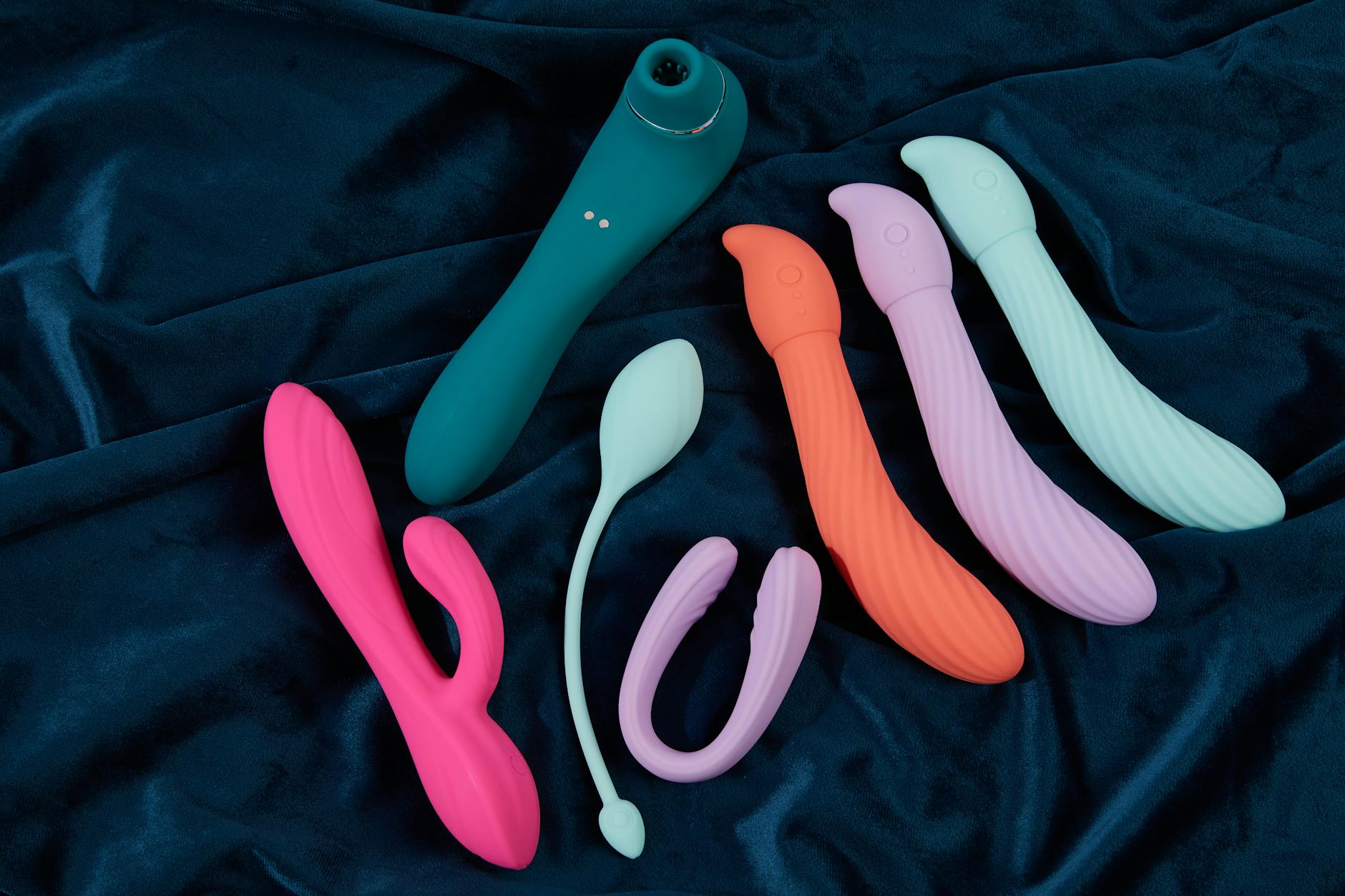
When you're ready to reintroduce pleasure, a lemon vibrator (or any clitoral suction toy) is actually ideal for post-depression recovery. Here's why.
Traditional vibration can feel overstimulating when your nervous system is already fragile. Suction, by contrast, creates a gentle pulling sensation that builds arousal more gradually. It doesn't jolt. It invites.
The Lem by Hello Nancy, specifically, has the additional advantage of starting at lower suction patterns. You can begin at level one, which applies almost no pressure. This matters enormously. Your nervous system needs proof that you control intensity, that you can go slow, that no one is pushing you.
Many people emerging from depression describe the first time using suction: "It felt like permission." Permission to want something. Permission to stay present. Permission to not perform.
The solo practice first
Rebuild arousal alone before you include a partner. This is not because partnered sex is wrong. It's because your own nervous system needs to trust itself first.
Set aside 20 minutes in the morning or early evening when your energy is highest. No pressure to orgasm. The goal is sensation exploration, not completion.
Start with your hands. Find spots that feel good now. Your neck. The inside of your elbow. The backs of your knees. Spend time there. Your nervous system is building a map of what feels safe.
When you introduce the Lem, start on pattern one. The suction will feel almost imperceptible. That's intentional. You're teaching your body that arousal can start quietly.
If you feel nothing, that's normal. Stay there anyway. Presence, not intensity, is the goal. After depression, sensation often comes back in stages. First you notice nothing. Then you notice pressure. Then you notice pleasure. The timeline varies. Two weeks to two months is typical.
Talking to your partner about this
If you have one, your partner is probably confused. Everything was fine. Then suddenly you're not interested. They may blame themselves or assume you've fallen back into depression.
Here's what to say: "My body is coming back online. It's slower than I'd like. I need you to move at my pace, not yours. This isn't about you. It's about relearning pleasure safely."
Then give them concrete actions:
- No initiating sex for two weeks
- Touch me nonsexually (hand, massage, just presence)
- When I'm ready to include you, I'll say so
- Slow is good. Slower is better.
The couples who navigate post-depression recovery best are the ones who treat it like a skill to rebuild, not a problem to fix. Your partner becomes a collaborator in sensation retraining, not a pressure source.
When to involve your partner again
When you've had a few solo sessions where you felt something (even subtle), you're ready.
Start with presence, not action. Have your partner in the room while you use the Lem alone. Let them watch. Build comfort with being seen in pleasure. This is scarier than it sounds. Depression often carries shame. Being seen wanting something can feel vulnerable.
Your partner's job is to stay still, hold space, maybe hold your hand. Not to judge. Not to push. Not to ask "did you come." Just presence.
When you're ready for partnered touch, go slow. Hands before anything else. The Lem can come into partnered pleasure, but only when you've rebuilt trust in your own nervous system first.
Medication and recovery timing
Some antidepressants do impact libido as a side effect. But most of the time, the flatness you're feeling in early recovery is the depression lifting, not the medication. Your nervous system is waking up gradually.
If you're six months past stabilization and still feel completely numb, talk to your prescriber. Sometimes a dose adjustment or a different medication helps. But don't assume the pill is the problem. Give your nervous system time.
Red flags to watch for
Pain during pleasure is worth mentioning to a doctor. So is intrusive depression thoughts during arousal ("I'm broken," "This will never work"). These need clinical attention, not just time.
Most post-depression desire recovery is timeline, patience, and nervous system retraining. Some situations need extra support. Know which one you are.
The realization that sneaks up on you
At some point, usually weeks in, you'll notice something. A genuinely good sensation. Not forced. Not obligatory. Just. Good. Your body recognizing pleasure again.
That's the sign that recovery is happening. Not that you're suddenly back to where you were, but that your nervous system is trusting sensation again. From there, arousal rebuilds naturally.
Depression didn't erase your capacity for pleasure. It just put it temporarily offline. When you're ready to turn it back on, slowly, with permission, with a tool like a lemon clitoral vibrator that doesn't demand intensity, the whole system usually cooperates.
Your body wants to feel good again. Sometimes it just needs proof that it's safe.
People also ask
How long does it take for libido to return after depression treatment?
It varies. Most people notice subtle shifts in sensation within two to four weeks of consistent practice. Full arousal recovery (the spontaneous "I want you" feeling) often takes two to three months. This isn't a linear process. Some days feel like progress. Others feel flat again. That's normal nervous system recalibration, not backsliding.
Can antidepressants permanently damage my ability to orgasm?
No. Libido and arousal are suppressed while depression is active, and sometimes temporarily while medication adjusts. But the neurological capacity to orgasm doesn't disappear. Once your nervous system is stable and you rebuild arousal through practice, orgasm usually returns. If you're six months into stable medication and still completely numb, talk to your doctor about adjustments.
Is it normal to feel guilty about not wanting sex during recovery?
Yes, and it's worth naming. Depression often comes with shame. The desire comes back and you feel guilty for not having wanted sex while depressed, or guilty for being slow now. This guilt is a symptom, not a fact. Your body is doing exactly what it should. Be patient with yourself.
Why does suction feel better than vibration when recovering from depression?
Vibration can feel jarring to a nervous system that's still in partial shutdown mode. Suction creates a gradual, rhythmic stimulus that builds arousal more gently. It's easier for your nervous system to tolerate and easier to control. You can start at minimal intensity and build, which helps you stay present instead of getting overwhelmed. Lemon vibrators and other clitoral suction toys are specifically designed for this gentler buildup.
Should I tell my partner I'm using a toy for recovery?
Yes, if you're in a partnered relationship. Transparency prevents misunderstanding and shame. You might say: "I'm rebuilding my arousal after depression. I'm using a device alone first to help my nervous system remember what pleasure feels like. I'll include you when I'm ready." Most partners appreciate being brought into the process rather than confused by changes in interest.
What if I still feel nothing after a month of practice?
Then your nervous system might need extra support. Some people benefit from somatic therapy, which works directly with the body's trauma response. Others find that a slight medication adjustment helps. And some just need more time. A month is early. Give yourself two to three months of consistent practice before assuming something is wrong.
Moving forward
Recovery from depression isn't linear. Some weeks you'll feel present and aroused. Others you'll feel flat again. That's the nature of a nervous system learning to trust sensation after trauma.
The lemon vibrator is a tool, not a cure. But it's a surprisingly good one because it meets you where you are. It doesn't demand intensity. It allows you to start small and build. It puts you in control.
Your desire will come back. It might look different. It might feel slower to arrive. But it will come back. Your body hasn't forgotten pleasure. It's just learning to trust it again. And that, honestly, is the real work worth doing.
If you're struggling with rebuilding intimacy after major life stress, we have guidance on that too. And if anxiety is part of your recovery, this piece on pleasure and racing thoughts might help.
You're not broken. Your nervous system is just recalibrating. Give it time, give it gentleness, and trust that pleasure comes back.