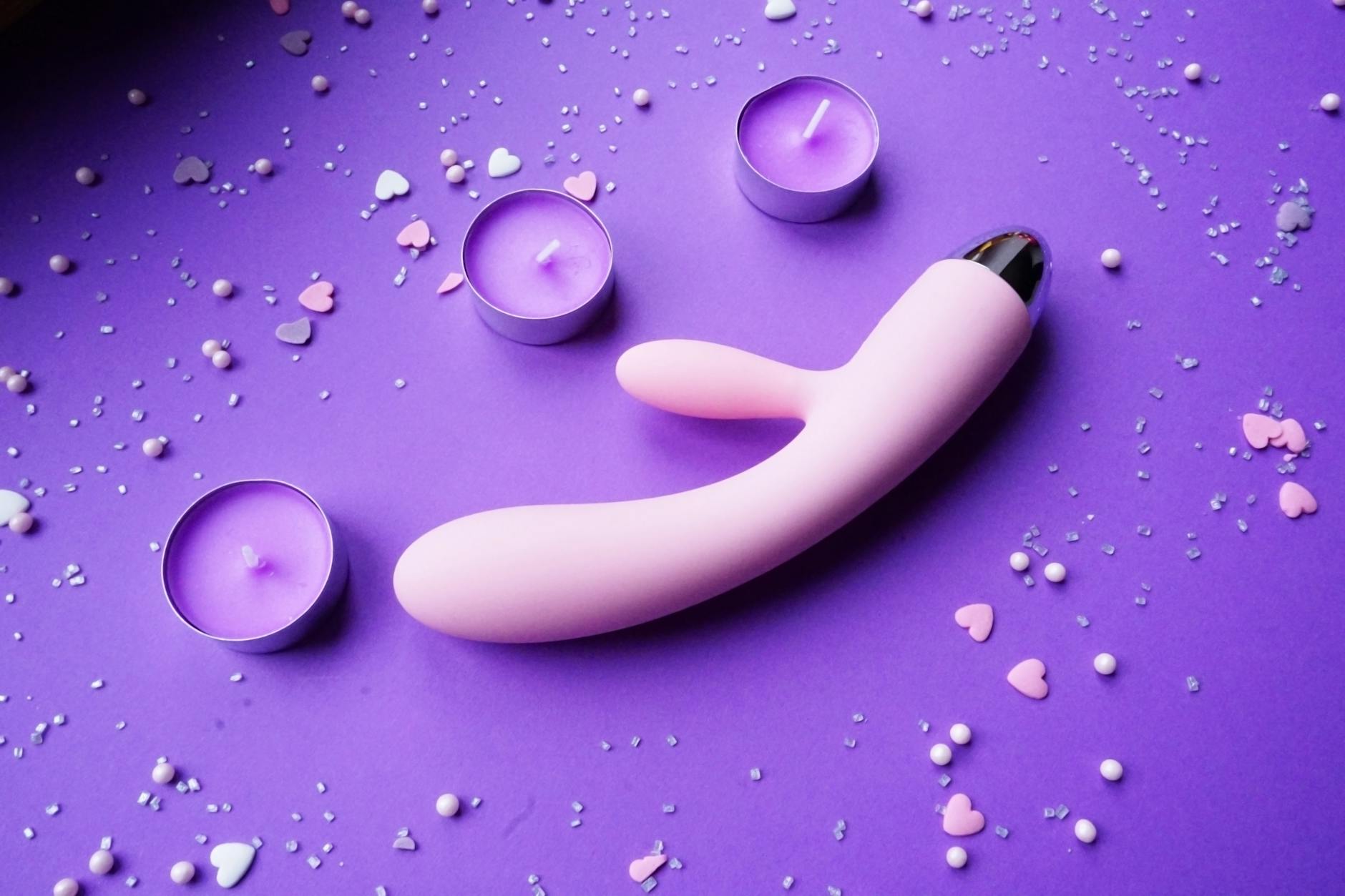
Let's start with what actually happens when stress wins
Major life stress doesn't just tank your libido. It kills the thing that comes before desire: presence. When couples are in crisis mode, touch becomes a transaction (quick hug, obligatory kiss) instead of a conversation. The nervous system stays in fight-or-flight. Pleasure feels like a luxury you don't deserve. Intimacy feels like another obligation.
After burnout, job loss, illness, grief, or the kind of year that rewires your entire life, reconnecting sexually isn't about forcing desire back. It's about rebuilding the neural pathway between touch and safety.
That's where lemon vibrators change the game for couples. They're not a replacement for emotional repair. They're a tool to remind your bodies that pleasure and presence can coexist again.
Why stress dismantles intimacy first
This isn't in your head. When the nervous system is stuck in survival mode, blood flow redirects away from the genitals and toward the major muscle groups. Arousal takes longer. Orgasm becomes harder. Your brain is literally too busy scanning for threats to focus on sensation.
But here's what most couples miss: the real damage isn't physiological. It's relational. After months or years of parallel suffering, you've built a routine that doesn't include touch. That absence becomes normal. And normal is hard to interrupt without a deliberate reset.
For couples rebuilding after major stress, a lemon clitoral vibrator serves one specific purpose. It gives you permission to slow down and pay attention to sensation without the pressure of performance or reciprocal arousal.
Starting the conversation before you start anything else
Let's be clear: using lemon sexual toys to reconnect only works if you've done the emotional groundwork first. That means acknowledging the rupture. It means talking about what you both lost during the crisis and what you're willing to rebuild.
The conversation might sound like: "I miss us. I miss being touched without everything feeling like a crisis. I want to rebuild that, and I'm nervous about it. Can we try something that feels lower pressure?"
Lower pressure is key. If either partner enters this with performance anxiety or unspoken resentment, a vibrator becomes another source of tension. The tool doesn't fix a broken conversation.
But once you've named the rupture, you're ready to use lemon vibrators as a structured way back in.
How couples actually use a lemon vibrator to reconnect
There are two main approaches. Pick the one that fits your relationship.
Option 1: The witness approach. One partner uses the lemon vibrator on themselves while the other partner is present. Not performing, not judging, just witnessing. This works because it reintroduces touch and presence without the pressure of simultaneous arousal. The partner who's watching gets to notice their own response ("Oh, I forgot I love watching them like this"). The partner using the toy gets to rebuild pleasure in a body that's been stressed into numbness.
Start with 10-15 minutes of non-sexual touch first (hand on chest, foreheads together, fingers interlaced). Then introduce the lemon vibrator at a lower intensity. Let arousal build slowly. There's no timeline.
Option 2: The collaborative approach. You're both touching, but the lemon vibrator becomes the focal point instead of intercourse. One partner uses it on the other, but the receiving partner stays active through communication ("slower," "right there," "closer to me"). This rebuilds the feedback loop that stress erased.
The key difference from pre-stress sex: you're not racing toward orgasm. You're practicing presence. An orgasm is a bonus, not the objective.
The texture and sensation work best for stressed bodies
Why lemon vibrators specifically? Because the suction stimulation pattern is fundamentally different from traditional vibration. It creates a rhythmic pressure that feels closer to manual touch than a buzzing vibrator does. For bodies that have been numb from stress, that's powerful.
Start at pattern 1 or 2. A stressed nervous system can't process intense sensation properly yet. The goal is to wake up nerve endings, not overwhelm them.
Use plenty of lubrication. Stress and cortisol suppress natural lubrication, and dry tissue will feel uncomfortable instead of pleasurable. A good water-based lubricant removes that friction barrier and lets sensation come through cleanly.
Reframing what pleasure means right now
After major stress, pleasure has to be redefined. It's not the explosive, all-consuming thing it might have been before. It's quieter. It's "I felt something good in my body today." It's "I was present with my partner and didn't check my phone once."
That's not less-than. It's different. And for couples rebuilding, it might be closer to healing than the old version ever was.
When to call in professional support
If you've had the conversation, you've rebuilt some presence together, and pleasure still doesn't return after a few months, talk to a therapist who specializes in couples and sexuality. Sometimes stress triggers old trauma. Sometimes a crisis reveals a relational pattern that was already broken. A lemon vibrator can't fix that, and it shouldn't have to.
If pain appears during sex or touch feels dangerous to either partner, that's also a sign to pause and get professional support before reintroducing toys. Trauma needs care that goes beyond sensation work.
The timeline is different for every couple
Some couples reconnect with lemon vibrators in a few weeks. Some take months. The ones who succeed are the ones who stop comparing their timeline to anyone else's.
The goal isn't to get back to how things were before the stress. It's to build something new that includes what you learned during the crisis. Maybe that's more presence. Maybe it's less performance. Maybe it's the knowledge that you can survive hard things together.
A lemon vibrator is just a tool for that conversation. But it's a conversation worth having.
FAQ: Common questions about lemon vibrators and reconnection
What if one partner is ready before the other?
That's almost always the case. One person finishes the emotional processing first. The solution isn't to pressure the slower partner. It's to give them space while staying connected through non-sexual touch. Hand-holding, sitting close, verbal affirmation. The slower partner isn't broken. They're still integrating what happened. Forcing lemon vibrators into that will backfire.
Can a lemon vibrator create distance if we use it wrong?
Yes. If either partner feels pressured, judged, or like the vibrator is a substitute for emotional intimacy, it becomes isolating. The tool only works if you've already agreed that you're rebuilding together. Use it as part of a larger intimacy plan, not as a shortcut around doing the harder emotional work. Read about how to use a lemon vibrator with your partner for more on collaborative approaches.
How long after a major stress should we wait before trying lemon vibrators?
There's no magic number. Wait until both partners have moved from crisis response ("How do we survive?") to rebuilding ("How do we heal?"). That might be weeks or months. You'll know when the conversation shifts from survival to reconnection. That's when toys start making sense again.
Should we try a lemon vibrator before or after professional counseling?
Ideally, both. Start couples counseling now. Use the lemon vibrator as one tool within that larger process, not as a replacement. A good therapist can help you navigate both the emotional work and the physical reconnection at the same pace.
What if we used lemon sexual toys before the stress and they feel loaded now?
That's common. The toy might trigger the memory of when you used it together before everything broke. You have options: put that specific toy away for a few months while you heal, try a different one to create a new memory, or talk explicitly about what the toy means to you now. Sometimes renaming the experience ("This is our healing tool, not a reminder of loss") shifts the charge.
How do we talk about this without making it feel clinical?
You don't need a long speech. Try: "I've been thinking about us, and I want to feel close again. I found something that might help us remember how to touch without pressure. Want to try?" The lemon clitoral vibrator does the work of lowering anxiety. Your words just need to be honest.
The reset is slower but deeper
Couples who rebuild intimacy after major stress often report something unexpected. Once you've survived a crisis together and consciously chosen to rebuild, the connection that follows is tougher. More intentional. Less automatic.
That's the real work of reconnection. The lemon vibrator is just a way to practice presence during that work.
You've already proven you can survive hard things. Now you get to practice something harder: letting yourself feel good again.