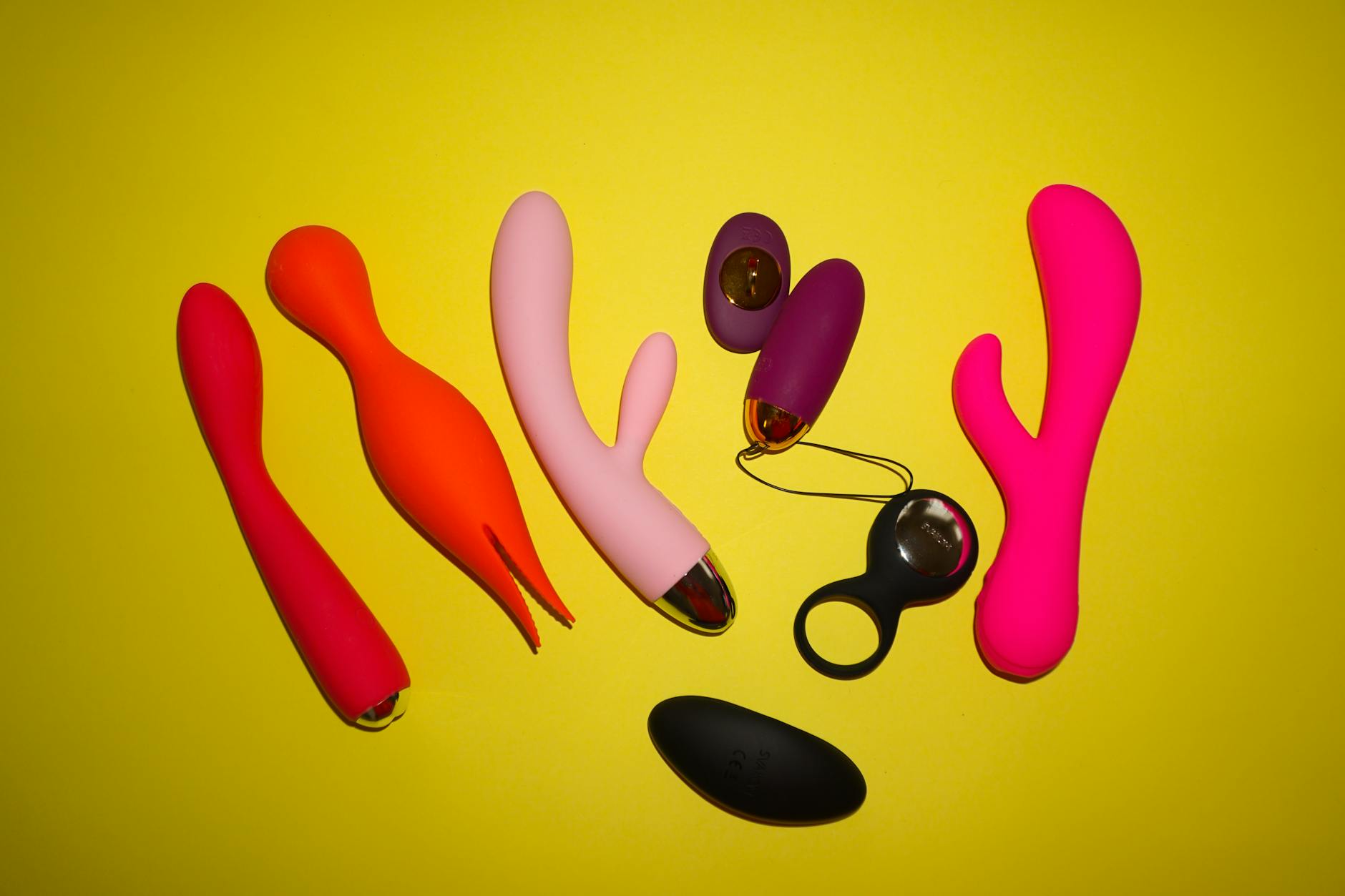
Let's talk about what actually happens down there
Postpartum bodies are remarkable. They're also... weird. Your tissues feel different. Sensation is muted in some places, hypersensitive in others. The muscles that supported your pelvic floor for nine months are now learning to remember their old job. And everyone keeps telling you to "wait six weeks" without explaining what's supposed to happen after.
Here's what nobody tells you: pleasure doesn't disappear after childbirth. It just requires translation. Your nervous system and tissues need time and the right tools to remember what worked before. A lemon vibrator, which works through gentle suction rather than intense vibration, can actually be one of the kindest ways to help your body reconnect with sensation.
What physical changes affect sensation after delivery
Vaginal delivery stretches the perineum and can cause small tears (episiotomies add their own layer). Cesarean delivery means abdominal and internal tissue trauma instead. Both change how your pelvic tissues feel to touch for weeks or months afterward.
More importantly, your hormones have bottomed out. Prolactin rises if you're breastfeeding, which actively suppresses estrogen and testosterone. These hormones aren't just about arousal. They're about blood flow to genital tissue, lubrication capacity, and the thickness and elasticity of vaginal walls. When they tank, sensation genuinely feels duller. You're not broken. Your biochemistry has shifted on purpose.
The pelvic floor muscles themselves are fatigued. They pushed for hours (or weren't needed if you had a cesarean). Either way, they're in a state of dysfunction. Kegels feel weird because the muscles don't have their baseline tone back yet. That changes how orgasms register, too. Some people report that orgasms feel less intense, more localized, or almost creepy. That's your nervous system relearning the landscape.
Why lemon vibrators work better than traditional vibrators postpartum
Lemon clitoral vibrators like the Lem use suction and pulsation rather than straight vibration. Here's why that matters when you're healing.
After childbirth, direct friction on the clitoris can feel overwhelming or even slightly painful. The tissue is thinner, more reactive, and sometimes still inflamed. A suction-based toy doesn't require you to press it against sensitive tissue. Instead, it creates a gentle seal that stimulates through air-pulse technology. The sensation is diffuse, controlled, and way more forgiving than a traditional vibrator pressed directly on the head of your clitoris.
You also control the intensity. A lemon vibrator starts at a lower threshold and builds gradually. Most postpartum bodies need that. You're not forcing intensity. You're inviting sensation back at your own pace. That matters psychologically too. Rebuilding pleasure shouldn't feel like a chore.
The timeline for reclaiming sensation
Every provider will tell you six weeks is when penetration is cleared. What they should tell you is that six weeks is the bare minimum for some people and not nearly enough for others.
Weeks 1-2: Your body is in shock. Sleep deprivation is doing something close to neurological damage. Pleasure is not the goal. Healing is. Skip this phase entirely.
Weeks 3-6: Bleeding has mostly stopped. Pain when you walk is less acute. Some people start feeling little sparks of something. Others feel nothing. Both are normal. If you're curious, external stimulation with your hand or a toy is low-pressure and tells you a lot.
Weeks 6-12: This is when things get interesting. Stitches are done. Basic inflammation has settled. But sensation is still returning. This is the perfect window for a lemon vibrator. The gentle suction won't overwhelm healing tissue, but it will help activate nerve endings. You might notice sensation returning in layers. Week 8 feels totally different from week 6.
Months 3-6: By now, most people have significant sensation back. But if you're breastfeeding, hormones are still suppressed. That dull feeling might persist. That's not your fault.
How to start using a lemon vibrator postpartum
First, check with your provider. If you had an uncomplicated vaginal delivery or cesarean, external stimulation with a toy is safe after six weeks, usually. If you had complications, ask specifically.
Start solo. Honestly. Not because partnered exploration is wrong, but because you need to relearn your own body before you bring another person into the equation. Solo sessions let you focus on what feels good without performance pressure.
Begin with your toy completely off your body. Just hold it. Let your fingers explore it. This sounds silly, but desensitization from touch is real after birth. Your hands have been on your baby non-stop. Reintroducing your own sensuality starts with texture.
When you're ready, use the lemon vibrator on the outer labia first. Not the clitoris. The suction on less sensitive tissue helps your nervous system remember what pleasure feels like without overwhelming you. Spend time here. Five minutes. Ten minutes. There's no finish line.
Gradually move closer to the clitoris. Use lower intensity settings. If you feel numbness, that's your nervous system still waking up. That's fine. It doesn't mean you should stop. It means keep going, gently.
Hormones, breastfeeding, and why sensation might stay muted longer
If you're nursing, your prolactin levels are elevated. That's the hormone that makes milk and suppresses estrogen. Estrogen does a lot of unglamorous work: it keeps vaginal tissue thick, maintains lubrication, supports blood flow to genital tissue. Without it, pleasure feels muted even if your pelvic floor is healed.
This isn't forever, but it can last months. Some people notice a shift around six months postpartum. Others not until they stop breastfeeding. That doesn't mean you can't explore pleasure with a lemon vibrator. It means you might need more patience and longer warm-up time. Your body isn't refusing pleasure. It's just operating in a different biochemical mode.
Lubricant helps massively. Water-based or silicone-based, depending on what your toy is made from. A little external lubrication can make the difference between numbness and sensation.
What to do if things hurt or feel wrong
Pain during external stimulation isn't normal past eight weeks postpartum. Neither is intense burning, stinging, or a sensation like you're going to tear. If any of that happens, stop and call your provider.
Sometimes postpartum bodies develop complications that aren't obvious. Residual tears, scar tissue, or pelvic floor dysfunction that needs physical therapy. A pelvic floor PT can be genuinely life-changing. They can assess what's tight, what's weak, and what's just scared. Then they can help you rebuild from there.
Rebuilding connection with your partner
If you have a partner, the conversation about postpartum pleasure is separate from the conversation about wanting to reconnect. Say that out loud. "My body is healing and sensation is returning slowly. I want us to rebuild intimacy when I'm ready, but not as a deadline."
Many partners want to be helpful but don't know what that looks like. Showing them a lemon vibrator and saying "This is what I want to explore" is information. It's not a request for them to perform. It's you being clear about your own pleasure and inviting them to be part of the process at your pace.
Solo exploration with a lemon vibrator first gives you something important: proof that sensation is returning. You're not broken. You're just slow. That confidence carries into partnered exploration.
When to seek professional support
If six months postpartum you still feel zero sensation, or if pleasure feels actively impossible, talk to a therapist. Postpartum depression and anxiety change how your nervous system processes pleasure. You might need clinical support before you rebuild physical sensation.
Also talk to your provider about hormones. If you're not breastfeeding and sensation is still muted at three months, testosterone cream or estrogen therapy might help. Not everyone needs it, but some people do, and that's worth discussing.
Your pleasure matters. Your body mattered before the baby. It still does.
People also ask
When is it safe to use a lemon vibrator after giving birth?
Most providers clear external stimulation around six to eight weeks postpartum if you had an uncomplicated delivery. That means toys outside your body are generally safe. However, everyone heals differently. If you had complications, tearing, or a cesarean with infection, ask your provider before using any toy. Once cleared, start slow. Your tissues are sensitive, and rushing sensation back doesn't work anyway.
Will using a lemon vibrator after childbirth hurt my stitches or tear?
If you're past eight weeks and your provider cleared external stimulation, a lemon vibrator won't hurt your stitches. The suction-based design means you're not using friction. However, if you're before six weeks, skip it. Also, if you still have pain, swelling, or discharge that seems off, hold off. Pain is information. Listen to it.
Does postpartum sensation ever fully come back?
Yes. But the timeline varies wildly. Vaginal delivery sensitivity usually returns within two to three months. Cesarean delivery can take a bit longer because the trauma is internal. And if you're breastfeeding, hormonal suppression can keep sensation duller for longer. That's not permanent. Once you wean or once your hormones stabilize, sensation returns. Some people say it comes back differently, more nuanced. Others say better than before.
Can I use lemon clitoral vibrators if I'm breastfeeding?
Absolutely. Breastfeeding doesn't make your genital tissue fragile. What it does is suppress estrogen, which makes tissues thinner and sensation duller. A lemon vibrator works with that reality. The gentle suction helps activate nerve endings despite the hormonal environment. You might need longer warm-up time or more lubrication. That's it.
Should I use a lemon vibrator with my partner present or solo first?
Solo first, honestly. You're relearning your body. You need space to do that without performance pressure or someone else's expectations in the room. Once you know what feels good, partnered exploration is a different conversation. But solo exploration takes that conversation off the table. You know your body is capable of pleasure again. That knowledge changes everything.
How long does it take for sensation to improve after starting with a lemon vibrator?
Some people notice a shift within days. Their nervous system wakes up. Others take weeks. Don't compare your timeline to anyone else's. What matters is that you're sending your nervous system a signal: "Pleasure is coming back. Your body is safe." That signal compounds. Week two feels different from week one. Month two feels different from month one. Patience is the whole thing.
The path forward
Your postpartum body is not a broken version of your pre-baby body. It's a different version with different capabilities and different needs. Sensation returns. Pleasure comes back. It just doesn't follow the timeline you imagined, and it probably doesn't look exactly like it did before.
A lemon vibrator meets your body where it actually is. Not where you think it should be. Not where it was before. Right here, right now. That's the whole game. Start there, and everything else unfolds.
If you're struggling to reconnect with pleasure or with your partner during this transition, reach out. That's what we're here for.
Sources & Further Reading
American College of Obstetricians and Gynecologists. (2019). Physical activity and exercise during pregnancy and the postpartum period. Committee Opinion No. 757.
Bo, K., Berghmans, B., Morkved, S., & Van Kampen, M. (2015). Evidence-based physical therapy for the pelvic floor: Bridging science and clinical practice. Elsevier.
Gilbert, L., & Brown, B. (2018). Sexual function after childbirth: A narrative review. The Journal of Sexual Medicine, 15(8), 1151-1160.
Zaers, P. M., Stewart, D. E., & Simmons, B. P. (2005). Emotional health after miscarriage and induced abortion. Journal of Psychosomatic Obstetrics & Gynecology, 26(4), 231-242.