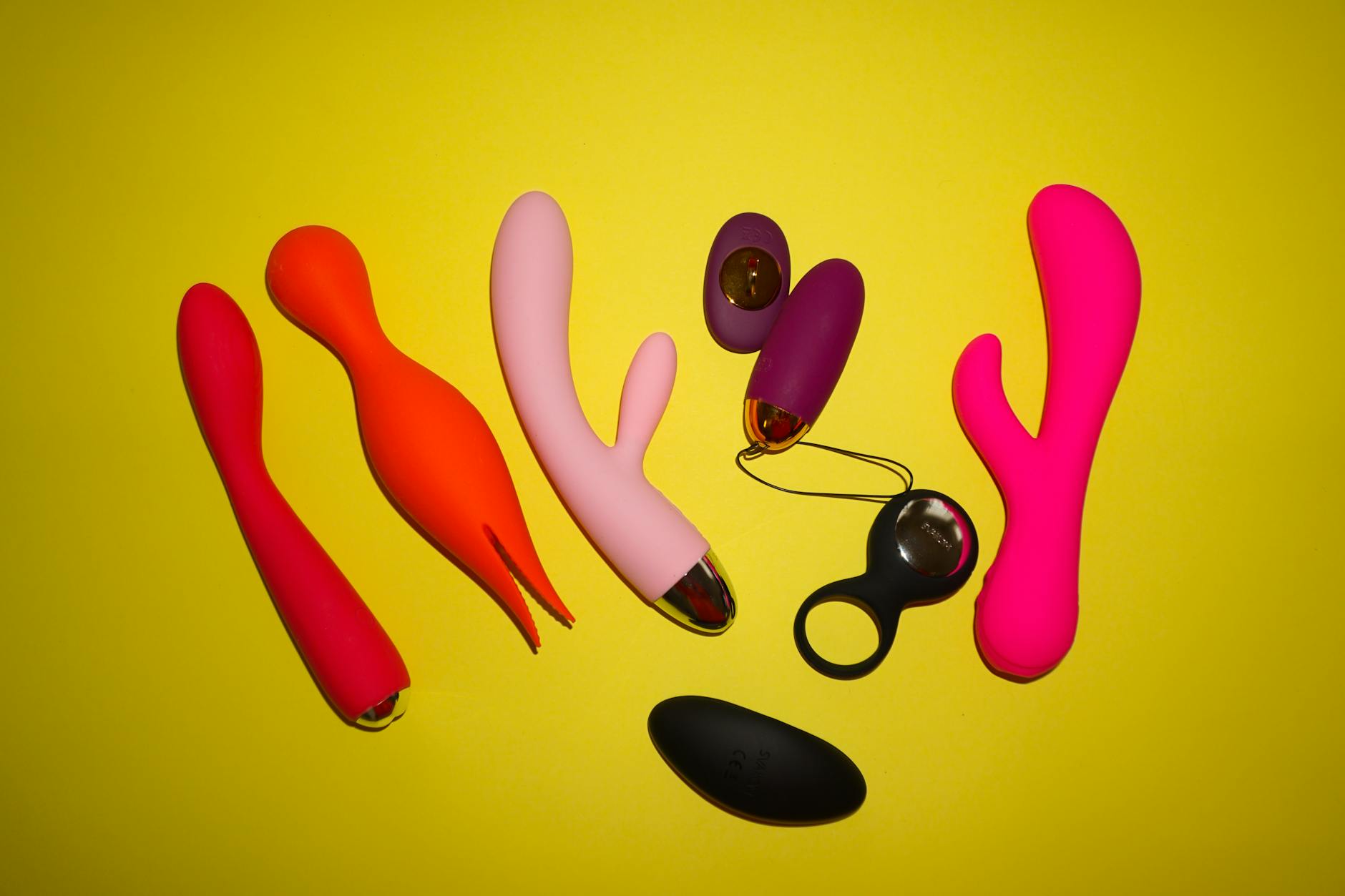
Here's the thing about clitoral vibrators
Not all stimulation feels the same, even when it gets the job done. A lemon vibrator that uses suction creates a completely different sensation than a traditional vibrating toy. Both can bring you to orgasm. Both have devoted followers. But they're working with your body in fundamentally different ways.
I've had clients tell me that switching from one to the other felt like discovering pleasure for the first time. Others tried suction and bounced straight back to vibration. The difference isn't about one being "better." It's about matching the technology to how your body actually responds.
What traditional vibration actually does
A traditional lemon clitoral vibrator works through oscillation. The motor pulses back and forth, typically between 1,000 and 10,000 times per second depending on the pattern and intensity. This rapid movement stimulates the nerve endings in your clitoris through direct, rhythmic friction.
Your clitoris has about 8,000 nerve endings concentrated in the glans, the small rounded tip you can see. When a vibrating toy contacts this area, it's triggering those nerves repeatedly and rapidly. The sensation builds quickly. Many people describe it as sharp, direct, and intense.
Traditional vibrators come in different shapes. Wand vibrators cover a broader area. Bullet vibrators are more concentrated. The pattern matters too. Most toys offer multiple settings: steady buzz, pulsing patterns, escalating rhythms. You're adjusting the frequency and pattern to find what feels right.
What suction-based lemon vibrators actually do
Suction toys, including Hello Nancy's Lemon clitoral vibrator, work on a completely different principle. Instead of vibrating, they use gentle air-pulse technology. The toy creates a seal around your clitoris, then rapidly pulses air in and out. This creates a sensation more like gentle sucking or subtle waves of pressure, rather than a buzzing vibration.
The technology mimics the sensation of oral sex more closely than vibration does. The pulses are gentler on tissue and don't rely on direct friction. Instead of stimulating through rapid movement, suction stimulates through rhythmic pressure and release. The sensation tends to feel more diffuse, less jarring, and for many people, deeper.
Why the difference matters for your body
Your nervous system responds differently to these two types of stimulation. Vibration is fast and localized. It can create intense, focused pleasure quickly. Suction is slower and more encompassing. It tends to build gradually and create a more spreading, rolling sensation.
If you have sensitive tissue, have experienced pain during sex, or have been using vibration for so long that you've built up some numbness, suction often feels like switching to a completely new experience. It's gentler on delicate tissue but often equally intense in terms of orgasmic response.
Your skin texture also plays a role. Tissue that's thinned (from age, hormonal changes, or other factors) sometimes finds traditional vibration uncomfortable or too direct. Suction avoids friction against sensitive areas while still delivering strong sensation.
How your arousal pattern changes things
Some bodies need that quick, sharp stimulation that vibration provides. If you build arousal slowly and need consistent, direct stimulation to reach the edge, a traditional vibrator often feels like the obvious choice.
Other bodies respond better to a building sensation that creates more full-body arousal. If you find yourself needing to "get in the mood" rather than going from zero to orgasm in two minutes, suction often does the work of foreplay built in. The sensation spreads instead of staying localized.
Neither is more "correct." It's genuinely about how your nervous system is wired. Some people are fast-twitch responders who love the directness of vibration. Others are slow-burn lovers who come alive with the patient, spreading feeling of suction.
The mixing and matching approach
Here's what I tell most clients: start with one, but don't assume it's the only option. If you've always used traditional vibrators and you're curious about suction, try it without expectations. Give it at least three sessions. Your body might need time to recognize what it's feeling.
Conversely, if suction feels like all you've tried and vibration seems too intense, that's real. Your body knows what it needs. But if you're open to experimenting, mixing them can create interesting sensations. Some people use suction to build arousal, then switch to vibration for the final push. Others do it in reverse.
The psychological element matters too. Novelty itself is arousing for many people. Switching toys keeps things fresh and can reignite interest if pleasure has become a bit routine.
Why Hello Nancy designed the Lemon with suction
I'll be direct: suction technology wasn't chosen arbitrarily. The Lemon clitoral vibrator was built with suction because clinical feedback showed it worked better for people who found traditional vibration either too intense or less effective over time. Numbness from heavy vibrator use is real. Migration to suction often reverses it.
The Lemon also pairs well with the clitoral vibrators in Hello Nancy's range. If you like traditional sensation, they have options. If you want to explore suction, you have a complete device designed around that principle.
Testing which one is actually for you
Before you invest in a new toy, be honest about what your current experience looks like. Do you reach orgasm easily with your current vibrator, or is it becoming harder? Do you find the sensation building naturally, or does it feel like you're working for it? Is there any discomfort or numbness?
If you're consistently having trouble reaching orgasm or the sensation is fading, it's probably not user error. It's likely that your nervous system has adapted to whatever stimulation you're used to. That's when trying the opposite technology often works wonders.
If you're happy with what you have, there's zero obligation to change. But if you're curious and willing to try something new for a few sessions, the experience of discovering a new sensation is genuinely valuable. Pleasure should evolve with you, not stay frozen in whatever worked at 25.
The practical setup for each style
Traditional vibrators usually work best with either no lubricant or just a tiny bit of water-based lube. Too much lube and the vibration gets muffled. You control the pressure directly with your hand.
Suction toys work better with a generous amount of lubricant. The seal needs to be maintained but not painfully tight. The Lemon works optimally when there's enough lube that the seal feels comfortable, not like you're creating a vacuum. Start with more than you think you need.
With vibration, you often control the sensation through pressure and angle. With suction, the seal and lubrication are what you're managing.
People also ask
Is suction better than vibration for everyone?
No. Some bodies respond better to vibration, especially if you naturally have faster arousal responses or sensitive tissue that vibration doesn't irritate. Suction is gentler and often better for building arousal slowly, but "better" is always personal.
Can you use a lemon suction vibrator if you've never used any toy before?
Absolutely. Starting with suction can actually be ideal if you're new to toys because it's less intense than many traditional vibrators. You're less likely to overwhelm your nervous system or desensitize yourself quickly. It's a thoughtful introduction to what pleasure technology can do.
How long does it take to feel the difference between suction and vibration?
You'll notice the sensation difference immediately. Whether you prefer it is another story. Give yourself at least three sessions with a new technology before deciding it's not for you. Your body often needs a bit of time to recognize a new type of stimulation as pleasurable.
Do you need lube with a lemon vibrator?
Yes, suction vibrators work best with generous water-based lubricant. It makes the seal comfortable and lets the technology work as designed. Vibration toys work fine with less or no lube, but most people find some makes it more comfortable.
What if suction feels weird or uncomfortable?
That's valid. Some people find the sensation strange or even uncomfortable at first. If it hurts or feels painful, try adding more lubricant and reducing the intensity. If it still doesn't feel good after a few tries, it's just not your thing. Not every technology works for every body.
Can you switch between suction and vibration toys regularly?
Completely. Many people use both depending on mood, energy, or what sensation they're craving that day. Some rotation between different stimulation types can actually keep pleasure responsive and your nervous system engaged. For more guidance on finding your ideal toy, read our complete lemon vibrator buying guide to explore all your options.
What this means for your pleasure going forward
The point isn't that you need to own both types of toys or constantly experiment. It's that your pleasure deserves to evolve. What felt amazing at 30 might feel different at 40. What was too intense three years ago might be perfect now.
Your body is listening. The technology you choose should be listening too. If what you have is working, keep using it. If something's shifted, you now know there's another completely different approach worth exploring.
The conversation between vibration and suction is really just a conversation about choice. About knowing what feels good, why it feels good, and being willing to adjust when things change. That's the whole foundation of sustainable pleasure.