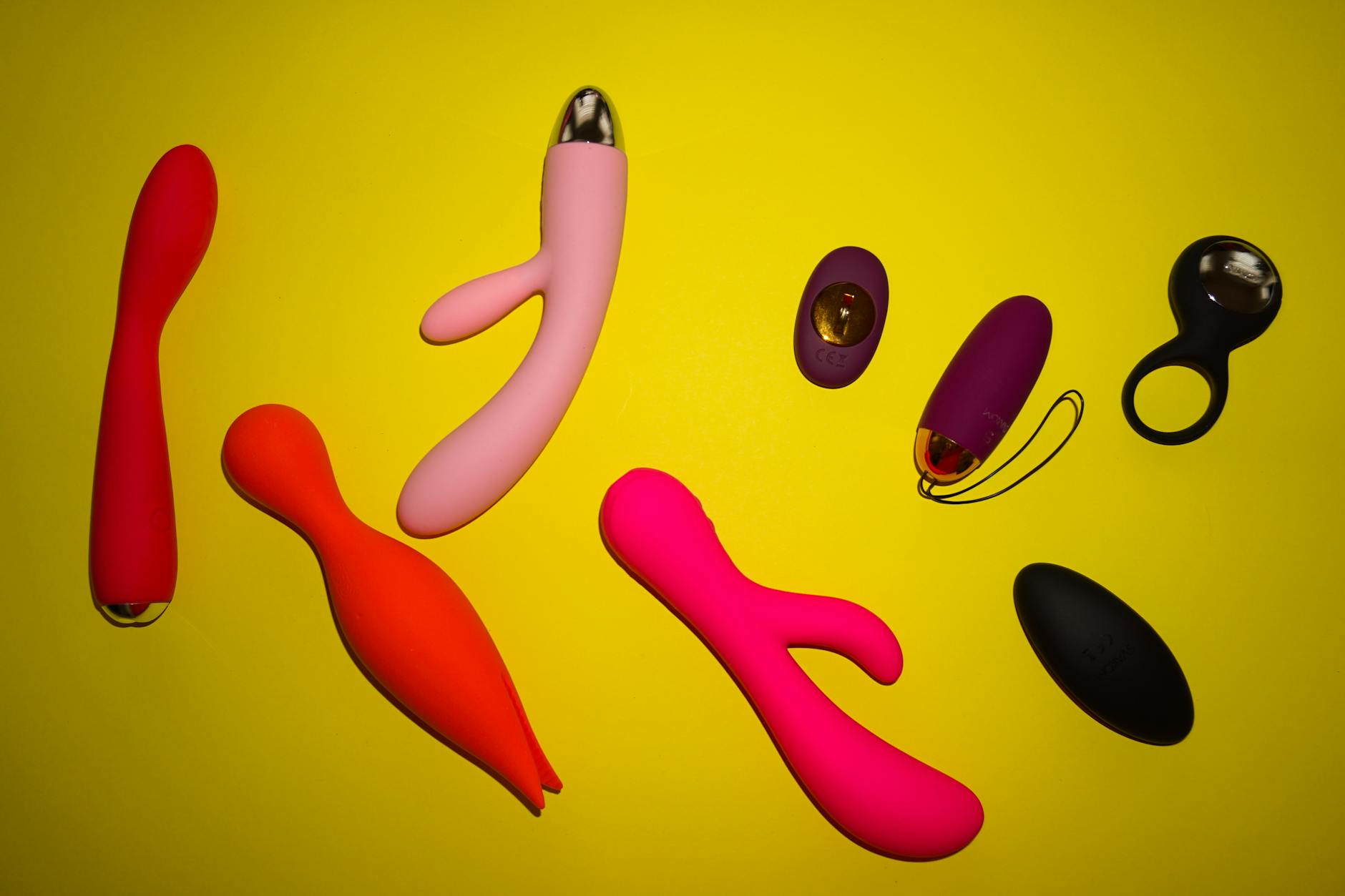
Here's the thing about imbalanced foreplay
One partner finishes and rolls over. The other is still waiting. This happens in so many relationships that it's almost background noise, but it's not nothing. Over time, imbalanced foreplay erodes connection because one person learns their pleasure doesn't matter as much, and the other feels guilty or frustrated.
The tricky part is that this isn't always about effort or care. Sometimes it's just anatomy, timing, or learned patterns that nobody chose consciously. But here's what I know from years of working with couples: a lemon clitoral vibrator can solve this faster than months of resentment will.
What makes foreplay feel one-sided
There are really three patterns I see most often.
Pattern 1: One body takes longer to respond. Clitoral stimulation often needs consistent, focused attention. If foreplay ends when penetration begins, clitoral pleasure gets cut short. This affects people with vulvas disproportionately, but it can also affect partners who need longer warm-up time regardless of their anatomy.
Pattern 2: There's no language for what actually feels good. When one partner doesn't know what they want, or doesn't feel safe asking, foreplay defaults to what's quickest or most familiar. This almost always favors whoever climaxes faster.
Pattern 3: One person worries about "taking too long". I hear this constantly. Someone thinks their body is the problem, so they stop asking for what they need. This isn't a sex problem. It's a communication problem wearing a sex suit.
A lemon vibrator addresses all three, because it removes the timing pressure and puts pleasure back where it belongs: in both partners' hands.
Why a lemon vibrator changes the dynamic
A lemon clitoral vibrator, like the air-suction style toys from Get Lem Toy, works differently from fingers or tongues. The consistent, focused stimulation means clitoral pleasure doesn't depend on your partner's stamina or attention span. That's not cold. That's actually liberating.
What happens next is almost predictable. When one partner isn't anxious about their body taking "too long," they relax. When they relax, sensation improves. When sensation improves, they're more present and vocal about what feels good. Suddenly both people are engaged instead of one person performing and one person receiving.
The partners I've worked with who introduced a lemon vibrator into foreplay reported something interesting: it made the whole experience less goal-oriented. Without the pressure to climax before someone loses interest, people actually linger in foreplay longer. They touch, kiss, and connect in ways that got skipped when everything was rushing toward the finish line.
How to introduce it without awkwardness
The conversation matters more than the toy.
This isn't "I need this because you're not good enough." It's "I want us both to feel fully satisfied, and I'm noticing that's not always happening right now. Can we try something that takes the pressure off?"
That reframes the toy from criticism to collaboration. You're on the same team trying to solve a shared problem, not one person complaining about the other.
If your partner feels hesitant about toys, start smaller. Show them the lemon clitoral vibrator before you try it. Let them hold it. Explain how it works. Many people have assumed vibrators are a replacement for them, when actually the opposite is true. A lemon sucker toy is a teammate during foreplay, not a substitute.
Practical ways to use it in foreplay
Here are the patterns that work best when foreplay has been unbalanced.
Use it while your partner is inside you. This is the classic application and honestly, it's revolutionary for many couples. One partner can focus on motion and connection while the other handles clitoral stimulation. Foreplay doesn't have to stop when penetration begins.
Introduce it early in your session. Instead of waiting until someone's impatient, bring the lemon vibrator out during kissing or touching. Let both people get used to having it in the equation from the start, not as a last resort.
Take turns using it on each other. If both partners have clitoral sensitivity, this can be genuinely fun and intimate. One person controls the toy while the other receives. Then switch. This builds actual reciprocity instead of assumed reciprocity.
Use it solo first. Before bringing it into partnered sex, spend time alone exploring what intensity and pattern feel best for you. This removes the performance pressure during the actual moment and means you can give your partner clear direction instead of them guessing.
Addressing the guilt that often comes up
One partner will probably feel guilty. "I'm taking too long." "I'm being selfish." "We shouldn't need a toy."
Here's what I tell people: your body isn't the problem. Imbalance in foreplay isn't a personal failure. It's a logistics problem, and logistics problems have tools.
Think about it practically. If one person in a household was always doing the dishes while the other never helped, would you tell them not to feel resentful? Would you suggest they just accept it? No. You'd get a dishwasher or make a schedule. Pleasure works the same way. You can address the logistical mismatch.
What changes when you rebalance foreplay
I've watched couples shift remarkably once foreplay stops being a performance. The person who was rushing feels less pressure. The person who felt neglected feels seen. And both people get to actually enjoy sex instead of managing anxiety about it.
A lemon clitoral vibrator is the tool that makes this possible because it's consistent, it's not tired, and it puts mutual pleasure back at the center instead of hoping one partner will magically have the stamina to sustain foreplay until everyone's satisfied.
FAQ
Why does foreplay feel one-sided in so many relationships?
Forplay reflects anatomy and biology. Clitoral orgasms often take longer to build than other stimulation, and if foreplay ends when that stimulus stops, one partner's pleasure gets cut short. But there's also a communication piece. Many people don't ask for what they need because they've learned that doing so feels selfish, so imbalance becomes the silent norm.
Can a lemon vibrator actually make foreplay more connected?
Absolutely. When one partner isn't anxious about "taking too long," they relax and actually enjoy the experience. When pleasure stops being goal-oriented and becomes mutual, couples often describe foreplay as more intimate and playful than before.
What if my partner thinks using a toy means I'm not satisfied with them?
This is a narrative worth addressing directly. A toy isn't a reflection on your partner's skill. It's a tool that removes timing pressure and lets both people stay present. You might say: "I want us both to feel amazing during foreplay. This helps that happen. It's not about you not being enough. It's about us both being fully satisfied."
How do I talk about foreplay imbalance without making my partner defensive?
Frame it as a shared problem, not their problem. "I've noticed foreplay sometimes ends before I'm fully satisfied, and I don't think that's what either of us wants. I'd like to try something that makes sure we both get what we need." This positions you as teammates solving something together, not as one person criticizing the other.
Does using a lemon clitoral vibrator change how sex feels physically?
It can actually improve sensation because there's no rushing. When your nervous system isn't activated by anxiety or pressure, you feel more. Partners often report that adding a lemon vibrator to foreplay makes the whole experience more intense and pleasurable, not less.
What if one partner wants to use a toy and the other doesn't?
Start with education instead of pressure. Show your partner how it works, talk about why you're interested, and give them time to sit with the idea. Sometimes hesitation fades once someone understands that the toy isn't threatening. If it doesn't fade, you might explore what the actual concern is. Is it about feeling replaced? About embarrassment? Once you know the real resistance, you can address it directly. If one partner remains uncomfortable, respect that boundary and explore other ways to rebalance foreplay.
Can a lemon sucker toy work for all body types?
Yes, though what feels best varies. Some people prefer gentler stimulation, others prefer more intensity. A lemon clitoral vibrator from Get Lem Toy offers multiple settings so both partners can find what works. The key is experimenting together without judgment or pressure.
Moving forward
Imbalanced foreplay isn't about love or effort. It's about logistics meeting anatomy. A lemon clitoral vibrator is one way to rebalance it, but the real work is the conversation. When you talk openly about what you both need from foreplay, and you commit to making sure both people finish satisfied, the toy becomes almost secondary. It's just the visible proof that you're both willing to show up for each other's pleasure. That's the part that actually changes relationships.
If you're ready to explore this, get in touch and let's talk about what might work best for your situation.