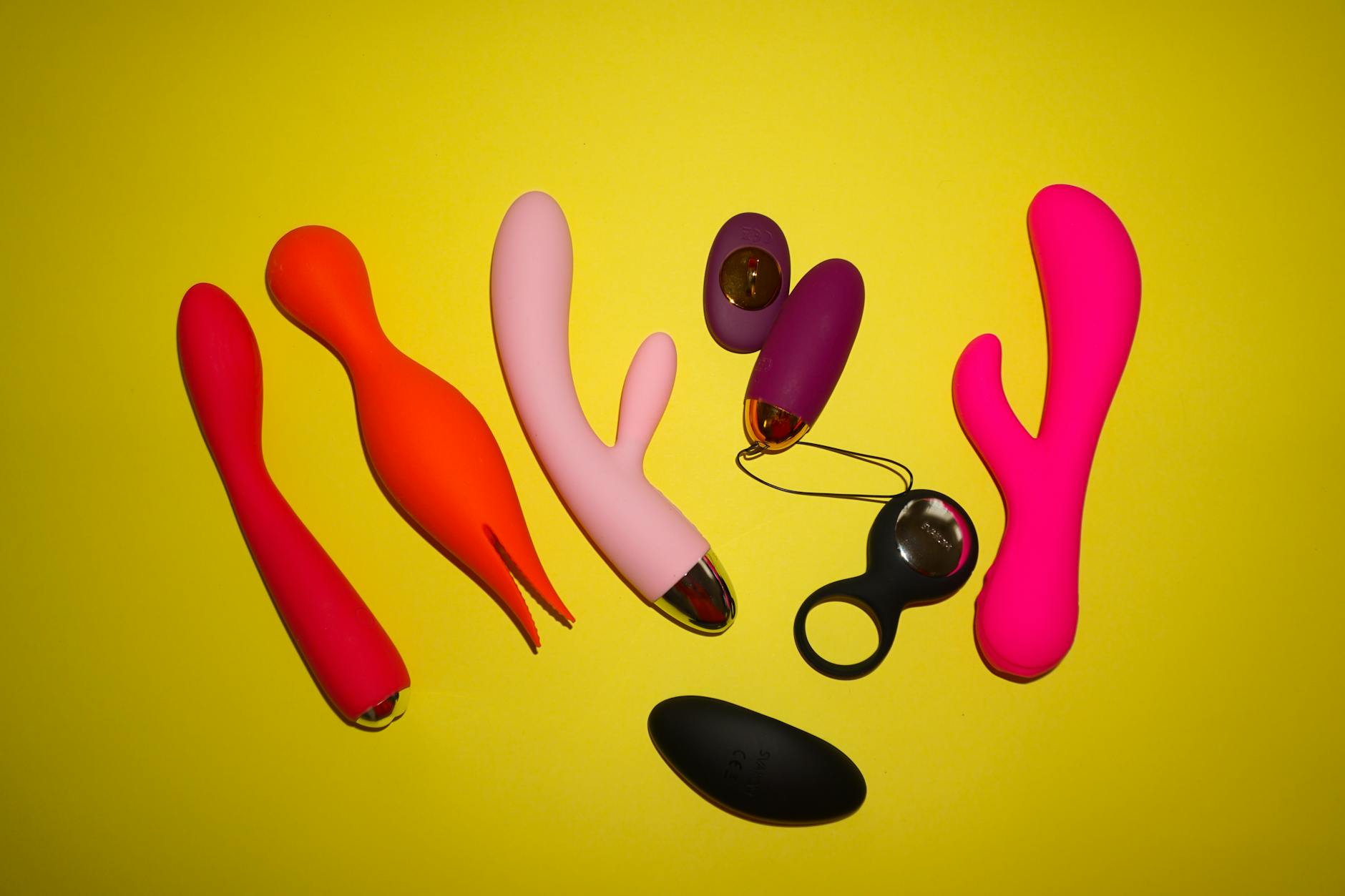
After years of being coupled, solo pleasure can feel genuinely weird. Not bad weird. Just... unfamiliar. You've spent so long reading a partner's cues, timing things around their rhythm, and calibrating your own responses to someone else's presence that the silence of solo time can feel disorienting at first.
That's completely normal. And honestly, it's also an opportunity to rebuild something that matters: a direct relationship with your own pleasure, without an audience or an agenda.
A lemon clitoral vibrator like the Lem is less about performance and more about exploration. Unlike partner-focused dynamics, solo play with a tool like this becomes genuinely selfish in the best way. There's no one to rush through the quiet parts. No one interpreting your stillness as disinterest. Just you, time, and the space to actually notice what feels good.
The suction design matters here too. After years of partnership, your nervous system may have learned to stay slightly braced, alert to a partner's movements or needs. Suction stimulation offers something different from penetrative or vibrational touch. It wakes up your clitoris without requiring you to perform responsiveness. You can simply receive.
Before you even touch a lemon vibrator, permission matters more than technique. For years, your body may have learned that pleasure is collaborative. That orgasms are something that happens with someone, not something you deserve solo. This belief runs deeper than you might think, especially if you were coupled for a decade or more.
Start with this: your pleasure is not selfish. Your desire matters even when you're alone. Solo play is not a consolation prize while you're between partners. It's a legitimate form of sexual expression that teaches you what you actually want when the stakes feel lower.
Many people find solo play feels less performative than partnered sex. You're not managing anyone's ego, reassuring anyone about your responsiveness, or timing anything around someone else's needs. It's just sensation and whatever your body does with it.
First: low expectations are your friend here. You might not orgasm the first time. You might feel awkward. Both are fine. You're rewiring something, not failing at it.
Start with the basics. Set aside 20 to 30 minutes when you won't be interrupted. Not because it has to take that long, but because rushing defeats the purpose. Your nervous system needs to understand that this time is actually yours.
Begin without the vibrator. Spend five to ten minutes just touching your own body in ways that feel good. Not goal-oriented touching. Curious touching. Notice what your skin responds to. Where does it feel good to be stroked? Does pressure feel better than lightness? Does rhythm matter?
Then introduce the lemon vibrator on the lowest setting. The suction design means you don't need intense vibration to feel something. Start at the edges of your clitoris, not directly on it. Many people after a long partnership find that direct stimulation feels too intense or even uncomfortable at first. The surrounding tissue is often just as sensitive and less overwhelming.
Let yourself explore without a goal. If you want to stop, stop. If you want to stay with one sensation for five minutes, do that. If you want to experiment with different patterns, the Lem offers multiple settings. This is the whole point of solo play: you get to decide.
After years of coupled sex, your body may have learned to rush toward orgasm. Partnership often reinforces this pattern. When you're thinking about another person's comfort, experience, or timing, rushing toward climax can feel efficient. Solo play breaks that pattern.
You might find that without an external pressure to perform or finish, your arousal actually builds differently. Slower. Deeper. Your body might remember sensations you haven't accessed in years. Some people describe it as reconnecting with a version of themselves that existed before the relationship.
This is also why patience matters. Your nervous system needs time to trust that this pleasure is actually for you. If you've spent years calibrating sexuality around partnership, reorienting toward pure self-pleasure can take several sessions.
Feeling guilty? That's the echo of years spent in shared space. Solo pleasure was often framed as a consolation prize or something to feel shy about. Reframe it: this is you learning yourself. This is you maintaining your own sexuality independent of another person's validation.
Feeling awkward or disconnected from your body? That's also normal after partnership. For years, you may have related to your body through someone else's reaction to it. Solo play asks you to relate to yourself directly. This takes practice. Try breathing slowly and focusing on physical sensations rather than whether you're "doing it right."
Feeling like orgasm isn't happening? Don't chase it. With a lemon clitoral vibrator, many people find that removing the goal entirely makes sensation richer. You might reach orgasm. You might reach a state of really pleasurable stimulation that stops short of climax. Both matter. Both count.
Feeling like you're comparing this to partnership? That comparison is almost inevitable, and it's unhelpful. Solo play and partnered sex are different experiences. Neither is better. Solo play just offers something partnership can't: complete control, zero audience, and the chance to know your own body as fully as someone else might.
Once you've had a few sessions with a lemon vibrator, consider making solo play part of your regular rhythm. Not because you're supposed to. Because you get to.
Some people find weekly sessions helpful. Others prefer a few times a month. There's no right frequency. The point is consistency enough that your nervous system begins to trust that this time is real and recurring.
Many find that regular solo play actually improves partnered sex later, if partnership returns. When you know your own body well, you can communicate more clearly what you want. You're less likely to defer to a partner's preferences as the default. You show up more authentically.
For now, the gift is simpler: getting to know yourself again. A lemon vibrator makes that process less awkward and significantly more pleasurable.
Completely. You've trained your body to relate to sexuality through another person for years. Shifting to solo pleasure feels strange at first, but that strangeness fades quickly once you give yourself permission. Most people report feeling far more comfortable by the third or fourth session.
There's no minimum or maximum. Some people need 20 minutes to settle into it. Others reach a good place in five. The most important thing is removing any time pressure. Give yourself permission to stop whenever you want and continue whenever you want. Let your body set the pace.
Not if you think about them as different experiences. A vibrator offers consistent, precise stimulation that a partner usually can't. Partnership offers presence, connection, and mutual pleasure. Neither replaces the other. Many people find that solo play with a vibrator actually makes them feel more confident and communicative with partners.
Orgasm is one possible outcome, not the only one. Many people find deep pleasure, relaxation, or sensation without reaching climax, especially early on. If you're consistently not reaching orgasm after several sessions and that matters to you, consider talking with a therapist who specializes in sexuality. Sometimes the block is physical, sometimes it's mental, and both are addressable.
Whatever feels sustainable and good. Some people feel more connected to their bodies with regular practice. Others prefer spontaneity. There's no moral dimension to either choice. The question is just what serves your wellbeing.
If you're just starting solo play, a lemon clitoral vibrator is genuinely beginner-friendly. The suction design feels less intense than traditional vibration, and the variety of patterns means you can start gentle and experiment slowly. Most people find something works within the first few tries.
Rediscovering solo pleasure after a long relationship isn't about filling a gap while you're single. It's about maintaining your own sexuality as a standalone part of your identity. You deserve pleasure that exists for no one but you. A lemon vibrator just makes that rediscovery less complicated and significantly more enjoyable.
If you'd like to talk through your specific situation or have questions about what might work best for you, reach out to us. We're here to help.