Let's talk about what's actually happening
Vaginal atrophy (now called genitourinary syndrome of menopause, or GSM) is tissue thinning caused by low estrogen. The vaginal walls lose elasticity, lubrication decreases, and the tissue becomes more fragile. This is a real physiological change. It's also completely treatable, and it absolutely does not mean your pleasure receptors have disappeared.
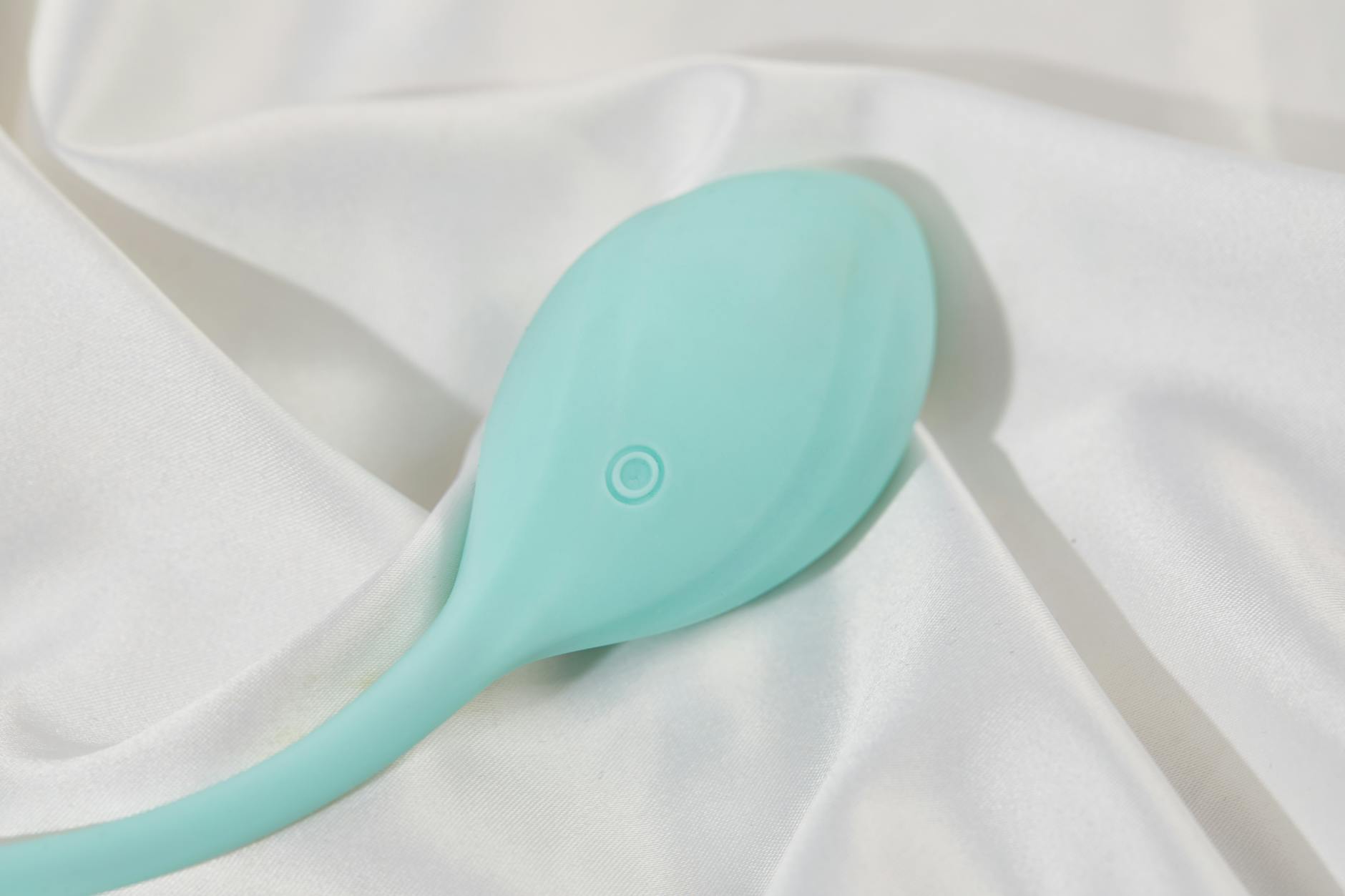
Here's the distinction that matters: vaginal atrophy affects the internal vaginal tissue. Your clitoris, however, is a different structure with its own nerve supply and its own blood flow. The clitoral tissue remains responsive. A lemon vibrator works on the clitoris using suction, not friction or direct pressure on fragile internal tissue. This is why lemon clitoral vibrators are often easier and safer during recovery than other toys or manual stimulation.
Why suction changes the game during recovery
Traditional vibrators rely on oscillation. Air-suction toys like the Lem work through gentle pneumatic pressure that stimulates the clitoral nerves without requiring direct contact with sensitive surrounding tissue. When your vaginal walls are thinning, this matters enormously.
During recovery from atrophy, the tissue around your clitoris might also feel irritated or tender. Suction allows you to focus stimulation precisely on the clitoral head without mechanical friction on the delicate surrounding area. The sensation is often described as a gentle pulling or pulsing rather than a buzzing vibration. Many people find this more comfortable and actually more effective.
The additional benefit: suction increases blood flow to the area. Better circulation means faster nerve sensitivity recovery and faster tissue healing. You're not just having pleasure. You're facilitating physical recovery at the same time.
Before you start: three medical conversations
If you're dealing with vaginal atrophy, you need a baseline from your healthcare provider. This isn't optional. Ask your doctor or gynaecologist three specific things.
First: "Is my tissue healed enough to resume pleasure activities?" Some types of atrophy come with micro-tears or significant inflammation. Your provider needs to clear you. This usually takes four to eight weeks of treatment (often topical estrogen), but it varies.
Second: "Should I use topical estrogen before or during pleasure activities?" Many providers recommend applying it 30 to 60 minutes before, which creates a protective barrier and additional lubrication. Some suggest a different timing. Get your specific protocol.
Third: "What lubricant do you recommend?" Water-based is standard, but some people need hyaluronic acid-based lubes (which mimic the body's own lubrication) or prescription vaginal moisturizers. Your provider might have a specific preference based on your situation.
The physical setup that actually works
Once you're cleared, here's the exact approach.
Start with generous lubrication. Use a water-based lube or whatever your provider recommended. More is genuinely better here. The goal is to create a comfortable buffer between your skin and the toy. Apply it to both the toy and your external area, then reapply midway through if needed.
Begin with the lowest suction setting on your lemon vibrator. The Lem has multiple intensity levels. Start at level one or two. Your tissue is healing, and you're rebuilding nerve sensitivity. Lower intensity means you'll actually feel more nuance in sensation rather than being overwhelmed.
Focus on the clitoral head directly. Position the toy so the opening sits flush against your clitoris (not the surrounding tissue). This is the whole point of suction design. You're isolating the stimulation to the most resilient, most responsive part of your external anatomy.
Session length: start with three to five minutes. Recovery means rebuilding your body's confidence in pleasure. Short, consistent sessions are better than longer ones while you're healing. You can gradually extend duration as weeks pass.
What's happening inside your brain during this process
There's a neurological component to atrophy recovery that nobody talks about. When you've been experiencing pain or discomfort, your nervous system learns to anticipate it. You tense up. You hold your breath. You become guarded.
Using a lemon clitoral vibrator safely during recovery is literally retraining your nervous system. You're creating a new pattern: stimulation leads to pleasure, not pain. Your brain needs multiple repetitions to update this file.
This is why consistency matters more than intensity. Using your vibrator twice a week for five minutes creates faster nervous system change than one aggressive session. You're building a new neural pathway through repetition, not through force.
When to increase intensity and duration
After two to three weeks of consistent low-intensity sessions, pay attention to your body's signal. Are you staying aroused throughout the session? Does your tissue feel less irritated afterward? Are you experiencing orgasm or getting closer?
If yes to all three, you can increase by one intensity level. Stay there for another two to three weeks. This gradual progression respects the pace of your tissue healing while training your nervous system.
If you're experiencing any pain, irritation, or increased dryness after sessions, stay at your current level or dial back. Your provider might need to adjust your topical treatment. Talk to them before progressing.
The lubrication strategy that changes everything
Water-based lube dries out during longer sessions. This is normal and manageable. Keep your lube bottle within arm's reach. Reapply generously every three to five minutes. It's not failure. It's intelligence.
Silicone-based lubes stay slippery longer, but they damage silicone toys. If your lemon vibrator is silicone, stick with water-based. If you ever switch to a non-silicone toy, silicone lube becomes an option for extended sessions.
Hyaluronic acid lubes are worth trying. They mimic your body's own lubrication more closely and tend to feel less sticky than standard water-based options. They're also compatible with silicone toys. Many people with atrophy-related dryness find them genuinely more comfortable.
Solo recovery versus partnered recovery
If you're exploring pleasure alone during recovery, you control pace entirely. This is often the fastest way to rebuild confidence and sensation. There's no pressure, no performance expectation, no need to communicate about discomfort while staying aroused.
If you're recovering with a partner, the conversation changes slightly. <a href="/blog/how-to-use-lemon-vibrator-when-partner-wants-it-but-you-feel-unsure">How to Use a Lemon Vibrator When Your Partner Wants It But You Feel Unsure</a> covers this dynamic in detail, but the core principle is the same: your partner's role during recovery is support and presence, not pressure toward specific outcomes.
Many couples find that using a lemon clitoral vibrator together actually speeds emotional reconnection. The external focus (the toy) removes the pressure from penetrative sex. You're both oriented toward pleasure rather than performance. This shift often rebuilds intimacy faster than trying to push through discomfort.
What actually speeds up tissue recovery
The vibrator is one tool, not the only one. Three things genuinely accelerate healing.
First: topical estrogen. If your provider prescribed it, use it consistently, not just before sex. Daily application (evening is standard) rebuilds tissue thickness faster than sporadic use. Results appear in four to eight weeks.
Second: pelvic floor physical therapy. If you can access a pelvic floor PT, do it. They can identify tension patterns you're not aware of and teach you to relax the pelvic floor fully. Tension keeps tissue tight and sensation muted. Releasing it allows both pleasure and healing.
Third: consistent, low-pressure pleasure. Your body heals faster when it's experiencing positive sensation regularly. The nervous system signals: this area is safe, this area deserves blood flow and attention. Your immune and vascular systems respond to this signal.
The lemon vibrator is part of this cascade. It's not a magic fix. It's one component of a recovery strategy that also includes medical treatment, physical therapy, and permission to explore pleasure without shame.
The timeline you can actually expect
Most people experience noticeable improvement in sensation and comfort within four to six weeks of consistent use (assuming they're also using topical treatment). By eight to twelve weeks, many report that pleasure feels close to their previous baseline, though the sensation quality might be different.
Different doesn't mean worse. Many people report that their orgasms post-recovery feel more concentrated or more intense than before. The clitoral nerve is exquisitely sensitive when tissue has been deprived and then revived. You're not returning to your old normal. You're discovering a new one.
Be patient with your timeline. Tissue regeneration happens at a biological pace that respects the calendar. Rushing doesn't speed it up. Consistency does.
Questions people actually ask
Can I use a lemon vibrator while still experiencing pain during sex? Not recommended. Pain signals that tissue isn't ready. Wait until your provider clears you or pain resolves with topical treatment. Using a vibrator while actively painful can create negative associations with pleasure. Recovery requires safety first.
Does using a vibrator during recovery replace topical estrogen treatment? No. They work on different levels. Topical estrogen rebuilds tissue. A vibrator stimulates nerves and increases blood flow. Both are necessary for full recovery. The vibrator is a complement, not a substitute.
How do I know if I'm overdoing it? Your body will tell you. Increased irritation, rawness, or dryness after sessions means you've gone too far. Dial back intensity or duration. If irritation persists, contact your provider.
Is it normal for sensation to feel numb at first? Completely normal. Atrophied tissue has reduced nerve sensitivity. You're rebuilding this gradually. It takes time. Weeks in, you'll feel distinct shifts in sensation intensity.
Can my partner use a lemon vibrator on me during recovery? Yes, with the same protocols: low intensity, generous lube, short sessions. The benefit of a partner is external support and removing performance pressure. The recovery timeline remains the same.
What if orgasm doesn't happen in the first few sessions? Organ during recovery isn't the goal. Sensation and arousal are. Orgasm often returns once tissue is further along in healing. Focus on pleasure and comfort, not outcome.
The bigger picture
Vaginal atrophy is common, temporary, and treatable. It's not a permanent loss of pleasure. It's a transition that requires patience, the right tools, and honest communication with your body.
A lemon clitoral vibrator is specifically designed for this moment: safe stimulation that doesn't require the comfort level that internal penetration might demand. You're not settling. You're being strategic about what your body needs right now.
Recovery is faster when you combine medical treatment, physical awareness, and permission to explore pleasure without guilt. All three matter. The vibrator is the third piece.