Let's start with what's actually happening
You've been together five years, ten years, sometimes longer. The sex was good once. Now it's... infrequent. When it happens, it feels obligatory. Neither of you is angry—you're just not touching much anymore. The emotional distance is the real problem, but the physical disconnect feels like the symptom you can't ignore.
Here's the thing nobody tells you: desire in long-term relationships doesn't die because you stop loving someone. It dies because you've stopped paying attention to your own body's capacity for pleasure. And once you've deprioritized that—for months, sometimes years—restarting it alone feels as awkward as starting with a stranger.
Why desire fades differently than you think
Most couples assume low desire means their partner is less attracted to them. That's rarely true. What's actually happened is that both of you have gradually tuned out the erotic signals you used to send each other. Work stress, kids, scrolling, routine—these are the real culprits. Your nervous system has adapted to a lower baseline of physical intimacy.
The brain learns. If you stop initiating, your partner stops reading your body for interest cues. If you stop touching outside the bedroom, touching inside it feels clinical. If you've spent six months saying "I'm too tired," your partner stops asking. None of this happens consciously, and it's completely reversible.
But here's the tricky part: you can't reconnect with your partner until you've reconnected with yourself. That's where a tool like a lemon clitoral vibrator comes in. It's not about fantasy or escape—it's about rebuilding the neural pathways between arousal, pleasure, and your own body.
The solo step nobody wants to talk about
If desire has been low in your relationship, touching yourself might feel loaded with guilt (why am I doing this instead of with them?) or shame (I haven't done this in so long I don't remember how). Both are normal and both are fixable.
Start solo. Use a lemon vibrator on a night when your partner isn't home, or early in the morning. The goal is not orgasm—though that may happen. The goal is reconnection. You're telling your nervous system: pleasure is available. Your body still works this way. You're allowed to feel good.
A lemon clitoral vibrator is ideal for this because it doesn't require much technique. The suction-based stimulation (versus traditional vibration) is gentler on tissue that's been neglected, and it requires less mental performance anxiety. You can start on the lowest setting and just explore what feels good without the pressure of someone else's timeline.
Budget 20-30 minutes. Don't aim for anything. If you reach orgasm, great. If you reach relaxation or curiosity or just "my body is alive," that's the win.
Using a lemon vibrator to signal readiness
Once you've done the solo work (at least 2-3 times), your nervous system has begun the transition. You feel different. Your partner may notice without knowing why—better eye contact, more physical affection outside sex, a different energy.
Now comes the conversation nobody likes having. You don't say "I've been using a toy." You say something simpler: "I miss us. I want to reconnect. I'm thinking about that tonight." Concrete. Vulnerable. No excuses.
When you do reconnect, having a lemon vibrator on the nightstand changes the dynamic. It's not a replacement for partnered sex—it's a communication tool. It says: I'm taking this seriously. I'm present. I want to feel good, and I want you to help me get there.
Some couples use it together: your partner holds it while you give feedback on pressure and pattern. Other couples use it solo during partnered sex, which can feel less intimidating than asking your partner to do something they've never done. The key is that it's not a secret. It's on the table, literally.

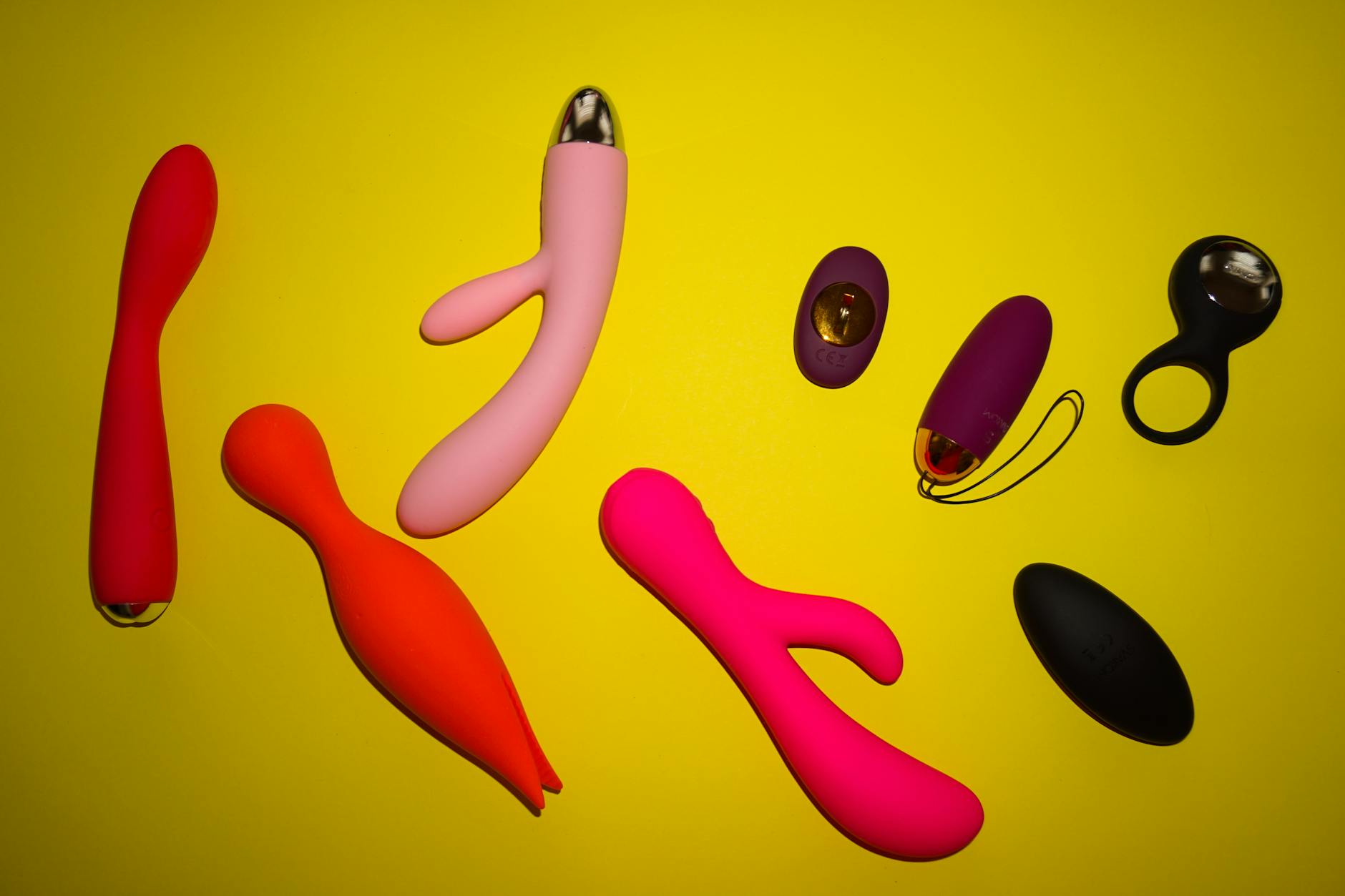
Photo by FounderTips on Pexels
What happens when arousal takes longer to build
After a long period of sexual inactivity, your body doesn't fire up on the old timeline. That's not dysfunction—it's normal. Your pelvis may have less blood flow to the genitals than it did when you were having sex regularly. Your brain may have habituated to nonsexual touch from your partner.
This is where patience matters. With a lemon vibrator, start at pattern 1 or 2 and let arousal build slowly. Foreplay with your partner shouldn't be "let's have sex in ten minutes." It should be 30-45 minutes of touching, talking, rebuilding the vocabulary of desire between you.
If you're using a vibrator during partnered sex, talk about what patterns feel good. Let your partner see which settings and intensities work. This transforms the toy from "something you do alone" into "something we communicate through."
Addressing the shame piece
Many people feel embarrassed bringing up desire after it's been absent for a while. You may worry your partner will feel criticized ("Are you saying I'm boring?") or hurt ("You're checking out of our relationship"). Those are valid fears, but they're also why the conversation needs to happen outside the bedroom first.
Schedule a talk. Not during or right before sex. Over coffee, or a walk. Say: "I've noticed we've drifted physically. That's on me as much as you. I want us to rebuild that, and I'm going to need some grace and patience while I remember how to be present in that way."
Then follow through. Solo play with a lemon vibrator is part of your grace. So is actually initiating touch with your partner. So is turning your phone off during foreplay. These aren't huge gestures, but they're concrete proof that you mean it.
When desire returns unevenly
Here's what often happens: one partner gets excited about reconnecting. The other is slower to thaw. This is normal, especially if the lower-desire partner has spent months or years protecting themselves from rejection by not initiating.
Don't rush this. If your partner is hesitant about using a lemon vibrator together, try partnered play first—hands, mouths, time—before adding tools. The tool should feel like an enhancement, not a pressure. If your partner is enthusiastic and you're slower, be honest: "I want to move toward this. I'm just getting comfortable first." Using a vibrator solo while your partner is present but not directly involved can be a middle ground.
Timing also matters. Try initiating sex at a time when you're both least stressed. Weekend mornings often work better than 11 p.m. on a Wednesday when you're both fried.
Practical setup for couples rebuilding
Buy a toy that works for you solo first. A lemon clitoral vibrator is perfect for this—intuitive, not intimidating, quieter than many alternatives. Once you know what you like, the conversation with your partner becomes easier because you're not discovering your own preferences together.
Keep it accessible. Not hidden in shame, not left out on the nightstand in a way that feels aggressive. A bedside drawer works. Some couples keep it in plain sight because at that point, why hide it?
Start without it. Have sex with your partner without the vibrator, but with the knowledge that it exists and you've been using it solo. This often gives your partner permission to feel more confident. They're not competing with the toy—they're participating in your return to pleasure.
When you do bring it into partnered play, your partner should never feel obligated to use it or touch it. Some couples prefer one person holds it while the other receives. Some prefer alternating. Some prefer solo use during mutual touching. There's no right way—only what works for you both.
The emotional work that matters most
The lemon vibrator isn't magic. It's a tool. The real work is creating safety between you and your partner. That means:
Showing up without resentment about the time you've lost. You've drifted, and that's normal in long-term relationships. Blaming each other wastes energy.
Speaking specifically. "I miss feeling desired" is better than "You never touch me." "I want to reconnect physically" is better than "Our sex life sucks."
Moving slowly. Desire takes time to rebuild, especially if there's been a long absence. Two months of consistent effort to reconnect will shift things more than one frantic weekend of trying.
Asking for feedback. When your partner touches you, tell them what feels good. When you use a vibrator, narrate it: "This intensity feels amazing," or "A little slower would be better." Your partner isn't a mind reader.
When to consider talking to a professional
If you've been disconnected for more than a year and initiating solo play or conversations with your partner feels impossible, couple's therapy is worth considering. A therapist trained in sex-positive work can help you navigate this without shame and with actual expertise.
If the disconnect is tied to unresolved conflict (infidelity, major betrayal, ongoing resentment), no vibrator will fix that. The underlying relationship needs attention first.
If one partner has completely lost desire and you've ruled out medical factors, a therapist can help you both figure out what that means and whether you want to stay in the relationship.
Rebuilding desire is possible
Long-term couples go through seasons. Some involve high sexual connection, others involve dormancy. The couples who successfully navigate the dormant periods are the ones who decide to wake back up—not by forcing it, but by being intentional about reconnection.
A lemon vibrator can be part of that intention. It's a signal to yourself and your partner that pleasure matters. That your body matters. That being touched and touching your partner is worth the effort to rebuild.
Start solo. Move slowly. Talk openly. Then see what comes back.
People also ask
How long does it take for desire to return after a long period without sex?
Desire typically begins to shift within 2-4 weeks of consistent solo exploration and partnered touch, though full reconnection often takes 8-12 weeks. Every person is different. Some couples find their groove in a few weeks. Others need longer, especially if there's underlying relationship tension. The key is consistency—regular touch, regular conversation, regular intention—not intensity. One passionate weekend won't restart a dormant system.
Should I use a lemon vibrator alone before using it with my partner?
Yes. Solo use first allows you to rebuild your own pleasure baseline without performance pressure. You'll know what settings and patterns work for you, which makes it easier to communicate with your partner. It also removes the vulnerability of discovering what you like in front of someone else. Start solo, then bring it into partnered play when you feel confident.
What if my partner is uncomfortable with me using a vibrator?
Have a conversation outside the bedroom. Ask specifically what makes them uncomfortable. Is it competition anxiety? Guilt about not satisfying you? Religious or cultural beliefs? Once you understand, you can address the real concern. Some partners feel better once they realize the vibrator isn't replacing them—it's complementing the connection. Others need time and reassurance. Be patient, but also be clear that your pleasure matters.
Can using a lemon vibrator solo hurt my ability to orgasm with my partner?
No. In fact, it often helps. When you know what kind of stimulation works for you, you can communicate that to your partner. Vibrators and hands work differently—both are valuable. Some people find they orgasm more easily with a vibrator, others with a partner, and most enjoy both depending on context. Using one alone doesn't diminish partnered sex, it clarifies it.
Is it normal to feel awkward the first time we use a vibrator together?
Completely. Awkwardness often means you're trying something new and real. Let yourself be awkward. Laugh if something feels strange. Talk about what you're experiencing. The couples who successfully integrate vibrators into partnered sex are the ones who don't treat it like a performance—they treat it like play. Give yourself permission to feel weird at first.
How do I bring up desire issues without my partner feeling blamed?
Frame it as a "we" problem, not a "you" problem. "I've noticed we've drifted physically and I miss that. I want us to rebuild this together" is very different from "You never initiate." Take responsibility for your part—your stress, your inattention, your own disconnection from your body—and then ask for partnership in reconnecting. Most partners respond better when they feel like teammates, not defendants.
Moving forward
Desire in long-term relationships isn't static. It rises and falls based on stress, life stage, emotional safety, and how much intentional effort both partners invest. The fact that you're thinking about rebuilding it means you already care. A lemon vibrator is just a tool to make that rebuilding feel less awkward and more pleasurable.
The real work is showing up—with yourself first, then with your partner. Everything else follows from that.
Ready to start? Your first step is solo exploration. Give yourself permission to reconnect with your body on your own terms. Then bring that aliveness back to your relationship.
If you have questions about how to begin this journey, or if relationship patterns feel too entrenched to navigate alone, reach out to Hello Nancy. We're here to help.