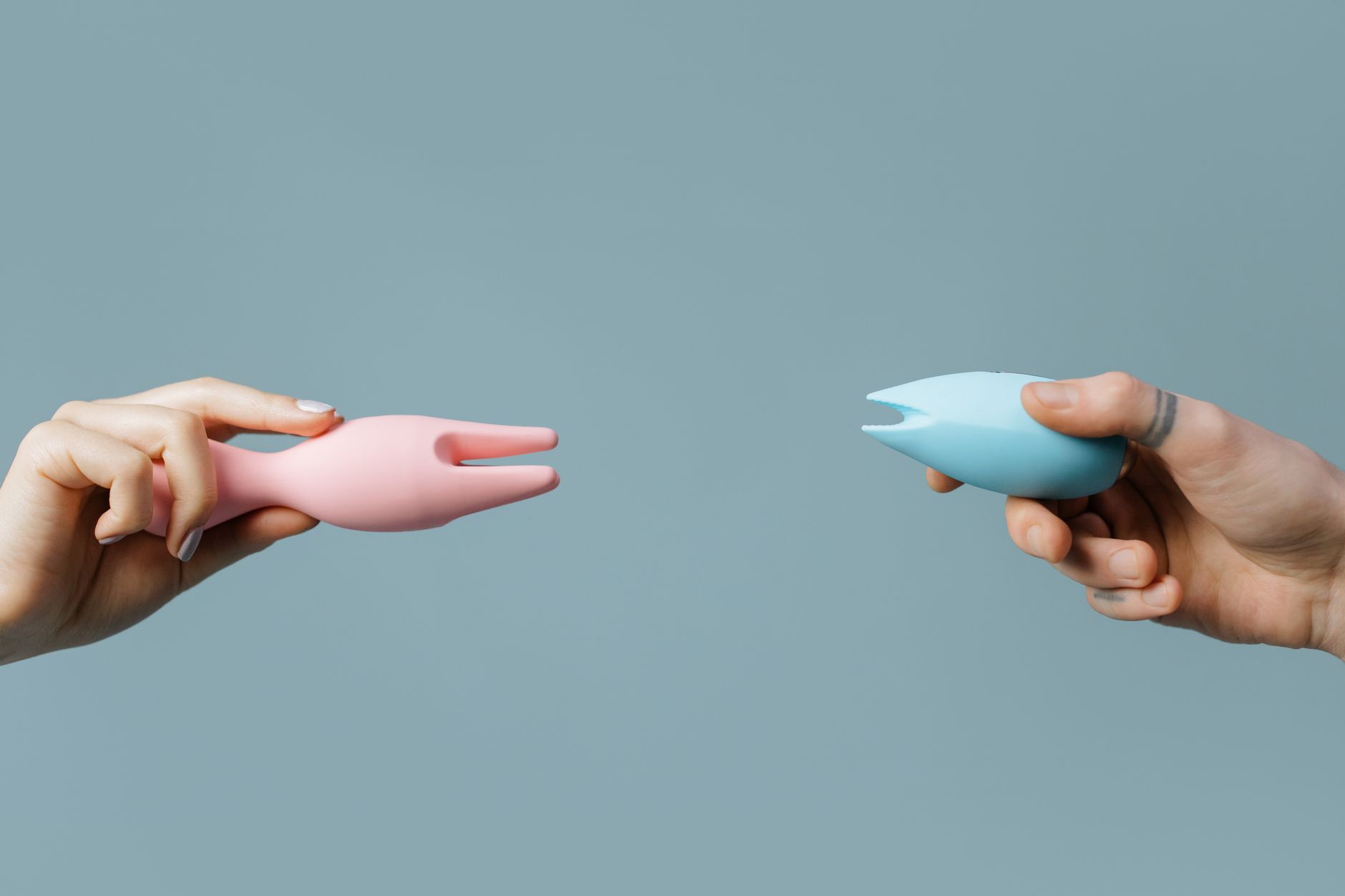
Let's talk about what nobody tells you
Postpartum bodies feel like someone else's. That's not dramatic, and you're not alone. Your clitoris might feel numb or weirdly sensitive. Your pelvic floor might clench involuntarily. The whole area down there might feel bruised, stretched, or just... absent from your awareness.
Meanwhile, everyone keeps asking if you're "ready" for sex again. Six weeks, the doctor says. But six weeks postpartum doesn't mean six weeks until your body works the way it used to.
Here's the truth: postpartum sensation changes are real, widespread, and absolutely reversible. And lemon clitoral vibrators like the Lem can be a bridge back to pleasure when you're ready to cross it.
What actually happens to sensation after birth
Delivery rewires things temporarily. If you had a vaginal birth, perineal trauma (tearing, episiotomy, or just intense stretching) changes nerve firing patterns. The pudendal nerve, which carries sensation to your clitoris and vulva, gets overwhelmed. Your brain essentially turns down the volume on that area to protect you during healing.
Then there's swelling. A lot of it. Postpartum inflammation lasts weeks, sometimes months. Add in the fact that if you're breastfeeding, your estrogen is bottomed out, and tissue stays thin and less responsive.
If you had a C-section, the story shifts but the outcome is similar: numbness around the incision, reduced blood flow to the pelvic area, and hormonal suppression of arousal while you're in survival mode.
The good news? None of this is permanent.
Why sensation feels so strange right now
Three layers are happening at once.
Physical healing takes longer than you think. Nerves regrow at about 1 millimeter per day. Full sensation recovery can take 6 to 12 months, sometimes longer. You're not failing at sex. Your nervous system is literally rebuilding itself.
Hormonal shifts are dramatic. Estrogen and testosterone, which fuel arousal and sensation, are suppressed if you're breastfeeding. Oxytocin spikes in different patterns now. Your body's neurochemistry is not what it was before pregnancy.
Mental load eclipses everything. You're sleep-deprived. You're responsible for another human's survival. Your brain is still in protective mode. Even if sensation returned tomorrow, your mind might not be available for pleasure yet.
Photo by Hanna Brovko on Pexels
Why lemon vibrators work postpartum
A lemon clitoral vibrator is different from a traditional vibrator. Instead of direct buzz or vibration, the Lem uses pulsing air suction. For postpartum bodies, this matters.
Postpartum tissue is sensitive to pressure. Direct contact can feel too intense, almost painful. Suction creates gentle, rhythmic stimulation without forcing sustained contact. It's less jarring. Your nervous system registers it as pleasurable instead of protective.
The pattern changes on a lemon sucker are also key. You don't have to commit to one intensity. You can start at pattern 1 (barely there, almost like a whisper) and work up when and if you feel like it. Most postpartum bodies find that starting gentle, moving in the first few weeks, then gradually exploring higher patterns feels way more natural than jumping straight to standard vibration.
How to start when you don't feel like yourself
First checkpoint: you need medical clearance. That's six weeks minimum, and honestly? Many providers will tell you six weeks. Many bodies need eight, twelve, or sixteen. If there was tearing, an episiotomy, or a C-section, talk to your OB or midwife before introducing any new sensation.
Second checkpoint: you need to actually want to. Not because your partner misses you. Not because you feel like you "should" be recovered. Because you're curious. That matters.
When both checkpoints are clear, here's how to ease in.
Start alone. Seriously. Your first time using a lemon vibrator postpartum should be without an audience or expectation. Solo exploration lets you rediscover sensation at your own pace without performing.
Begin with pattern 1. The gentlest setting on the Lem. Apply it to the outer vulva first, not directly on the clitoris. You're testing how your nervous system responds. Numb, tingly, sharp, warm, nothing? All of it is data.
Keep sessions short. Five to ten minutes. You're not chasing an orgasm. You're waking up sensation. Your brain needs time to recognize what's happening as pleasure instead of threat.
Use a mirror. Postpartum bodies look different. Swelling takes months to fully resolve. You might not recognize what you're seeing. A mirror helps you stay grounded in what's actually there, not what you remember.
The timeline you should expect
Week 1-2 of exploration: sensitivity will probably feel strange. You might feel pressure rather than pleasure. That's normal. Your nerve fibers are regrowing. Keep sessions short and gentle.
Week 2-4: sensation typically starts shifting from "weird" to "okay, I'm starting to feel something." You might notice your body responding faster than expected, or not at all. Both are fine.
Week 4-8: most postpartum bodies report that orgasms become possible again, though they might feel different. Shallower. More concentrated. Different doesn't mean worse.
Month 3+: if you're not breastfeeding, estrogen begins returning and sensation often floods back. If you're still nursing, patience is the main ingredient.
Rebuilding desire when the mental part is stuck
Here's where most postpartum guides fail: they assume sensation is the only thing that changed. But your desire architecture rewired too.
Your brain has been entirely focused on keeping a baby alive. Pleasure, sex, your body as something for you? Those pathways took a backseat. Reactivating desire is not just physical. It's psychological.
A lemon clitoral vibrator can help bridge that gap. Solo pleasure, without pressure or performance, teaches your brain that your body is still yours. That sensation is still possible. That pleasure is worth your time and attention.
But here's the thing: you might need to start with 15 minutes of actual rest before you touch a vibrator. You might need your partner to handle one entire night wake-up so you can sleep uninterrupted. You might need them to tell you that you don't have to want sex yet, and they're okay with that.
Physical pleasure returns fastest when mental pressure is lowest.
When to involve your partner
If you're partnered and eventually want to rebuild sexual intimacy, that conversation should happen separate from sensation exploration. Don't load your first time using a lemon vibrator with the expectation that it's the start of you being "ready" for partnered sex.
Instead, once you've spent a few weeks exploring alone, you can have a real conversation. "My body is changing back. I'm learning what feels good again. Here's what I've noticed." No timeline. No goal. Just information.
Some people find that a partner watching them explore with a lemon sucker feels hot. Others find it paralyzing. You get to decide. And that decision can change week to week.
The part about orgasms you should know
Postpartum orgasms, when they come back, often feel completely different. Some people report they're more intense. Others say they're muted. Some say they happen faster. Others say they feel stuck until month four or five.
If you're not coming, that's not a failure. Your pelvic floor is relearning how to relax and contract. Your hormone levels are in flux. Your nervous system is processing trauma (even if it was a textbook, perfect delivery, your body went through something). Orgasm requires all three systems to cooperate. Sometimes they need more time.
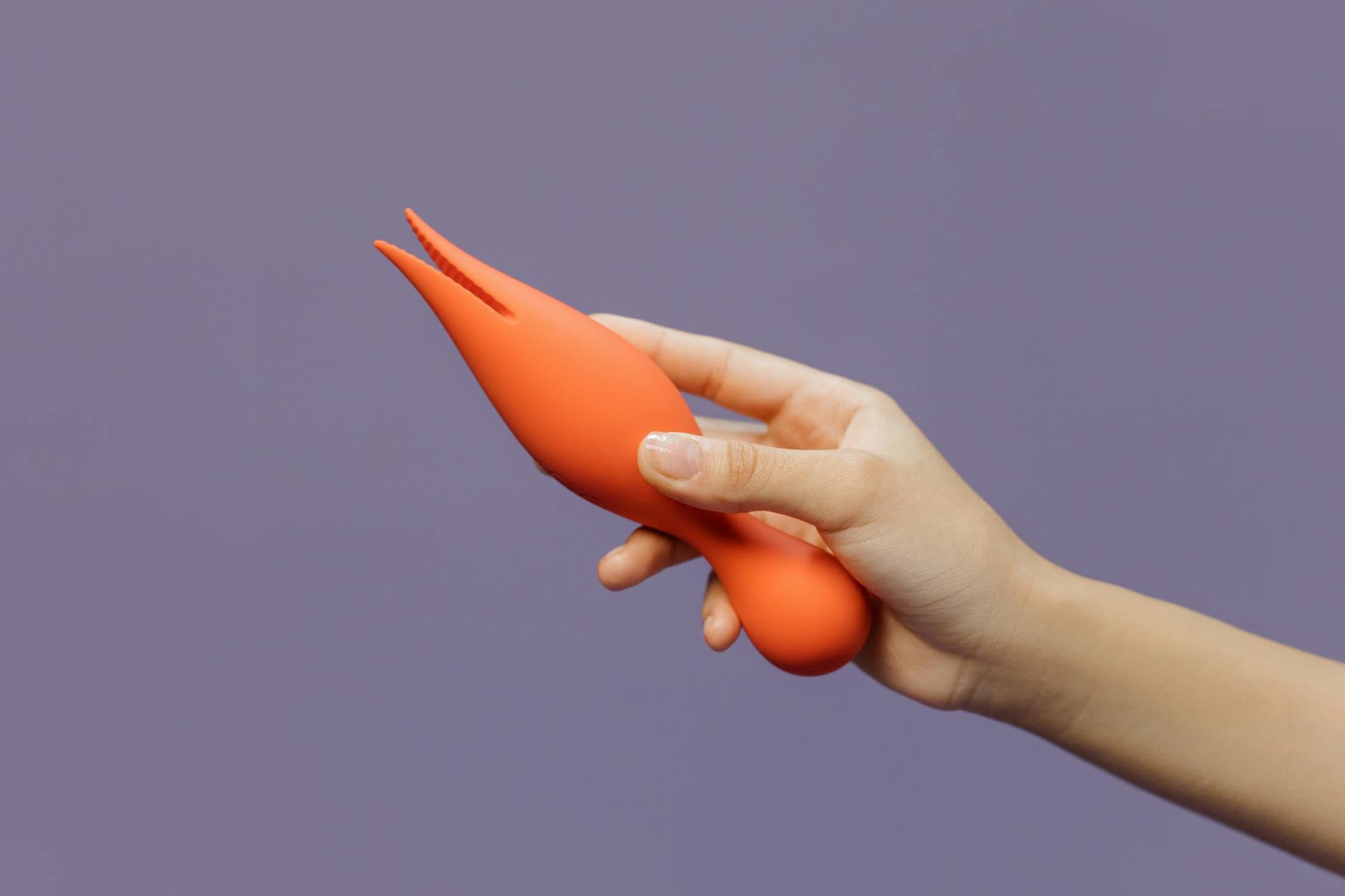
Photo by cottonbro studio on Pexels
A lemon vibrator gives your nervous system permission to explore without forcing an outcome. That permission is often what's missing.
Common postpartum sensation questions
Is numbness around the perineum normal, and when does it go away?
Completely normal. If you had tearing or an episiotomy, the scar tissue and swelling desensitize the area. Most people report that numbness starts improving around month three and clears up by month six or twelve. Some residual numbness is possible long-term if the tear was severe, but full sensation returns for most. A lemon clitoral vibrator can actually accelerate sensation recovery because gentle stimulation helps nerve fibers rebuild faster.
Can I use a vibrator if I'm breastfeeding and my hormones are low?
Yes, and you might find it especially helpful. Low estrogen makes the vulva more sensitive to pressure, which is why suction-based devices like the Lem work so well postpartum. You're not trying to force arousal. You're inviting your body to remember what pleasure feels like, regardless of hormone levels.
What if touching myself still triggers pain or panic?
That's a sign you're not ready yet, and that's information. Birth trauma is real, and it lives in your nervous system. A somatic therapist or pelvic floor physical therapist trained in trauma can help you work through this. A vibrator is a tool, not a cure. If touch is triggering, other healing needs to happen first.
Is it normal for my clitoris to feel completely different in shape or sensitivity?
Yes. Swelling from birth can make the clitoris appear larger temporarily. The angle or responsiveness might feel shifted because of how scar tissue settles. Most of these changes resolve as healing progresses. By month four or five, the anatomy typically returns to recognizable. If it doesn't, and it's painful or concerning, talk to a pelvic floor physical therapist.
Can I use a lemon sucker if I had a C-section?
Absolutely. C-section recovery is different (your incision is healing, not your perineum), but hormonal and neurological postpartum changes are the same. A lemon vibrator works just as well. Start at the same timeline: medical clearance, then gentle exploration, building from there.
How do I know if something is wrong versus just normal postpartum change?
Normal: numbness that improves over months, sensation that feels different or muted, difficulty with orgasm for the first few months, intermittent pain during healing. Not normal: sharp, burning pain that doesn't improve, pain that worsens over time, numbness that extends far beyond the delivery area, persistent feeling that something is torn or separated. If you're in the second category, see a pelvic floor physical therapist or your OB.
The bigger picture
Your postpartum body is not broken. It's rebuilding. Sensation changes, desire fluctuates, and pleasure might feel distant right now. That's not permanent. That's just where you are today.
A lemon vibrator is a tool to remind yourself that your body is still yours. That sensation is still possible. That pleasure matters, even when you're in the middle of the hardest season of your life.
If you want support in rebuilding intimacy with your partner after childbirth, or you need clarity on what's normal in your own recovery, reach out to Get Lem Toy. We can point you toward resources or help you figure out what your body needs next.
Your pleasure is not a luxury. It's part of healing.