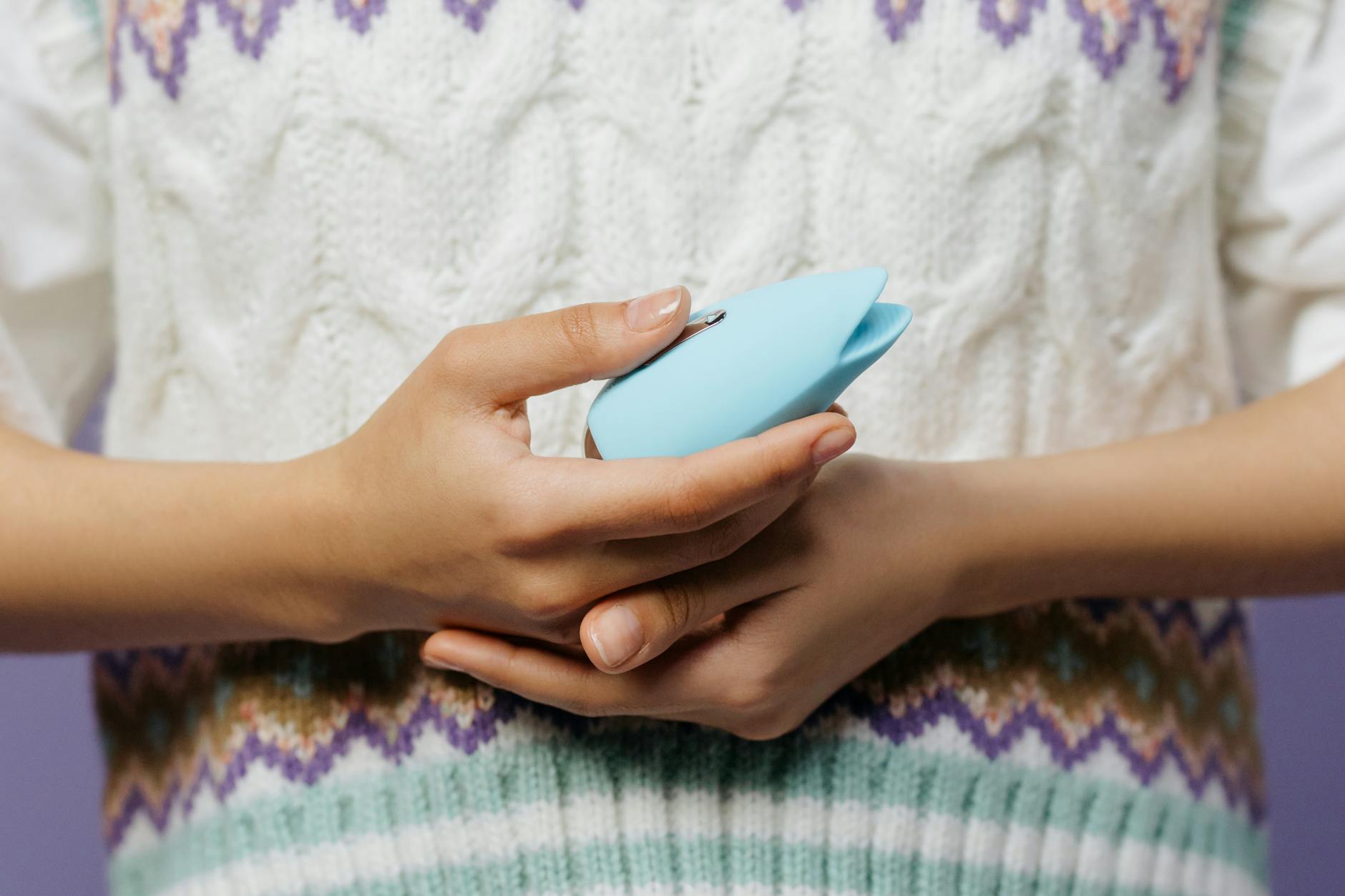
How to Use a Lemon Vibrator When Menopause Changes Sensation and Arousal
Let's be real. Menopause changes how your body responds to touch, but that's not the same as your pleasure disappearing. The distinction matters because most of what you've heard about menopause and sex swings between two unhelpful extremes: "everything stops working" or "nothing actually changes, don't worry." Both miss the point entirely.
Here's what actually happens when hormones shift, and why a lemon clitoral vibrator becomes such a useful tool during this transition.
What happens to sensation during menopause
Estrogen drops. This is the core fact that reorganizes everything else. Lower estrogen thins the vaginal tissue, reduces natural lubrication, and changes how quickly blood flows to the genitals during arousal. Testosterone also declines, and yes, people with ovaries produce testosterone too. It drives desire more than most people realize.
The pelvic floor loses some of that estrogen support, which shifts the quality of orgasms. They might feel more localized. They might take longer to build. Some people find them weaker initially, then stronger than ever once they adjust.
But here's what doesn't change. Not one bit.
The nerve endings in your clitoris stay exactly as dense as they were at thirty. The brain's capacity for arousal and pleasure doesn't vanish. You still have the same neural pathways that create sensation. Many of my clients report their most intense orgasms happen after menopause, and this isn't a polite lie. It's what I see clinically all the time.
Why arousal takes longer now
Tissue changes are real, but they're not the whole story. Arousal slows down for three separate reasons, and understanding them changes how you approach pleasure.
First, your autonomic nervous system needs more time to shift from sympathetic (fight-or-flight, stressed) to parasympathetic (rest-and-digest, aroused). That handoff used to happen in five minutes. Now it takes fifteen to twenty. This isn't weakness. It's your body asking for more deliberate permission.
Second, reduced estrogen affects blood flow timing. Engorgement happens, but on a slower schedule. Your clitoris still swells, but it's more gradual. A lemon clitoral vibrator becomes useful precisely here because suction creates immediate localized engagement without requiring the manual friction that can feel too intense on thinner tissue.
Third, the mental load has often shifted too. Perimenopause and menopause often arrive alongside other midlife transitions. Aging parents. Grown kids. Relationship recalibrations. All of that cognitive weight sits on top of the hormonal shift. Your body isn't broken. It's just asking you to clear some bandwidth first.
How the Lem works differently on your body now
If you've used a lemon vibrator before menopause, you might notice it feels different now. That's not because the toy changed. Your tissue has.
The suction mechanism of a lemon clitoral vibrator is gentler on thinner vaginal tissue than direct vibration, which is why so many post-menopausal people find air-suction toys more comfortable than traditional vibrators. Suction stimulates the nerve endings without the mechanical pressure that can create irritation or numbness on tissue that's already more delicate.
Start on the lowest suction setting. Give yourself the same warm-up time you'd give a partner. Fifteen to twenty minutes of foreplay, actual touch, mental engagement. The Lem works best when you're already partway to arousal, not as a replacement for arousal building.
Use a water-based lubricant every time. Not because you're broken, but because thinner tissue benefits from it. Silicone-based lubes feel richer, but they can degrade silicone toys, and the Lem is silicone. Stick with water-based and reapply if needed.
The tissue and lubrication piece
Genitourinary syndrome of menopause (GSM) is real and common, and it's treatable. If you're experiencing pain during sex, that's not something to work around. That's something to address directly, because it changes the entire experience.
Topical estrogen creams work quickly and don't have the systemic absorption that makes some people nervous about hormone therapy. A conversation with a menopause-trained GP or gynecologist takes weeks off your timeline. Some people combine topical estrogen with a lemon sucker for optimal results.
Water-based lubricant helps in the moment, but it's not a permanent fix for tissue thinning. Think of it as useful while you're addressing the underlying issue, not instead of addressing it.
Why sensation might feel sharper (or softer) now
This is where menopause gets interesting instead of just frustrating. Some people experience heightened clitoral sensation after menopause. The tissue is thinner, which can make nerve endings feel more accessible. Paradoxically, that can make pleasure more intense, not less.
Other people find sensation feels duller initially, then recalibrates. This usually means your nervous system is still adjusting to the new hormone baseline. Give it time. You're not permanently numb. You're recalibrating.
The best approach is patient experimentation. Try the Lem on different settings. Explore what feels good now, knowing it might shift again in six months. Menopause isn't a single event. It's a years-long process, and sensation often keeps evolving.
How to rebuild arousal if desire feels distant
Menopause sometimes flattens desire, and sometimes it's not menopause at all. It's the stress, the grief, the relationship tension that arrived at the same time. Don't assume every change is hormonal, because confusing the two conversations makes both of them harder.
If desire feels genuinely missing, start with your own body first. Solo exploration with a lemon clitoral vibrator removes the pressure of performing for a partner. Many people find that private, pressure-free time is exactly what rekindled desire.
Second, consider testosterone therapy. It's worth discussing with a menopause specialist. It's prescribed more cautiously in the US than in other countries, but it's available and often changes desire dramatically for the right person.
Third, talk to your partner. Menopause is a couple's transition, not just an individual one. If you're partnered, be specific about what your body needs now. Longer warm-up. Different touch. A lemon vibrator as part of the conversation, not instead of it.
When to see a specialist
If pain shows up during sex, don't wait it out. See a menopause-trained doctor. If desire has completely flatlined and isn't returning on its own, that's also worth a conversation. Testosterone therapy, topical estrogen, and other options are available.
If you're using antidepressants and noticed a change in sensation, mention it. There are often alternatives that work just as well without flattening pleasure. Your doctor can't help if they don't know it matters to you.
The emotional architecture matters as much as the physical
Menopause often lands in the middle of a relationship's second act. Kids are older. Work patterns have shifted. You might feel invisible in ways you didn't expect. That grief and invisibility can sit on top of hormonal changes and feel like one big "nothing works anymore" problem.
It's not. The physical part is manageable with lube, time, and tools like a lemon clitoral vibrator. The emotional part is just as important and often more overlooked.
Talk to your partner about menopause not as a problem to fix, but as a transition you're moving through together. Ask for what you need. Use a lemon vibrator as an invitation to explore, not as a sign that something's broken.
Menopause isn't the end of your sexual life. It's the middle chapter, and for many people, the most interesting one yet. Your body didn't stop wanting pleasure. It just changed how it gets there. That's worth understanding.
FAQ: Common questions about lemon vibrators and menopause
Can a lemon clitoral vibrator actually help with menopausal numbness?
Yes, because suction stimulates nerves differently than direct vibration. The mechanism engages the tissue without pressure, which many post-menopausal people find more comfortable and more effective. Start low and build up slowly as your body adjusts.
How long should foreplay take when menopause slows arousal?
Aim for fifteen to twenty minutes minimum. This isn't longer than before for the sake of it. Your body needs more time to shift into parasympathetic arousal. Budget for it the same way you'd budget for a conversation before sex. It's part of the experience now, not an obstacle.
Does menopause make lemon vibrators more effective or less effective?
Different, not worse. The suction design works well with thinner tissue because it doesn't require friction. Some people find they need lower settings than before. Others find the sensation is more intense. Experiment and notice what your body tells you.
Should I use lubricant with a lemon vibrator during menopause?
Always. Water-based lubricant makes everything more comfortable and helps the suction mechanism work smoothly. Reapply if needed. This isn't a sign something's wrong. It's basic maintenance for tissue that's changed.
Can a lemon clitoral vibrator replace hormone therapy?
No. A vibrator is a tool for pleasure. Hormone therapy, topical estrogen creams, or testosterone are separate medical conversations if you need them. They're not in competition. Many people use both.
Is it normal for sensation to feel different or sharper after menopause?
Yes. Some people experience heightened sensation. Thinner tissue can make nerve endings feel more accessible. Others find sensation duller initially, then recalibrates. Give your body six months to adjust before assuming the change is permanent.
Menopause is a doorway, not a deadline. What's on the other side of it is often richer and more intentional than what came before, especially if you're willing to explore it with honesty and the right tools.