When desire just stops
One day you want your partner. The next day you don't. Not because anything changed between you. Not because you fell out of love. Your libido just... switched off.
This happens more often than you'd think. Work stress, health shifts, relationship ruts, burnout, medication changes, hormonal fluctuations. Sometimes there's no obvious trigger at all. And when it happens, the silence can feel deafening. Your partner feels rejected. You feel broken. The whole dynamic tips into a place neither of you wanted to go.
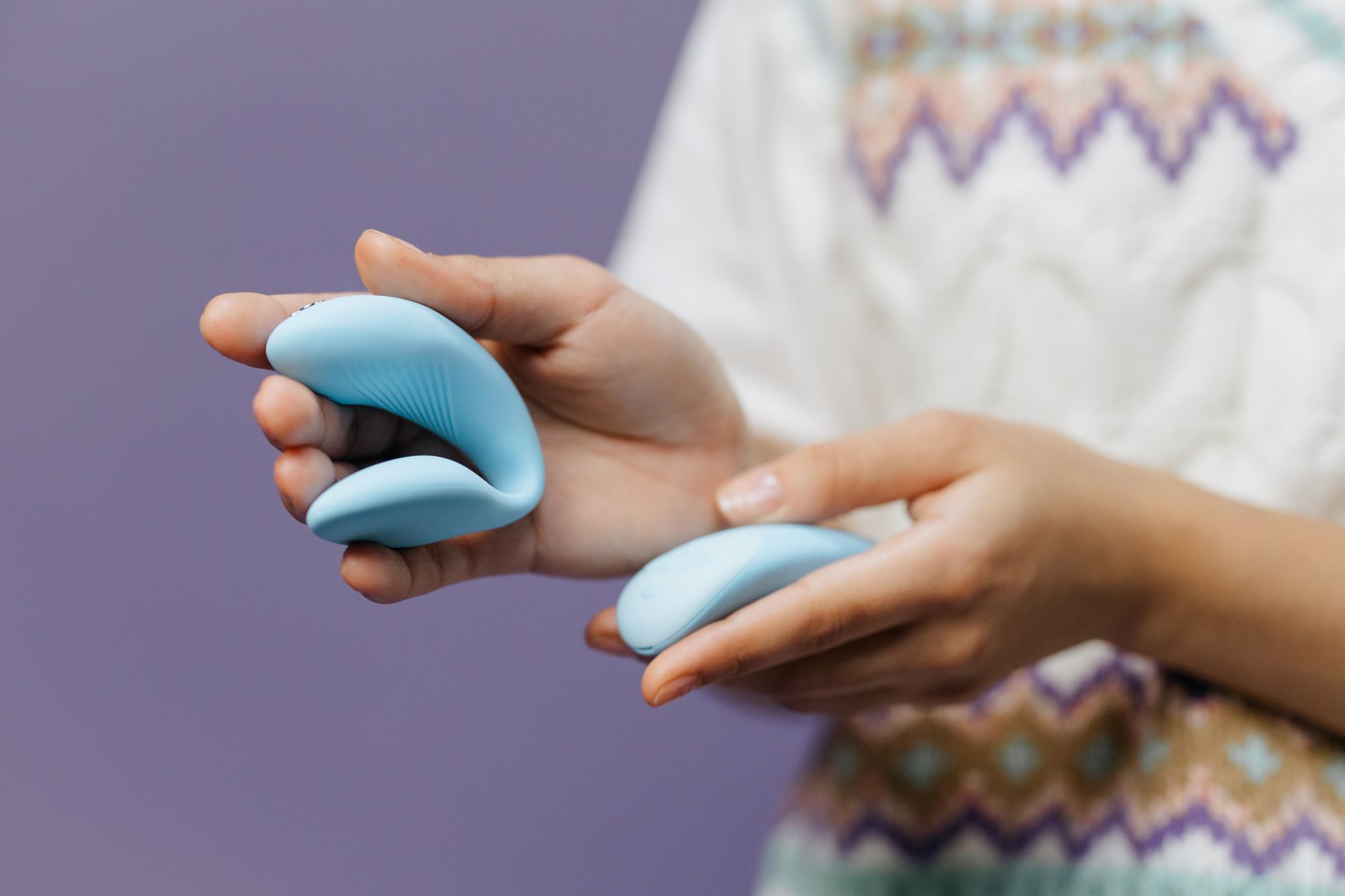
Here's what I've seen work: introducing a lemon vibrator isn't about "fixing" your desire. It's about creating a container where pleasure can happen again without the weight of expectation.
Why sudden libido drops happen (and why it's not about attraction)
Your brain is the biggest sexual organ you have. Desire doesn't live in your genitals. It lives upstream, in the prefrontal cortex, the limbic system, your nervous system's overall state. When stress hormones spike, when you're running on fumes, when a relationship has drifted into logistical partnership instead of intimate connection, desire goes quiet.
Here's the paradox: trying harder to want sex makes it worse. Pressure kills arousal. The more your partner initiates (with good intentions), the more resentment you feel. The more resentful you feel, the less interested you are. You're trapped in a feedback loop.
Most couples don't know how to break it. They either white-knuckle through sex they don't want (which teaches your nervous system that sex equals obligation), or they stop touching entirely (which teaches your nervous system that touch equals pressure). Both paths make things worse.
The shift a clitoral vibrator creates
A tool like the Lem changes the equation in three concrete ways.
First, it removes the performance load. When you use a vibrator together, there's no "normal" sex to compare against. There's no pressure to orgasm, no invisible checklist of what should happen. You're both exploring something new, which means you're equals again instead of one partner managing the other's disappointment.
Second, it wakes up your body without shame. If your libido has been dormant, reawakening sensation happens best through exploration, not obligation. A clitoral vibrator like the Lem uses gentle suction and precision stimulation that doesn't require you to be aroused first. You can build arousal from the ground up, at your own pace, without your partner's timeline interfering.
Third, it gives you permission to want something just for yourself. Suddenly you're not having sex to keep the relationship stable. You're having pleasure because it feels good. That permission shift is often the thing that actually brings desire back.
The conversation to have first
Don't introduce a lemon vibrator in the middle of a intimacy session. That's adding a tool to a system that's already stressed.
Instead, have this conversation outside the bedroom, when you're both calm:
"I've noticed our intimate life has shifted, and I know that's been hard for both of us. I'm not broken, and neither are you. But I think we've been stuck in a pattern where sex feels like an obligation instead of something we both want. I'd like to try exploring together with a tool that might help us both relax into pleasure again. Would you be open to that?"
If they say yes, pick a time that feels neutral. Not when either of you is tired, stressed, or resentful. Not after a conflict. Weekend afternoon, when you have energy and no clock ticking.
If they say no, that's information too. You might need a couples therapist to explore what's really happening. Sometimes a sudden libido drop isn't about desire. It's about deeper disconnection that a vibrator can't solve.
How to actually use it together
Start with the goal of exploration, not orgasm. That's the mental shift that changes everything.
Begin clothed. Let your partner hold the Lem, explore the sensations together. No genitals involved yet. This sounds almost silly, but it teaches both of you that this tool isn't a magic solution. It's just a different way of touching.
When you're ready to undress, go slowly. Your partner might use the Lem on you while you focus on breathing, on what feels good, on staying present. The point isn't for them to perform perfectly. The point is for you to remember that your body can feel pleasure without pressure.
After 10-15 minutes, pause. Talk about what that felt like. Was there a moment when you actually felt something shift? Where pressure dropped?
Do this multiple times before expecting it to lead anywhere. You're rewiring your nervous system's association with touch and intimacy. That takes repetition.
The parallel work: fixing the relationship underneath
A lemon vibrator can restart physical connection. It can't fix the relationship issues that killed desire in the first place.
If the libido drop came with distance, resentment, or communication breakdown, you need to address that too. Sometimes that means couples therapy. Sometimes it means honest conversations about what you both need. Sometimes it means one partner needs individual therapy to work through anxiety or trauma that's blocking pleasure.
The vibrator is the bridge. The real work is what happens on either side of it.
When to stop using it as a bridge
Eventually, you want desire to come back organically. That might mean you keep using the Lem as part of your intimacy routine. That's completely normal. But you'll know something's shifted when sex starts to feel like something you both want again, not something you're both anxious about.
Some couples find that reintroducing non-genital touch helps. Massage. Kissing without it leading anywhere. Cuddling. These things rebuild the non-pressurized physical connection that desire grows from.
Other couples discover that they actually need less frequent sex, but deeper quality when they do connect. That's also fine. There's no normal to return to. There's only what works for you both.
FAQ: Sudden Libido Drops and Reconnection
What if one partner wants to use the vibrator and the other doesn't?
That's not about the vibrator. That's about trust or vulnerability or deeper resistance. Before introducing any tool, you might need a few sessions with a couples therapist to understand what's actually blocking connection. Sometimes the resistance to a vibrator is really resistance to addressing the real problem.
Can a lemon clitoral vibrator bring back desire that's been gone for years?
It can help rewire your nervous system's association with pleasure, which is the foundation for desire. But it's not a cure for years of resentment, infidelity, or disconnection. That requires real repair work. A tool can support that work, but it can't replace it.
Is it normal that I want to use the vibrator solo more than with my partner?
Completely normal. Sometimes reawakening your own desire solo is the first step. You remember what pleasure feels like without anyone watching, without performance pressure. Then, once you've reconnected with your own body, reconnecting with your partner becomes easier. Some people find that solo exploration with a lemon vibrator actually improves their partnered sex because they know what they want.
My partner feels threatened by the vibrator. What do I do?
That's worth exploring. Is it about the vibrator itself, or about fear that you're pulling away? Sometimes men (in particular) interpret a vibrator as a threat to their role. That's usually about insecurity, not reality. A honest conversation about what the vibrator represents might help. It's not a replacement. It's a way to reconnect with the pleasure that brought you together in the first place.
How long does it take for libido to come back?
It depends on what killed it. If it's stress, 3-4 weeks of consistent, pressure-free touch and exploration might shift things. If it's medication, you might need to talk to your doctor about alternatives. If it's relationship issues, it might take months of real work. There's no timeline. But movement matters more than speed.
What if the vibrator feels good but I still don't want partnered sex?
That's worth examining with a therapist, ideally together. It might mean you need more solo pleasure time before you're ready to be vulnerable with your partner again. It might mean something deeper is wrong in the relationship. Or it might mean you've discovered that you actually prefer different types of intimacy than you thought. The vibrator is honest feedback. Pay attention to what it's telling you.
The real point
When libido vanishes, couples panic. They think it means the relationship is over or they're broken or something is fundamentally wrong. Often what's actually wrong is that you've both gotten stuck in a dynamic where sex feels like maintenance instead of pleasure.
A lemon clitoral vibrator can be the thing that says, "Let's try this differently." It gives you permission to slow down, to explore without an endpoint, to remember why you liked touching each other in the first place.
It's not magic. But it's often the thing that makes space for real connection to happen again.
If you're navigating sudden desire shifts and you're not sure where to start, reach out. Sometimes talking to someone outside the relationship helps clarify what's real and what's just stuck.