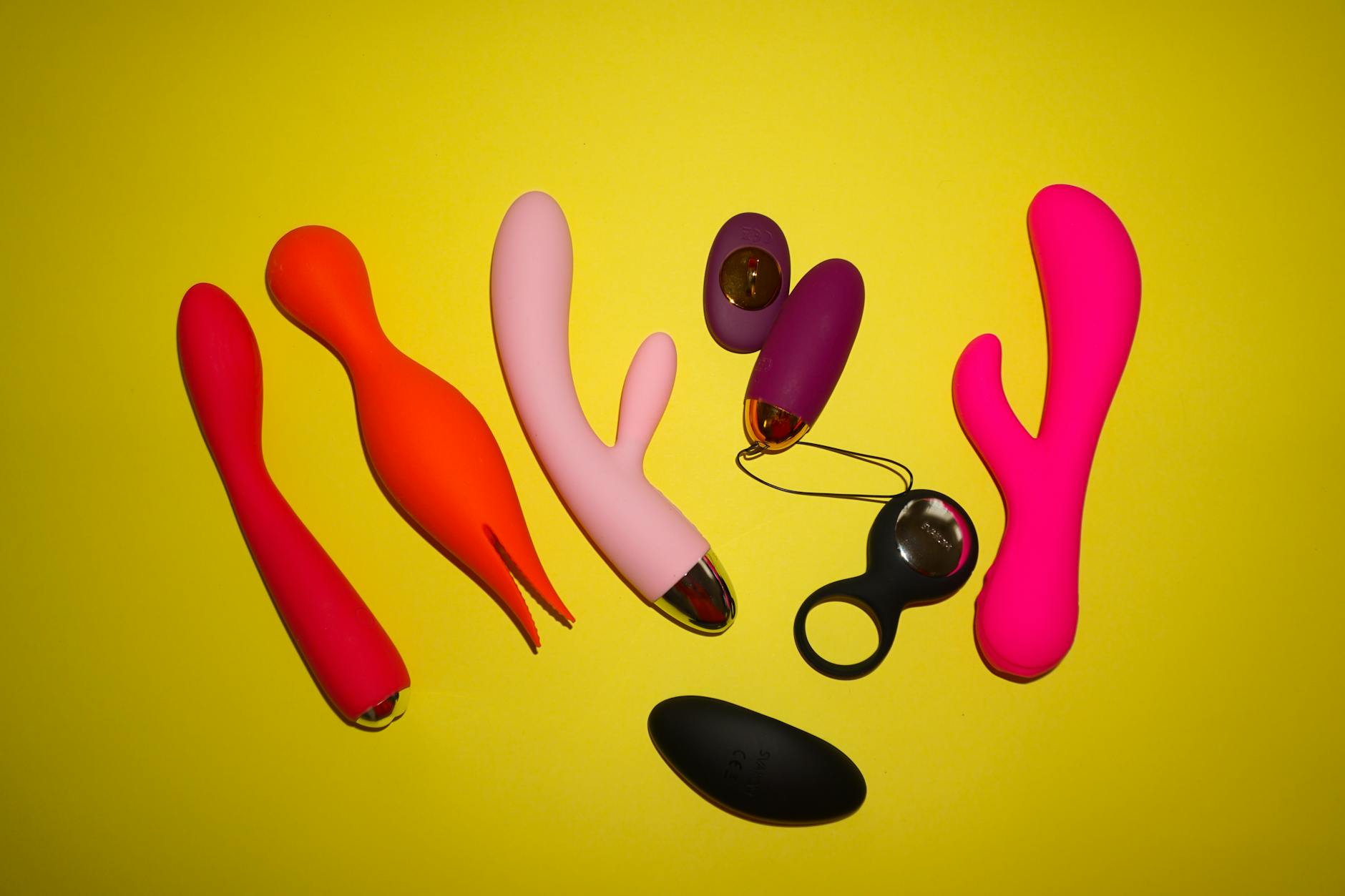
How to Use a Lemon Vibrator When External Stimulation Feels Too Intense
Direct contact can overwhelm. Learn the spacing, pressure, and pattern adjustments that transform a lemon vibrator from uncomfortable to exactly right.
Sensitivity to external stimulation is not a problem. It's information. Your nervous system is telling you something real: direct contact at full intensity is too much right now. That doesn't mean you can't enjoy pleasure. It means you need a different approach.
Most people assume that if a lemon clitoral vibrator feels overwhelming, they're either broken or the device isn't for them. Both assumptions are wrong. What you actually need is a technique shift. A lemon sucker like the Lem works beautifully for sensitive bodies, but only if you use it in ways that respect what your tissues are telling you.
Intense sensation happens for several reasons, and they matter because the fix changes depending on the cause.
Sometimes it's physiological. Hormonal shifts, skin changes, nerve sensitivity that comes with age or stress, or even temporary inflammation can make direct contact feel sharp instead of pleasurable. Your clitoris has thousands of nerve endings packed into a tiny space, which is why it's capable of such intense sensation. When those nerves are inflamed or already activated, adding vibration feels like turning up the volume on a speaker that's already too loud.
Other times it's psychological. Anxiety makes the nervous system hypersensitive. If you're in your head about whether you're doing it right, or worried about taking too long, or self-conscious about how you sound, your body's threat response activates. Heightened nerves mean heightened sensation. Pressure, even unspoken, makes everything feel sharper.
Sometimes it's a mismatch between pattern and timing. You might be fine with vibration, but only after ten minutes of warm-up. Or you might be able to handle the Lem's signature suction pattern, but only if you start at the lowest setting instead of the middle one.
The point: intensity is contextual. Same device, same settings, different conditions. Your job is to figure out which variable is your real blocker.
Don't apply a lemon vibrator directly to your clitoris. That sounds obvious, but most people miss it.
Lay the flat side of the Lem against your inner thigh, about two inches away from where you actually want stimulation. You'll still feel the vibration and suction, but it's filtered through the thigh tissue. The sensation is gentler, diffused, and easier to tolerate. After thirty seconds to a minute, move it closer. Then closer again. Let your nervous system acclimate at each step.
This is not a workaround. This is how many people use lemon clitoral vibrators effectively, especially early on or when their sensitivity is high.
Another option: place a thin barrier between the device and your skin. A single layer of soft cotton, like a T-shirt fabric folded once, will reduce sensation intensity without killing the effect. Some people prefer a silk or satin barrier because it feels luxurious and offers similar dampening. You're not losing pleasure; you're making it accessible.
Here's what I see over and over: people assume they need to avoid the Lem because it's "too strong." What they actually need is to avoid the wrong pattern.
The Lem's signature suction pattern is intense because it's designed to be. But the device has multiple settings. Start with pattern 1 or 2, not pattern 5 or 6. This is not a sign you're weak. It's a sign you're listening to your body.
Pattern 1 is a gentle, steady pulse. Pattern 2 is slightly more dynamic. Both are meditative, not overwhelming. After your body acclimates over a few minutes, you can increase the pattern number if you want to. Or you might find that lower patterns feel exactly right and give you everything you're looking for.
Want something even gentler? Turn the device on, let it settle into pattern 1, and use it as a static massager against your inner thigh or labia without any movement. Hold it still. No stroking, no pressure variation. Just steady, gentle contact. This removes the stimulation variable entirely and lets you control intensity purely through proximity and pattern choice.
Your body needs actual warm-up time before it can handle what a lemon vibrator offers, even at low settings.
When you're not yet aroused, all sensation feels sharper and less pleasant. Touching yourself manually, thinking about what turns you on, maybe reading or watching something that lands for you. Build actual arousal first. This should take at least five to ten minutes, maybe longer. Your tissues need blood flow. Your nervous system needs to shift out of alert mode into receptive mode.
Then introduce the vibrator. Don't skip steps to save time. The warm-up makes the difference between "this feels too sharp" and "this feels amazing."
If you're partnered, this is a conversation worth having. "I want to use this with you, but I need fifteen minutes of touch without the device first." That's not a burden. That's clarity. Partners appreciate clarity because it removes guessing.
There's a difference between sensitivity and soreness. Soreness feels sharp, maybe burning, maybe like a prolonged ache. Numbness feels like the nerves are checked out. Both mean stop.
Sensitivity that feels intense but good, where you're tingling and engaged? That's fine. Numbness, where you're pressing harder and feeling less? That's your signal to rest. Twenty to thirty minutes maximum with a vibrator in one session. Your tissues need a break. Soreness after takes two to three days to resolve, and if you repeat the behavior, it gets worse.
If soreness happens even with gentle pressure and adequate warm-up, that might be something to discuss with a provider. Vulvodynia, dermatological sensitivity, or other treatable conditions can make any external stimulation hurt. A doctor or vulvovaginal specialist can offer real solutions.
If you've had bad experiences with vibrators feeling overwhelming, your nervous system has learned to brace against them. You approach them already tense.
Before you even touch the device, try this: lie down, close your eyes, and breathe for two minutes. That's it. Not meditation, not visualization, just breathing. Then take your hand and touch your body in a way that feels good. Chest, neck, arm, anywhere that feels soothing. This primes your nervous system toward pleasure instead of threat.
When you do reach for the Lem, start with pattern 1, distance spacing, and full permission to stop instantly. You're not trying to finish or achieve something. You're collecting information about what your body can enjoy. That shift in framing changes everything.
You don't have to choose between the device and your hands. Use them together.
Hold the Lem against your inner thigh on pattern 1 while you use your fingers to touch the areas that feel good right now. Maybe that's your labia, maybe it's your breast, maybe it's your clitoris but with your own softer pressure. The vibration in the background provides sensation without being the only sensation. Your hand gives you control and the ability to vary pressure and location.
Many people find this combination transforms how the device feels. It becomes a supplement to pleasure, not the main event. That usually feels less overwhelming because you're not surrendering entirely to the device's intensity.
If intense sensation shows up suddenly when it didn't before, that's worth mentioning to a doctor. Hormonal shifts, skin conditions, nerve pain, inflammation, even medication side effects can change sensation sensitivity.
If intense sensation is paired with pain, burning, numbness, or visible irritation, that's definitely a conversation with a provider. You might have vulvodynia, dermatitis, or another condition that responds well to treatment.
If the overwhelm is purely psychological, if you're anxious about being watched or timed or judged, a therapist who specializes in sexual health can help you work through that. It's treatable. Connection to your own pleasure is a learnable skill, not a character flaw.
Don't suffer through discomfort because you think you "should" like a particular device. Your pleasure matters. Your comfort matters. The right approach is the one that works for your body, not the one that works for someone else.
Absolutely. In fact, the Lem's suction design often works better for sensitive bodies than traditional vibration-only devices because the sensation is different. Start with spacing (placing it on your thigh instead of directly on your clitoris), use the lowest pattern setting, and prioritize actual warm-up time. Many people with high sensitivity find that this approach transforms what felt overwhelming into exactly what they want.
Adjustment happens in minutes, not days. By the third or fourth time you use it with proper spacing and low settings, most people notice the sensation feels less sharp and more pleasurable. Your nervous system learns quickly when you approach it gently and consistently. If it's still overwhelming after five or six sessions with proper technique, there might be something else going on medically, and that's worth discussing with a provider.
Yes, and the distinction matters because the fix is different. High sensitivity often means your nerve endings are reactive but your muscles are fine. Vaginismus or pelvic floor tension means your muscles involuntarily clench in response to anticipated pain or penetration. Sensitivity can usually be managed through spacing, pattern selection, and warm-up. Pelvic floor issues benefit more from relaxation techniques and sometimes physical therapy. If you're not sure which you have, a pelvic floor physical therapist can assess and guide you. For more context, read about how to use a lemon vibrator when pelvic floor dysfunction causes pain.
Tell them. Specifically, tell them which approach feels better: spacing, lower patterns, manual touch alongside the device, or something else. This conversation removes shame and replaces it with information. The goal isn't to use the device the way the box suggests. The goal is to use it in a way that gives you pleasure. A partner who listens to that boundary and adjusts is a partner who cares about your experience, not just their idea of what should feel good.
Yes, in many cases. The more you practice approaching pleasure without pressure or panic, the more your nervous system learns that it's safe. You're retraining your threat response. That happens gradually, over weeks or months, with consistent gentle practice. But it also can plateau, especially if there's an underlying physical reason for the sensitivity. Both patterns are normal. The point is to notice what's happening and adjust your approach accordingly rather than forcing your body to adapt to something that doesn't work.
Some mild numbness immediately after use can happen because you've been stimulating a lot of nerve endings. It usually resolves within an hour. But if numbness lasts longer than that, or if you're numb during use (meaning you need to press harder and harder to feel anything), you've overworked the tissue. Take a break, give yourself a few days without stimulation, and next time use shorter sessions with more frequent breaks. If numbness becomes a pattern even with careful use, mention it to a provider. It might indicate something like nerve compression or a skin condition that deserves attention.
Intensity is not a verdict on your body. It's information about what works right now. Every body is different. Every season of life is different. A lemon clitoral vibrator that feels overwhelming today might feel perfect in three months, or with a partner, or at a different time of day. Stay curious instead of resigned.
Start with spacing, low patterns, and actual warm-up. Give your nervous system permission to acclimate at its own pace. Your pleasure deserves that care. If you're hitting a wall even with these adjustments, reach out. Contact Get Lem Toy with your questions, or see a healthcare provider who specializes in sexual health. You're not the first person to navigate this, and you won't be the last. The solution is almost always simpler than you think.