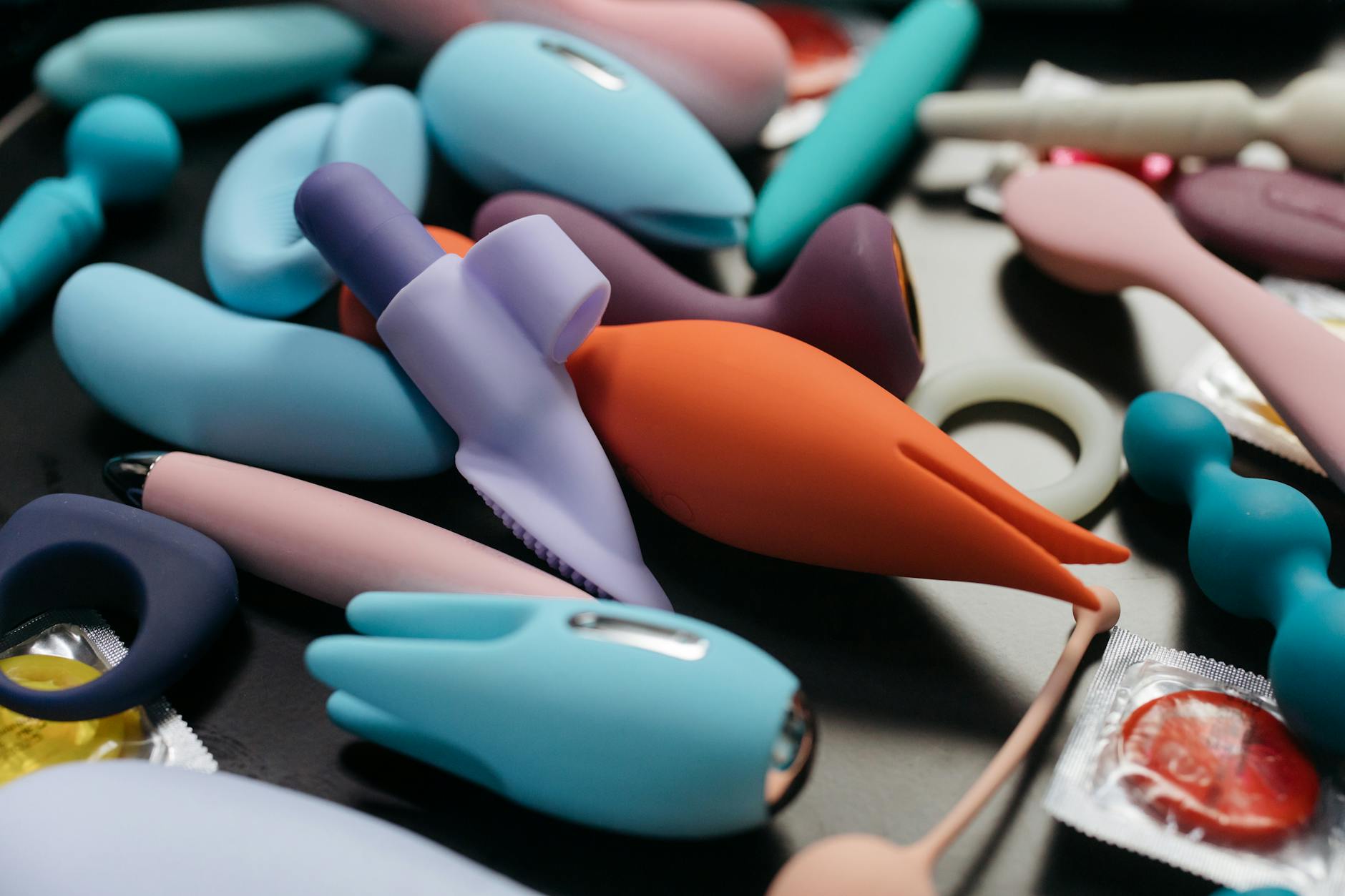
Let's name what's happening
You've been together long enough that you know each other's bodies. But lately, one of you doesn't want sex as much as the other does. Maybe it's a shift in energy, or hormones, or just the weight of years. Either way, you're standing in different rooms now. One person's asking for more. The other's got nothing left to give. And you're both feeling like failures.
Here's what I see in my office: this is one of the most solvable problems couples face, if you stop treating it like a binary choice between "we have sex" and "we don't."
A lemon clitoral vibrator, used thoughtfully, can actually bridge this gap. Not by forcing anyone into pleasure they don't feel. But by making pleasure easier, faster, and less dependent on one person's capacity to perform.
Why desire actually diverges in long-term partnerships
Most couples assume desire mismatch is about attraction. It's almost never about attraction.
What happens is this. One partner's life is moving faster, or their body is changing with age, or they've picked up a stress that lives in their nervous system 24/7. Their baseline arousal drops. Not because they love you less. Because their window is smaller.
Meanwhile, the other partner still has that familiar hunger. And when their partner says no, they hear rejection. They start pulling away. The rejected partner feels that distance and panics. Now there's resentment on top of desire mismatch.
By the time couples come to see me, they're often years into this pattern, and sex has become a battlefield instead of a space where they feel close.
What a lemon vibrator actually changes
Let me be direct: a tool doesn't fix a communication problem. But it does remove one huge barrier.
When sex requires a 20-minute warm-up and perfect conditions and you're stressed about performance, it becomes a production. When one partner is already touched out and the other needs to be touched more, a vibrator makes pleasure independent of that person's bandwidth.
Here's what I mean functionally:
The partner with lower desire can use the Lem to reach orgasm in 5-10 minutes instead of 20. That's the difference between "I have energy for this tonight" and "I'm too tired." The partner with higher desire gets to feel wanted and close without demanding impossible stamina from someone who's exhausted.
But the real shift is psychological. A vibrator says: "Your pleasure doesn't have to look like mine. We don't have to want the same thing at the same time."
The framework that actually works
I ask couples to separate three conversations that usually get tangled together.
Conversation 1: Desire ownership. Your desire is yours to manage. If you want sex more often, that's information. It doesn't mean your partner is broken. It means you might need to get yourself there sometimes, with a tool, alone or together. This isn't selfish. It's mature.
Conversation 2: Proximity. You might not both want sex. But do you both want to be close? Physical intimacy doesn't always mean intercourse. It can mean skin contact, touch, being in the same room while one person uses the Lem. Some couples find that's actually more connected than the old version ever was.
Conversation 3: The hard conversation. If one person's desire has dropped because of anger, resentment, or a real incompatibility in how you want to be touched, a vibrator won't fix that. That's therapy territory. But if it's just "I'm 58 and tired and my hormones changed," a lemon clitoral vibrator can actually work.
How to introduce this without it feeling weird
This is where I see couples stumble. They imagine bringing home a sex toy is vulnerable. It kind of is. But less vulnerable than years of rejection and resentment.
I tell people: frame it as a solution to a real problem, not as criticism. "I notice we're both frustrated. I don't want to pressure you, and you probably don't want to feel obligated. What if we tried something that takes the pressure off both of us?"
Then show your partner the Lem. Hold it. Talk about the suction technology. Not because they need technical specs, but because you're signaling: this is a normal tool, not a shameful secret. You're being matter-of-fact.
If your partner's uncomfortable, don't push. But do say: "I'm not asking you to use it alone. What if we tried it together? I'm curious what it feels like for you." Many people are more open when they feel invited rather than replaced.
Using the Lem when desire patterns are mismatched
Here's the practical part.
For the partner with higher desire: If you use the Lem on your partner, start slow. Pattern 1 or 2. You're not trying to get them off as fast as possible. You're trying to create a moment of closeness where they don't have to do any work. That's the gift. They get to just receive. Many partners find that's way more intimate than traditional sex ever was.
For the partner with lower desire: You don't have to perform. You can just lie there and let pleasure happen. If you reach orgasm, great. If you don't, that's also fine. The point isn't an outcome. The point is 10 minutes where you're both present and your partner gets to feel your body respond to something.
For both of you: Use it as a bridge. Start with manual touch or kissing, then introduce the Lem when arousal is already climbing a little. This doesn't feel like the toy is doing all the work. It feels like an enhancement. Less like a substitute.
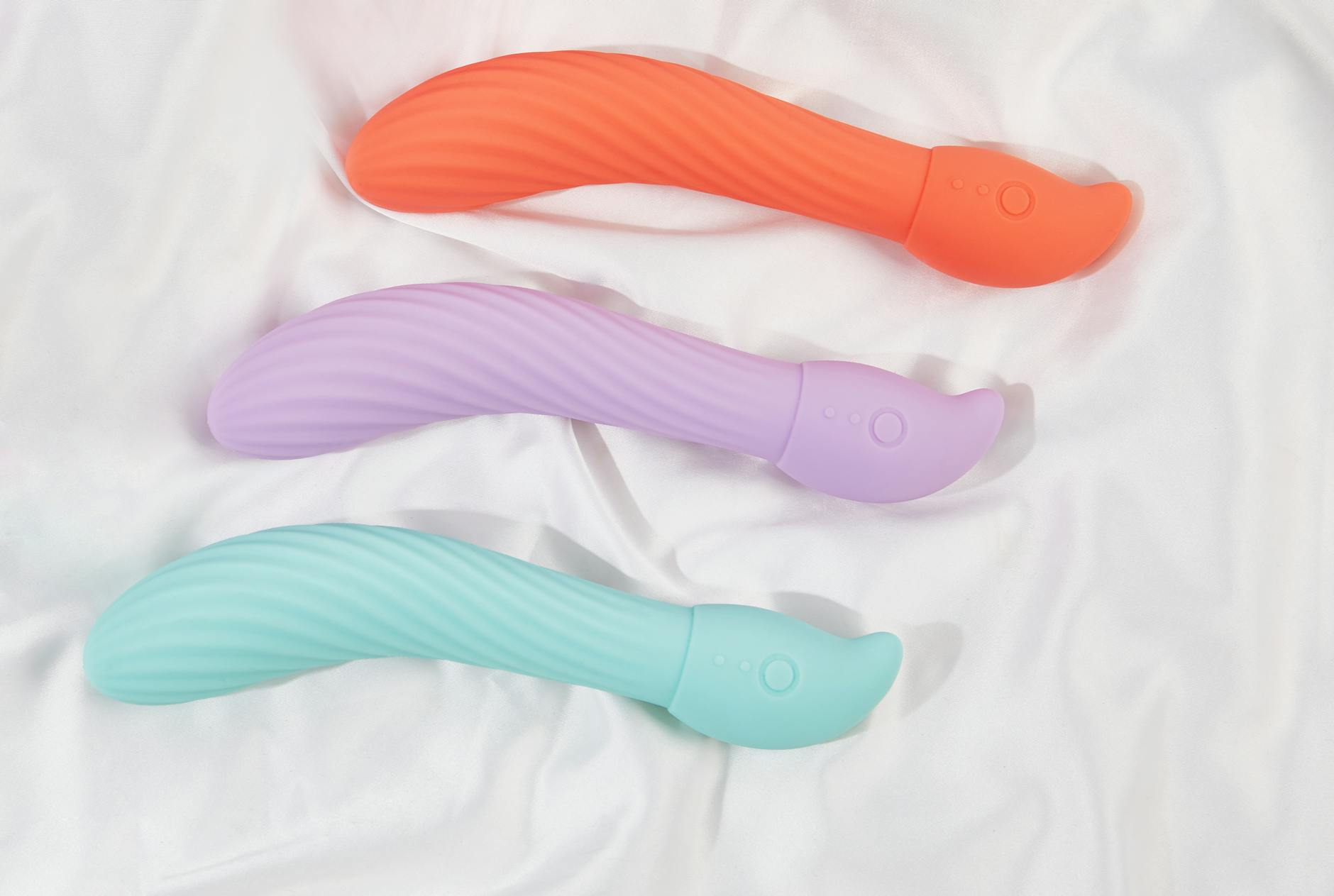
Photo by IFONNX Toys on Pexels
The Lem's suction intensity is gentler than straight vibration, which matters when you're not highly aroused to begin with. Your tissues are more sensitive when you're older, when you're stressed, or when desire is low. The suction approach doesn't require the same kind of deep arousal that penetration or direct vibration needs.
What changes over time
I've watched couples use this framework and something shifts.
At first, it's functional. You're solving the logistical problem. But after a few months, I hear: "I actually look forward to this now." Or: "I realized I do want sex, just not the way we were doing it." Or: "I feel less resentful about my partner's needs because I'm not the only one responsible for meeting them."
Sometimes the partner with lower desire discovers their desire wasn't actually gone. It was just exhausted by pressure. When the pressure lifts, it comes back. Different. But there.
Sometimes both partners find that the script of traditional sex was the problem all along. Removing that requirement actually makes intimacy possible again.
And sometimes, honestly, you discover you want different things and that's real information that needs a bigger conversation. But at least you're not drowning in resentment when you have it.
When to know this isn't enough
A lemon vibrator helps with logistics and pleasure. It doesn't fix contempt. If you're rolling your eyes at your partner, if you're keeping score, if you've checked out emotionally, that needs direct work.
Same if the desire gap is tied to a bigger issue. Infidelity. Financial stress. One person feeling unseen. A tool won't solve those. Therapy will.
But if it's just that one partner's body changed, or their energy shifted, or you're both older and sex is harder to access than it used to be, this actually works. I've seen it work hundreds of times.
One more thing
Desire mismatch is not a referendum on your relationship. It's not a sign you picked the wrong person. It's what happens when two humans age together and their bodies don't stay in sync. You get to choose how you respond to that. With resentment or with creativity. With pressure or with grace.
A lemon clitoral vibrator is just a tool. But it's a tool that says: I want us both to feel good. And I'm willing to change how we do this so that's actually possible.
People also ask
How do I bring up using a clitoral vibrator if my partner is resistant?
Start by naming the real problem: "I notice we're both frustrated. I don't want to pressure you, and I don't want to feel rejected either. I found something I think might help both of us feel less stuck." Lead with curiosity, not demand. Show them the Lem. Let them hold it. Normalize it as a tool, like a toothbrush, not as a threat. If they're still uncomfortable, ask if they'd be open to trying it together once, with no expectation. Many people soften when they see their partner isn't judging them.
Can using a vibrator make my partner's natural arousal worse?
Not in the way you're worried. Your body doesn't forget how to respond to your partner's touch just because a vibrator is faster. What actually happens is the opposite. When there's less pressure and less resentment, natural arousal often comes back. The vibrator removes the performance anxiety that was killing desire in the first place. Think of it like this: if you were stressed about money, would a credit card make you forget how to earn? No. It would ease the stress so you could think clearly again.
Is it okay if only one of us uses the Lem?
Completely okay. Many couples find that the partner with higher desire uses it on the partner with lower desire. That's actually ideal sometimes because the lower-desire partner doesn't have to do any work. They just receive. No performance pressure. No obligation to return the favor. Just closeness and pleasure for 10 minutes. That can actually rebuild intimacy faster than mutual sex ever did. If both of you want to use it, great. If it's one-way, that's also totally valid.
What if the desire gap is really big? Like one of us wants sex weekly and the other wants it monthly?
That's fixable with honest conversation. The person who wants sex more can use the Lem solo sometimes. That's not a replacement for partnered intimacy, but it does reduce the desperation and frustration that builds when one person's needs go unmet. You might also find a middle ground: partnered sex less frequently, but with the vibrator so it's faster and easier. Or regular touch without the expectation of sex. The framework matters more than the frequency. If you're both trying to meet each other halfway, the gap usually shrinks.
Does using a vibrator mean we should be having more sex?
No. It means you should be having better sex. The goal isn't frequency. It's connection and mutual pleasure without resentment. If that happens once a month with the Lem instead of weekly without it, you actually won. If it happens twice a week and you're both present instead of tense, you also won. The metric is not how often. It's how good it feels.
Can a clitoral vibrator help if I'm the one with lower desire?
Absolutely. Lower desire often isn't about your partner. It's about stress, exhaustion, hormonal changes, or just that your body needs different stimulation than it used to. Using the Lem solo can help you understand what actually turns you on now. Then you can teach your partner. Instead of "I don't want sex," you can say "I want this kind of touch." That's information your partner can actually work with.
The bottom line
Desire mismatches in long-term partnerships are normal. They feel like failure because we're told good relationships stay in sync. They don't. Bodies change. Energy shifts. And that's where communication and tools come in.
A lemon clitoral vibrator isn't a band-aid. It's a way of saying: we're not going to squeeze ourselves into an old script that doesn't fit anymore. We're going to find something new that works for both of us.
That's actually more intimate than the original version ever was. You're choosing each other, consciously, over and over. Not from obligation. From desire.
If you're stuck in this pattern and want to talk through how to start, we're here. Reach out at /contact to connect with someone who can help.