Here's what nobody tells you about arousal timing
Arousal used to happen fast. Now it doesn't. That shift can feel like a loss, but it's really just a recalibration. Your body isn't broken. The timeline has changed.
Most of the advice you'll read suggests you're not trying hard enough, not relaxed enough, not in the mood enough. But research on arousal, especially for people in their 40s and beyond, shows something different: slower arousal is statistically normal. It's not rare. It's not pathological. It's common enough that understanding it properly changes everything.
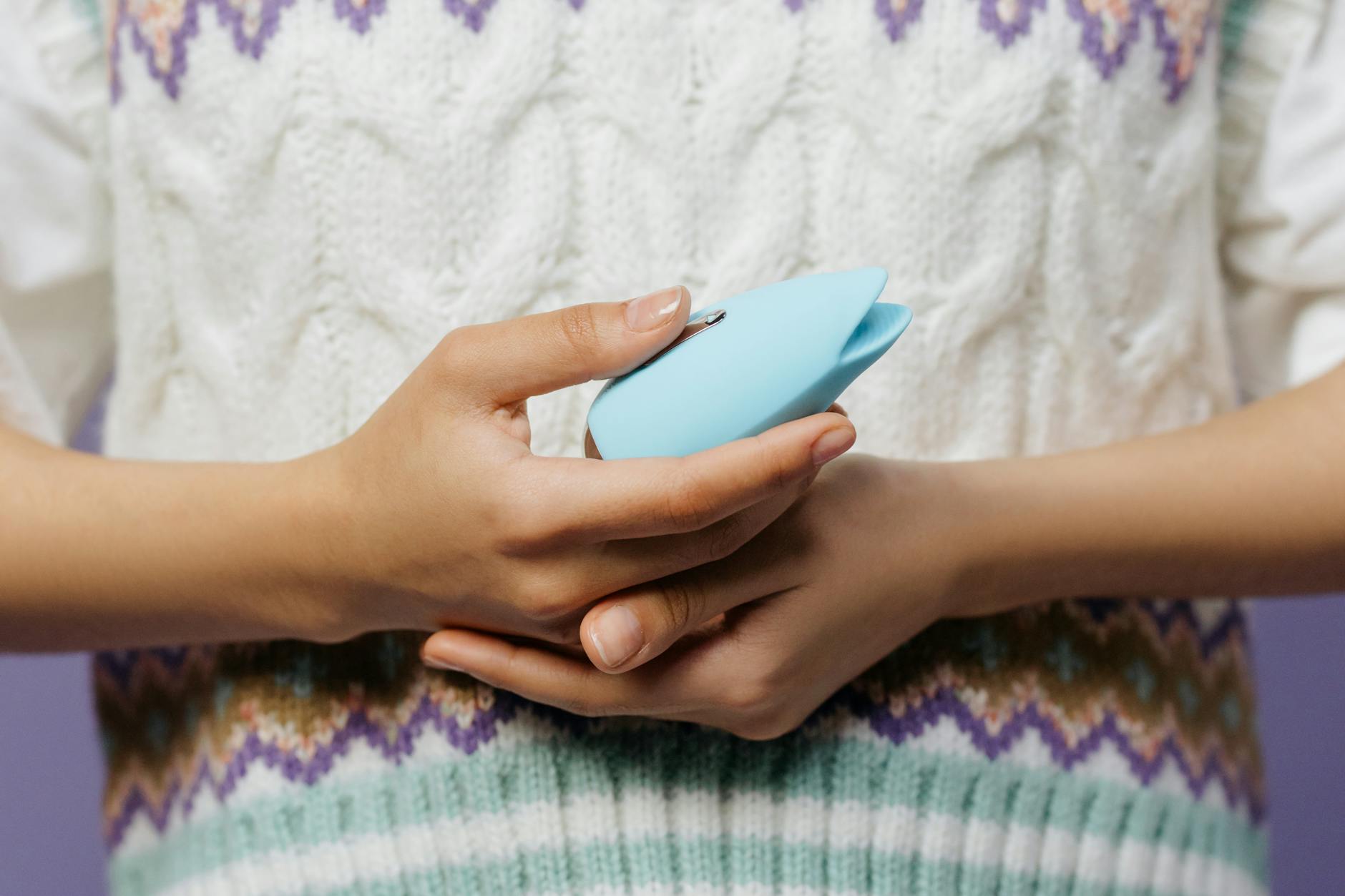
A lemon clitoral vibrator, designed specifically for external stimulation, bridges that gap in a way that lets you work with your body's current rhythm instead of fighting it.
Why arousal slows down (it's not what you think)
There are a few overlapping reasons arousal can take longer to build as we age.
First, hormonal shifts. Whether you're in perimenopause, post-menopause, or simply experiencing natural testosterone decline, your baseline neurochemistry changes. Dopamine response is less sharp. Blood flow to genital tissue takes longer to increase. These aren't obstacles you can mental-health your way past. They're physiological.
Second, cognitive load. If you're managing kids, work stress, relationship negotiations, health concerns, or just the static of modern life, your brain's arousal circuitry has to clear more clutter before it fires. Desire doesn't live in a vacuum. It lives in the space between what you have to do and what you want to do. When that space shrinks, so does the arousal signal.
Third, sensation threshold. The same touch that used to register as arousing might now read as neutral. Your nervous system has literally adapted. You need more pronounced stimulus to cross the arousal threshold. That's not numbness. That's recalibration.
A lemon sucker like the Lem uses air-suction technology, which creates a different kind of stimulation than traditional vibration. It's more intense in a focused way, which means it's less dependent on your baseline arousal level. You can start at lower arousal and still have effective stimulation.
The timing reset that actually helps
Instead of trying to compress arousal into your old schedule, try building extra time into the front end.
Where you might have spent 10 minutes warming up before, aim for 20 to 30 minutes. This sounds long, but here's the reframe: you're not adding time to sex. You're actually restructuring it so that more of the experience is dedicated to you, which statistically correlates with better outcomes for everyone involved.
Break that time into phases.
Phase one: Mental off-ramp (5-10 minutes). This is transition time. Not arousal yet. Put your phone down. Close the bedroom door. Take three deep breaths. Tell your partner you need quiet before you begin. This isn't foreplay. It's a reset.
Phase two: Light sensation (5-10 minutes). Touch that feels good but not overtly sexual. A partner's hand on your back. Your own hand on your arm or leg. Warm water. Soft fabric. The goal is to shift your nervous system from sympathetic (stressed, alert) to parasympathetic (calm, receptive). This is where slower arousal actually starts.
Phase three: Directed stimulation (10-15 minutes plus). This is where the lemon vibrator enters. Start at a lower intensity pattern. The Lem has eight intensity levels and patterns. Begin at levels one or two. Spend at least five minutes here before you increase intensity. Many people skip this phase because they assume you should jump to what feels good immediately. But slower arousal needs a ramp. The suction at low intensity is often enough to build arousal, given the time.
This restructured timeline feels longer on paper, but it's actually more efficient because it works with your body's current pace instead of against it.
How a lemon clitoral vibrator shortens the arousal gap
The design of a lemon vibrator matters here specifically because suction-based stimulation feels different than traditional vibration in a way that's useful when arousal is slower to build.
Vibration delivers stimulation through oscillation. It's rapid, broad. Suction delivers stimulation through sustained pressure and rhythmic pulses. It's more concentrated, more intense sensation per square inch of tissue. For someone whose arousal threshold is higher, that focused intensity often bridges the gap faster than a standard vibrator would.
You can start at a level that feels subtle (not overwhelming) and still have enough stimulus intensity to register as arousing. This means you're not waiting for arousal to build before you can use the tool. The tool actually helps build the arousal.
Start with the Lem at pattern one, intensity one or two. Place it directly on your clitoris. Don't move it around trying to find the magic spot. Let it sit, making contact. You're looking for a subtle pulse, almost like a faint massage.
Stay there for at least two minutes. Then increase the intensity by one level, stay another two minutes. After four to six minutes of this gradual increase, you'll often notice the arousal shift that took much longer to develop with other approaches.
The key is that the tool is doing consistent, focused work while your body catches up. You're not dependent on mental arousal or partner-initiated foreplay to reach the arousal threshold. The stimulation itself is carrying some of the load.
The pacing patterns that work for slower arousal
The Lem has multiple patterns beyond just intensity levels. Understanding which ones support slower arousal makes a difference.
For slower arousal, patterns that are steady and rhythmic work better than chaotic or rapidly changing patterns. Patterns one through four tend to be more consistent. Patterns five through eight introduce more variation, which can feel scattered when you're in early-stage arousal.
Start with pattern one. Stay with it for five to ten minutes. Then shift to pattern two. Give that another five minutes. You're building arousal through predictability and gradual change, not through surprise or intensity jumps.
Many people also find that a consistent pattern at a moderate intensity (levels three or four) maintains arousal better than constantly chasing higher intensities. The temptation is to keep turning it up, looking for the next sensation boost. But that chase is often what derails slower arousal. Consistency matters more.
What to do with a partner when arousal is slow
If you're with a partner, the timing shift changes the dynamic. Most people are trained to interpret slow arousal as lack of interest. That's usually wrong. It's a timing mismatch.
Tell your partner explicitly: I need more warm-up time before the lemon vibrator enters. Here's what that looks like. Foreplay that used to be five minutes is now fifteen minutes of touching, kissing, or just being close without genital focus. This isn't a rejection. It's a realistic timeline.
Then, when you introduce the Lem, your partner can stay close, touch other parts of your body, or simply be present. Many people find that partner presence actually accelerates arousal, even if their baseline arousal is slower. The combination of lemon vibrator stimulation plus partner touch often creates faster arousal than either one alone.
If your partner feels like they're waiting, reframe it. They're not waiting for you to be ready. You're both building arousal together, just on a different timeline than you used to.
Solo versus partnered: the timing difference
When you're using a lemon clitoral vibrator solo, you have complete control over pacing. You can spend thirty minutes if you want. You can pause and restart. This is actually the ideal environment to get comfortable with your slower arousal timeline, because there's zero external pressure.
Many people find it useful to have two or three solo sessions with the Lem at the slower pace before introducing it with a partner. You learn your body's rhythm. You discover which patterns and intensities work for you. You build confidence that slow arousal absolutely produces satisfying results.
Then, when you bring the Lem into partnered sex, you already know you're not broken. You know what works. That confidence usually accelerates the whole process.
When slower arousal points to something bigger
If arousal is taking longer and you're also experiencing pain during sex, significant dryness that lube doesn't address, or complete absence of desire, mention it to a healthcare provider. Slower arousal on its own is normal. Slower arousal paired with pain or dryness might benefit from topical hormone treatment or other support.
If desire has largely disappeared and arousal timing isn't the issue, that's a different conversation. See a menopause-trained GP or therapist. Desire loss and slow arousal aren't the same thing, and they sometimes need different approaches.
For straightforward slower arousal, though, the restructured timing plus a lemon vibrator bridges the gap effectively.
FAQ
How long should I actually spend on arousal if it's slow to build?
There's no universal "right" answer, but the research suggests that for slower arousal, 15 to 25 minutes of dedicated warm-up time is realistic and sustainable. That's foreplay, mental transition, and early-stage stimulation. If you're spending five minutes and wondering why arousal isn't happening, you're working against the physiology, not with it.
Can a lemon vibrator speed up my arousal if it's naturally slow?
Partially, yes. The focused suction stimulation of a device like the Lem often makes arousal feel faster because the stimulus is intense enough to register even at lower baseline arousal. You're not waiting for your nervous system to fire up arousal on its own. The stimulation is doing some of that work. That said, no tool replaces the value of adequate pacing and mental transition.
Should I use the Lem at the same intensity the whole time, or keep increasing it?
Start lower and increase gradually, but don't feel obligated to chase the highest intensity. Many people find that staying at a moderate intensity (three to four out of eight) for longer produces better arousal than jumping to seven or eight. The consistency and predictability often matter more than the peak sensation.
What if my partner gets frustrated with the longer arousal timeline?
That's a conversation, not a sign you're broken. Some partners adapt quickly when they understand the timeline isn't rejection. Some need reassurance that slower arousal doesn't mean lower pleasure. If frustration persists, couples therapy or sex therapy can help. This is worth working through, because resentment around arousal timing derails intimacy faster than the timing itself.
Is slower arousal permanent, or does it change?
It often stays slower as we age, but it's not static. Stress, medication, relationship quality, sleep, and hormonal status all shift arousal timing week to week. Some seasons are faster. Some are slower. That variability is normal too.
Can arousal actually feel better at a slower pace?
Yes. Many people report that slower arousal, once they stop fighting it, produces more sustained pleasure and more intense orgasms. There's less of the quick spike and drop. More of a prolonged building. If you frame slower arousal as a limitation, it feels like loss. If you frame it as a different experience, it often feels richer.
Connect with Hello Nancy if you want to talk through your specific situation. Pleasure timing is personal, and sometimes a conversation helps.
Sources
This article draws on published research in sexual medicine, menopause physiology, and relationship dynamics, informed by clinical practice in relationship counseling and sex therapy. For specific medical concerns around arousal, desire, or sexual response, consult a healthcare provider or certified sex therapist.