Here's what actually happens when your bodies aren't on the same timeline
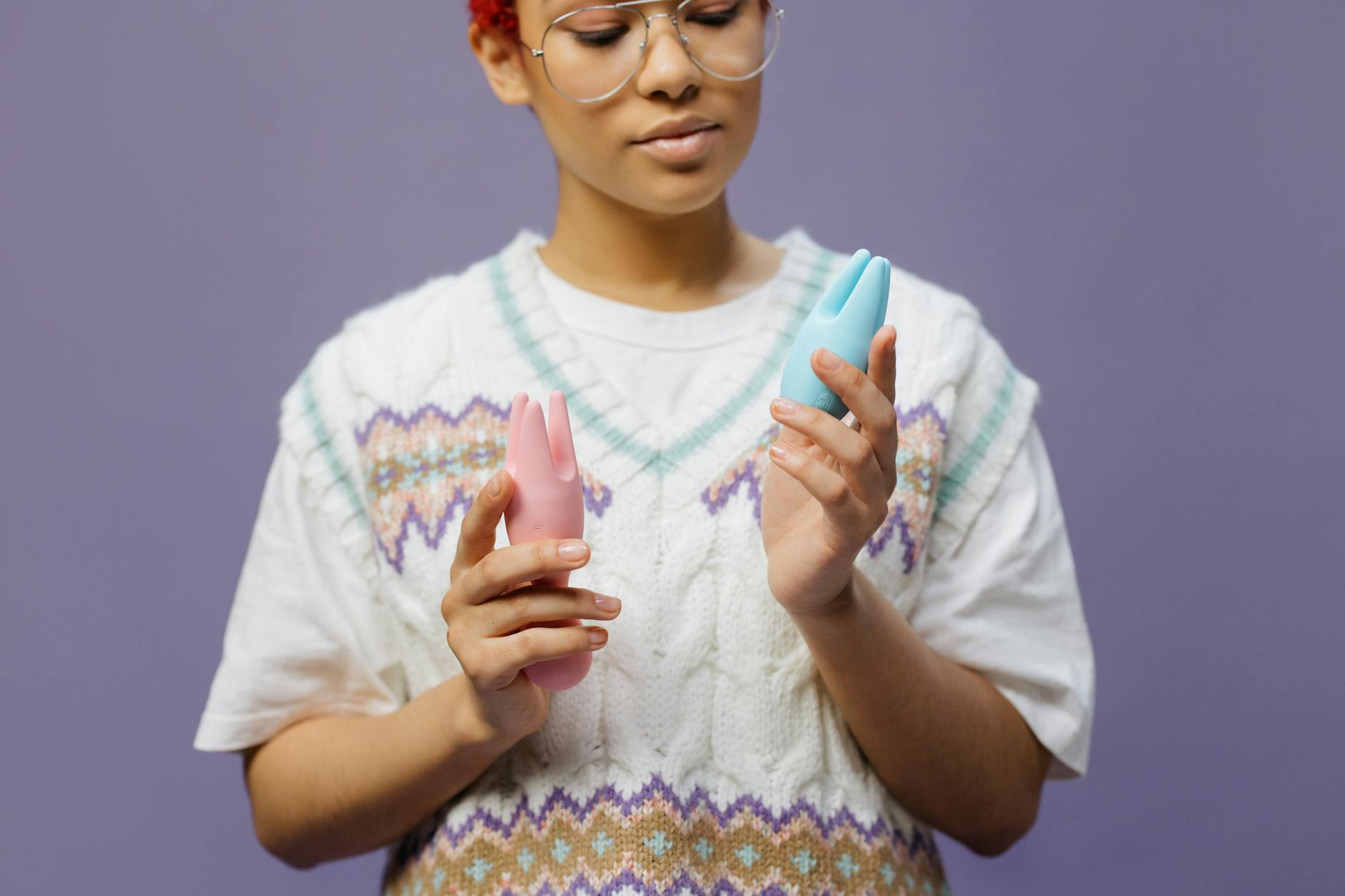
Age gaps don't kill desire. But they do shift the physical landscape. One partner might be moving through perimenopause or hormonal changes while the other is in their peak arousal years. Lubrication rates differ. Sensitivity changes. The time it takes to reach orgasm can stretch from minutes to 20 minutes or more. This isn't a problem. It's information. And once you have it, a lemon clitoral vibrator becomes a game-changer.
I've worked with hundreds of couples navigating this exact dynamic. The couples who thrive aren't the ones ignoring the differences. They're the ones who name them openly and then adjust.
Why age gaps create arousal mismatches
Let me break down what's actually happening physiologically. Testosterone levels peak differently across the lifespan. The older partner might have lower baseline testosterone, which can mean slower arousal and less urgent desire. The younger partner might be at peak hormone production, wanting sex faster and more frequently. Estrogen fluctuations in either partner can change lubrication speed and clitoral sensitivity. Pelvic floor muscle tone shifts with age, which changes how stimulation feels.
None of this means anybody's broken. It means your bodies are at different points in their cycles.
What typically happens in age-gap couples without a plan: the faster-arousing partner waits, gets frustrated, or feels rejected. The slower-arousing partner feels rushed, which slows them down even more. Desire becomes a source of friction instead of connection. A lemon vibrator interrupts that pattern because it adds a third factor into the equation. Suddenly neither person is waiting on the other.
How a lemon clitoral vibrator solves the speed mismatch
Here's the practical part. If the receiving partner needs more time or more direct stimulation to reach arousal, a lemon vibrator (or lem vibrator, as many call it) creates independence within intimacy. The penetrating partner can be present, can touch, can kiss, can focus on their own pleasure or simply on the shared experience. But the clitoral vibrator is doing its job independently. This removes the pressure that slows arousal in the first place.
For partners with lower testosterone or slower arousal patterns, lemon clitoral vibrators work particularly well because they don't require the guesswork of manual stimulation. They deliver consistent, targeted sensation. No pressure to reciprocate immediately. No watching a partner waiting.
For partners experiencing tissue changes or decreased sensitivity from hormonal shifts, the suction-based design of lemon adult toys means you're not relying on friction that might feel uncomfortable. You're engaging different nerve pathways. Many couples report that using a lemon sucker is the first time in years they've both experienced pleasure simultaneously.
The conversation that has to happen first
Before you bring a lemon sexual toy into the bedroom, you need to name what you've both noticed. Not as criticism. As observation. "I've noticed you like more warm-up time," or "I need you to know my arousal pattern has shifted." Make this a data conversation, not an emotional one.
Then talk about what each of you wants. Does the slower-arousing partner want more stimulation, more time, less pressure, or all three? Does the faster partner want to feel less responsible for someone else's pleasure, or do they want the mutual pleasure part to feel less stressful?
A lemon vibrator addresses almost all of these needs at once. But your partner needs to know why you're interested in it. "I want us to both feel good at the same time" lands very differently than "I don't like waiting."
How to integrate a lemon vibrator into your routine
Start with mutual exploration. Show your partner the lemon clitoral vibrator during foreplay when you're both already connected. Let them hold it. Let them see how it works. This isn't "surprise, I bought a toy." It's "I want to try something that might help us both feel better."
For the slower-arousing partner: start at lower intensities and let arousal build naturally. The lemon vibrator isn't a sprint tool. Use it for 5 to 10 minutes as part of foreplay, not as a shortcut. Your body will respond better to the buildup.
For the faster-arousing partner: this is where you get permission to enjoy your own arousal without managing someone else's. You can focus on what feels good for you without guilt.
Position matters too. If you're using a lemon vibrator during partnered sex, side-by-side or the receiving partner on top gives the best access and most control. The person using the vibrator should be the person whose body it's stimulating. Period. This isn't about watching your partner use a toy on you. It's about you having agency over your own pleasure.
The sensitivity and tissue conversation
If age-gap differences come with tissue thinning, decreased lubrication, or increased sensitivity, water-based lubricant plus a lemon clitoral vibrator is a reset button. The suction mechanism doesn't rely on friction. You're not grinding away at tissue that's already tender. You're engaging the clitoral nerve cluster in a way that works with your body's current state, not against it.
Start with lower pattern settings. Lem vibrators typically have multiple intensity levels. Begin at 1 or 2 and see what resonates. Your sensitivity isn't a problem. It's valuable information about what your body needs right now.
When to bring in outside support
If one partner is experiencing significant pain, numbness, or total loss of arousal capacity, a doctor's visit makes sense before jumping to toys. But once you've ruled out medical stuff, a lemon sexual toy becomes a tool for rebuilding confidence and pleasure.
If desire mismatches are tied to relationship resentment (not just biology), the toy won't fix that. That needs a conversation or sometimes couples counseling. But if the mismatch is purely about different arousal speeds or physical responses, a clitoral vibrator is genuinely transformative.
What changes when you stop fighting your bodies
I see this shift happen over and over. Couples arrive convinced they're incompatible. "She takes too long," or "He rushes," or "We're just at different life stages." Then they get specific. They get a tool that bridges the gap. And suddenly sex stops being a source of frustration and becomes something they're both excited about again.
Age gaps don't have to mean mismatched pleasure. They just mean you need better information and better tools. A lemon vibrator is the latter. The conversation is the former.
FAQ
Can we use a lemon clitoral vibrator if we're just starting to explore toys?
Absolutely. Lemon vibrators are intuitive and user-friendly. The suction-based design feels different from traditional vibrators, which can actually make them less intimidating for beginners. Start with lower intensity settings and treat it as part of foreplay rather than the main event. Your comfort matters more than speed.
What if my partner feels insecure about needing a vibrator?
Reframe it as a tool for both of you, not a replacement for anything. Many couples find that using a lem vibrator actually increases intimacy because both partners feel better and more relaxed. Make it clear that slower arousal or different sensitivity isn't a flaw. It's just your body's current reality, and the tool helps you meet each other there.
Does the age gap matter if we're both in our 40s?
Yes. A 10 or 15 year gap in your 40s can still mean one partner is approaching perimenopause while the other is in their prime. Hormonal timelines are individual, not universal. What matters is what you're both experiencing right now, not the numbers.
How often should we use the lemon vibrator for it to help?
There's no magic frequency. Some couples use it every time they have sex. Others use it occasionally when one partner needs more stimulation or feels less present. The point is that it's available when you need it, not that you're dependent on it. Think of it as another language in your sexual vocabulary.
Can we use lube with a lemon sexual toy?
Yes. Water-based lubricant actually enhances the suction experience and reduces any discomfort. This is especially important if age-related tissue changes mean you have less natural lubrication. Apply lube to the toy and your skin, then start. It'll feel smoother and more comfortable.
What if one of us wants the toy and the other doesn't?
That's a real conversation, not something a toy can fix alone. Start with curiosity instead of pressure. "What concerns you about this?" might reveal something about past experiences, body image, or relationship dynamics that needs attention. Sometimes the resistance has nothing to do with the toy and everything to do with feeling unseen in the relationship. Address that first. The toy comes later.