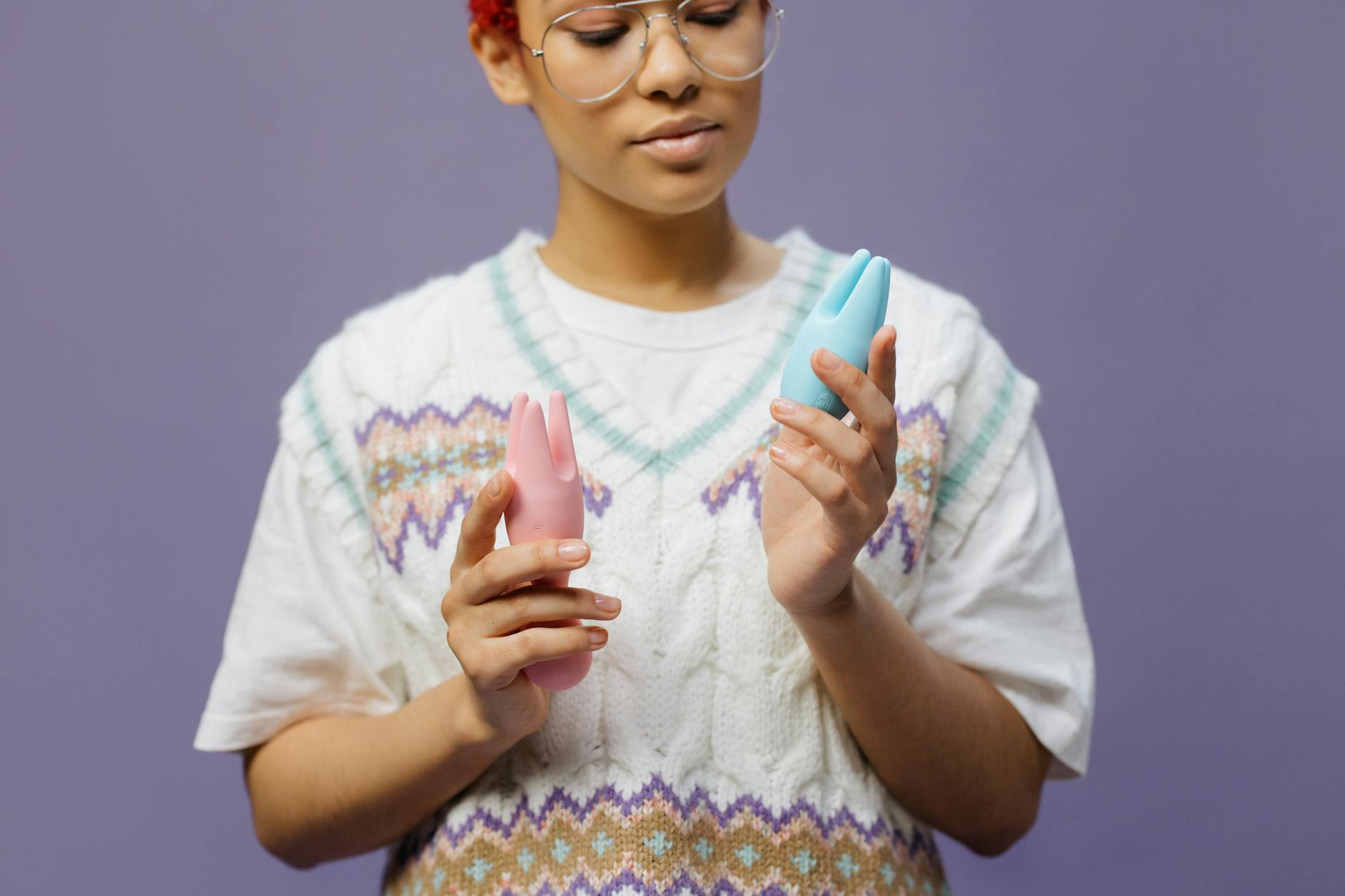
How to Use a Lemon Vibrator to Rebuild Intimacy After Infidelity
Let's be real: infidelity shatters more than trust. It fragments the body. Suddenly, touch that once felt safe now triggers a cascade of fear, anger, and numbness. The impulse to rebuild sex immediately is understandable. It's also wrong.
Physical reconnection after infidelity is less about passion and more about safety. And that's where a lemon vibrator becomes unexpectedly useful. It's a neutral third thing. It's not a replacement for emotional work (therapy is). It's a tool that lets couples practice vulnerability again without the weight of performance or the ghosts of what happened.
I've worked with dozens of couples rebuilding after infidelity. The ones who move fastest into resentment are the ones trying to immediately reclaim what they had. The ones who heal are the ones willing to start small, feel awkward, and rebuild pleasure as if they're learning it together for the first time.
The Nervous System Piece Nobody Talks About
When infidelity happens, the body goes into threat response. The nervous system is no longer sure that touch means safety. Oxytocin drops. Cortisol spikes. The person who was betrayed often becomes hypervigilant during sex, unable to fully relax because part of them is monitoring for signs of deception.
A lemon vibrator offers something crucial: control that belongs to the person who was hurt. With a clitoral vibrator like the Lem, the betrayed partner holds the device, sets the pace, and experiences pleasure on their own terms. Their partner isn't inside their body. They're present, watching, and learning that their job is to witness and support, not to drive the experience.
This shift is profound. It's the difference between "we're having sex" and "I'm rediscovering what I like while you're here." One rebuilds the nervous system. The other repeats the pattern.
Starting from Scratch (and That's Okay)
Most couples I work with are shocked when I suggest they don't have penetrative sex for a while. Usually they push back. Isn't sex supposed to help us reconnect?
Not after infidelity. Not yet.
Instead, I recommend what I call "sensation dating." You're together, you're vulnerable, you're exploring pleasure, but you're doing it with almost clinical attention to how your body feels and what your partner does with that information.
Here's the structure:
Week 1-2: Talking and touching (no devices). Spend time with clothes on, hands only. Hold hands. Touch your partner's arm or face. Notice what feels safe and what doesn't. This isn't foreplay. It's rebuilding the nervous system's baseline trust.
Week 3-4: Introducing a lemon sucker. The Lem is low-pressure to start. Begin with the person who was hurt holding it themselves. Their partner is present, maybe touching their arm or face, but the clitoral vibrator is the person's own tool. Start at levels 1-2. The goal is not orgasm. The goal is noticing that pleasure can exist in a safe body.
Week 5+: Increasing vulnerability. Only when the person using the lemon clitoral vibrator feels genuinely calm do you increase intensity or tempo. Some couples move to partner-guided stimulation here (partner holds the lem vibrator while the other partner directs). Others stay with solo use in the presence of a partner. There's no "right" timeline.
What a Lemon Vibrator Actually Offers Here
Unlike vibration, suction creates sensation without pressure. It feels like a different kind of touch entirely from anything the unfaithful partner could have offered elsewhere. That matters psychologically. It's unfamiliar, which means it's not tied to old patterns.
Second, the sensations are highly localized to the clitoral area. There's minimal full-body arousal early on, which means the person can stay conscious and tracking their own emotional state instead of being swept away by automatic arousal. This conscious pleasure is actually what builds safety.
Third, lemon vibrators are quiet. There's no performance aspect. You're not listening to a loud vibration. You're listening to each other. You're checking in. You're practicing the thing that actually heals infidelity: communication about needs without judgment.
The Conversation That Has to Happen First
Before you even touch a lemon vibrator, agree on what this means. Is this a step toward rebuilding your sexual relationship? Is this about reconnecting, or is it about the person who was hurt exploring pleasure again after trauma?
These are different intentions. Both are valid. But if you skip this conversation, you'll end up hurt.
I also recommend agreeing on a pause word. Not because lemon vibrators are risky (they're not). Because being able to stop, rewind, and check in teaches your nervous system that it's genuinely safe. The unfaithful partner gets to learn that they can pause too. That's part of rebuilding trust.
Infidelity isn't healed by sex. It's healed by the willingness to be vulnerable and stay present when vulnerability is terrifying.
When to Add Your Partner Back In
At some point, the person who was hurt might want their partner to be more directly involved in pleasure. This is a big step. It means vulnerability, which means fear. The unfaithful partner has to be prepared for this to be difficult.
Start with simple presence. Partner A holds the lemon vibrator while Partner B gives feedback ("softer," "more intensity," "here"). No assumptions about what feels good. No trying to reclaim your old dynamic. You're learning your partner again.
Some couples eventually move to mutual exploration with the lem vibrator. Others prefer the person who was hurt to keep agency over their own pleasure. Neither path is wrong. The goal isn't to replicate what you had before. The goal is to build something you both feel safe inside.
Red Flags That You're Not Ready
If either of you feels angry during intimacy, stop. Anger and desire can coexist, but not in the early stages of rebuilding. You're teaching your nervous system that touch is safe again. Anger sends the opposite message.
If the unfaithful partner feels punished or emasculated by the pace, that's information that you both need individual therapy first. This isn't about the lemon vibrator. It's about your partner not being ready to rebuild.
If the person who was hurt feels numb or dissociative during these moments, don't push forward. Talk to a trauma-informed therapist. Sometimes the body needs professional support to reregulate, not just a good toy.
The Reality Check
A lemon vibrator doesn't fix infidelity. Therapy does. Communication does. Real, sustained behavioral change does. What a clitoral vibrator does is create a container where two people can practice vulnerability and presence with much lower stakes than "let's have sex like we used to."
It's a bridge, not a destination.
Some couples rebuild full sexual passion within months. Others take years. Some find that infidelity actually breaks something that can't be glued back together, and that's information too.
What I know after years of working with couples is this: the ones who heal are the ones willing to slow down, feel awkward, and let pleasure be something you build together instead of something you reclaim. A lemon vibrator makes that possible.
FAQ
Can using a vibrator after infidelity actually help rebuild trust?
It's not the vibrator itself that rebuilds trust. It's the practice of being vulnerable, present, and communicative that a lemon vibrator enables. When a couple uses one intentionally (with clear consent, communication, and pauses), they're teaching their nervous systems that touch can be safe again. The vibrator is the vehicle, not the cure.
How long should we wait before trying a lemon vibrator after infidelity?
There's no fixed timeline, but I usually recommend at least four to six weeks of individual therapy and couples counseling before introducing any sexual tools. You need to understand why the infidelity happened and what patterns you're both committed to changing. Rushing into pleasure before that work happens often recreates the disconnection that led to the affair.
What if my partner feels threatened by using a lemon vibrator during this process?
That's extremely common. The unfaithful partner sometimes feels like they're being replaced or punished. The person who was hurt sometimes worries that pleasure from a device means they're healing "too fast" and forgetting what happened. These feelings are normal and worth discussing outside the bedroom. A therapist can help you both understand what's actually driving the resistance.
Can we use a lemon vibrator for partner-guided pleasure, or is solo use safer?
Both are valuable at different stages. Solo use early on gives the person who was hurt full agency and control. Partner-guided use comes later, when that person feels genuinely ready to let their partner participate in their pleasure again. There's no rush to transition between the two.
Should we tell our therapist we're using a lemon vibrator as part of rebuilding?
Absolutely. A good couples therapist wants to know what you're doing, how you're communicating around it, and what emotional responses come up. They can help you troubleshoot if things feel stuck or if old patterns start creeping back in.
What if the person who was hurt doesn't want physical intimacy for a long time?
That's completely valid and doesn't mean the relationship is over. Some people need months or years before they feel safe enough to be physically vulnerable again. This isn't something to push through with a lemon vibrator or any other tool. It's something to respect, honor, and work through with a trauma-informed therapist. Your partner's nervous system will heal on its own timeline, not yours.
Moving Forward
Infidelity is among the hardest ruptures a couple can survive. Rebuilding intimate connection takes courage from both partners and patience that feels impossible when you want things to feel normal again.
What I want you to know is that normal isn't the goal. Something better might be. Couples who rebuild after infidelity often report that their sexual connection becomes deeper, more honest, and more connected to real desire instead of habit or obligation. That's not a consolation prize. That's healing.
If you're starting this journey and you're not sure where to begin, reaching out to a couples therapist is the first step. A lemon vibrator comes much later, after the foundation is solid. But when that moment arrives, it can help you practice what rebuilding actually means: showing up, being present, and choosing vulnerability even when it's terrifying.
You've got this.