Let's be real about what happens after infidelity
Trust breaks. Bodies remember. And suddenly, the touch that once felt automatic now carries a question mark. You're not sure if you want it. Your partner is terrified of pushing. The bedroom becomes a minefield where everyone is tiptoeing, and the intimacy that was there before the betrayal feels locked behind a door neither of you quite knows how to unlock.
Here's what most couples don't understand: rebuilding physical intimacy after infidelity is not about going backward to what was there before. It's about building something new. And sometimes, that rebuild works better when you're not relying on the same patterns that got you here in the first place.
Why betrayal changes physical sensation
When someone is unfaithful, your nervous system registers it as a threat. Touch that used to feel safe now triggers a fight-or-flight response. Your body doesn't know whether to lean in or pull away. That's not psychological weakness. That's your nervous system doing exactly what it's supposed to do: protecting you.
Research on trauma and attachment shows that rebuilding physical safety after betrayal requires several things: clear communication, slower progression, and often, a recalibration of what intimacy even means for the couple moving forward. The partner who was unfaithful often needs to prove something. The partner who was betrayed needs to feel in control of how touch happens and at what pace.
This is where a lemon vibrator can actually become useful. I know that sounds counterintuitive. But hear me out.
Why external pleasure tools help rebuild trust
A lemon vibrator introduces a neutral third element into the dynamic. It's not your hands. It's not your body. It removes some of the triggering associations that can come with direct partner touch in the early stages of rebuilding.
For the partner who was betrayed, using a lemon clitoral vibrator together means you can experience pleasure without it being entirely dependent on your partner's touch. You're in control. You decide the pace, the intensity, the rhythm. Your partner is present and engaged, but they're not the source of the sensation. That distinction matters more than you might think.
For the partner who caused the infidelity, being present while their partner experiences pleasure via a lemon sexual toy like the Lem can be a powerful act of non-selfish participation. They're supporting your pleasure without it being about them. That's a different kind of intimacy than what they were chasing elsewhere. It's less performative. More about witnessing and supporting.
The practical rebuild starts here
If you're considering using a lemon vibrator as part of reconnection, start with explicit conversation first. This is not about surprising anyone or jumping straight to the toy. Talk about what pleasure could look like now. Ask what feels safe. Ask what felt wrong.
Then, if both people are open to it, introduce the vibrator in a low-pressure context. Not during full sexual activity. Maybe during a longer foreplay session where you're both clothed for part of it. The point is to add novelty and pleasure without the weight of "this is where we rebuild everything."
Many couples find that using a lemon clitoral vibrator together actually opens up conversations that were stuck before. Because you're focused on physical sensation rather than the fraught emotional territory of the betrayal itself, it can be easier to communicate. What feels good? What's too much? Can we try that again? These are simple questions that rebuild a different kind of trust. Trust in being heard. Trust in the desire to actually satisfy each other.
When to introduce it and when to wait
Timing matters wildly here. If you're still in the acute phase of the infidelity (days or a few weeks out), a vibrator is too early. You need basic repair first. Honesty, accountability, maybe a therapist. A lemon vibrator cannot fix infidelity. It cannot rebuild trust alone.
But if you've been working through the initial crisis, if you've had hard conversations about what happened and why, if both people are genuinely committed to rebuilding, then somewhere in the 3-6 month window, introducing something new can actually help. It signals that you're not trying to resurrect the past. You're building something different.
The person who was betrayed should have full veto power here. If a vibrator feels uncomfortable or triggering, respect that completely. There's no single path to rebuilding. Some couples find that simply taking sex off the table for a while and focusing on non-sexual touch and emotional intimacy is what they need. Others find that introducing novelty via a lemon adult toy like the Lem helps them move forward faster.
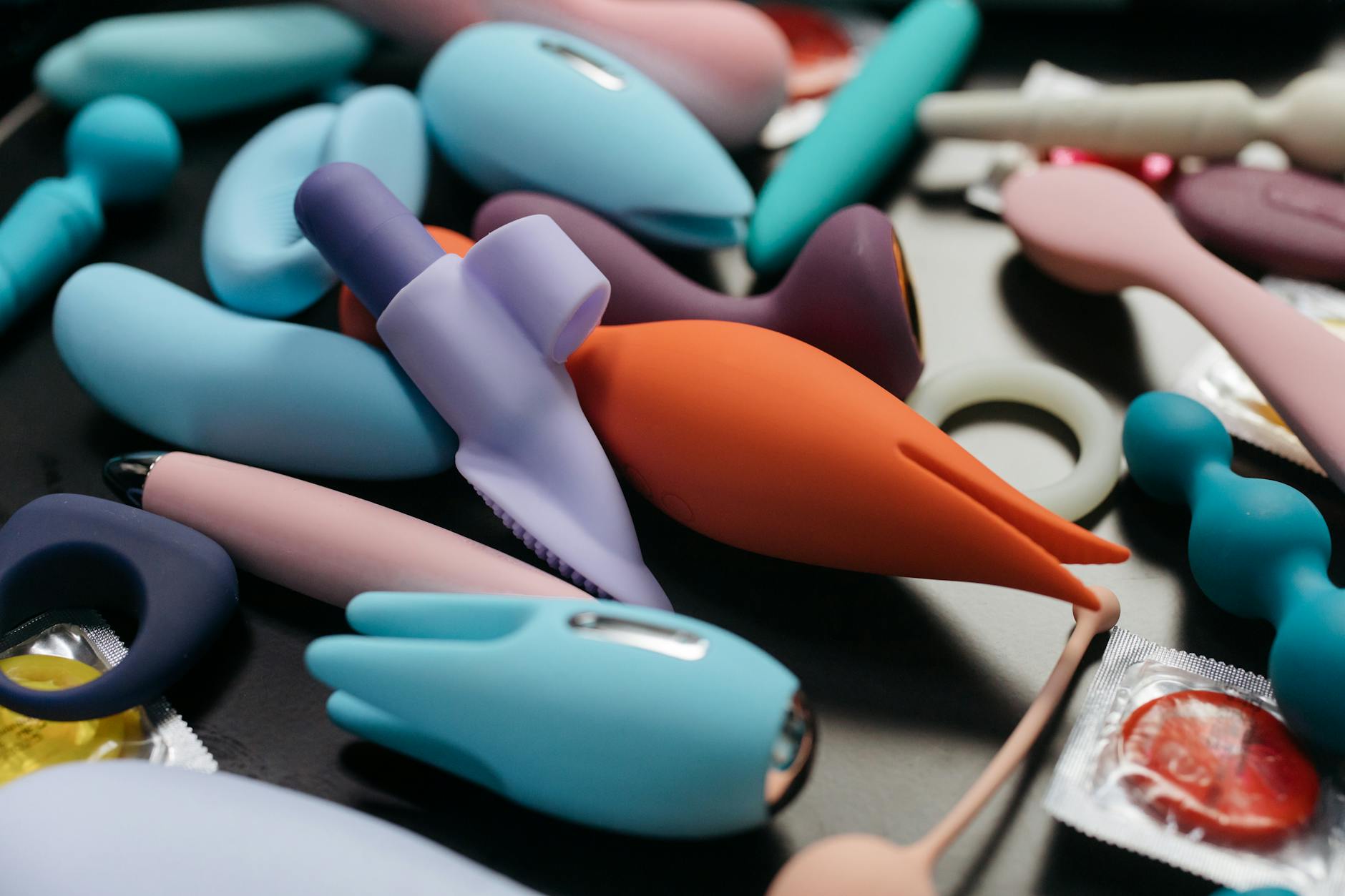
Photo by cottonbro studio on Pexels
The conversation is more important than the toy
Honestly, the lemon vibrator is secondary here. What matters is that you're talking about pleasure, desire, and boundaries in a new way. You're not assuming you know what your partner wants anymore. You're asking. That's the real shift.
Many couples who've worked through infidelity tell me that the reconnection process actually made their sexual relationship better than it was before. Not because of the toy. Because they finally stopped having sex on autopilot and started being intentional about it. They started asking permission. They started paying attention to what actually feels good rather than what they assumed should feel good.
If you're using a lemon clitoral vibrator as part of that process, great. Just remember that the vibrator is a conversation starter, not a problem-solver. It's a way to explore pleasure together in a format that feels a bit safer than what came before.
What to actually expect when you start
The first time you use a lemon vibrator together after infidelity is probably going to feel awkward. That's fine. Awkward is actually a sign you're being vulnerable together. It means you're trying something new, which takes courage.
Start with lower intensity settings. Don't worry about orgasm or any particular outcome. The goal is just sensation, presence, and communication. Does this feel good? Too much? Just right? These small check-ins rebuild a kind of attunement that infidelity disrupts.
If either person wants to stop, you stop immediately. No questions, no negotiation. That agreement itself is rebuilding trust.
When to bring in professional support
If you're both genuinely committed but the intimacy piece still feels stuck after a few months of effort, that's when a sex therapist can help. They're not there to judge you or prescribe solutions. They're there to help you understand what your bodies are telling you about the breach of trust and how to move forward authentically.
A good relationship therapist trained in infidelity recovery will talk with you about all of this openly. They can guide you on timing for physical reconnection. They can help you sort out what's genuine readiness versus what's people-pleasing. That professional perspective can mean the difference between a rebuild that actually works and one that's just going through the motions.
The harder truth
Sometimes, after infidelity, couples discover that they don't actually want to rebuild. The spark was already gone, and the betrayal just made it visible. That's not a failure. That's clarity. A lemon vibrator cannot force attraction that isn't there. It can only support the rebuilding process if the desire to rebuild is genuine on both sides.
But if you're both in it, if you're both willing to do the work, then yes. Pleasure matters. Sensation matters. Being intentional about intimacy matters. And sometimes, a new tool like a lemon sexual toy helps signal that you're not trying to go back. You're trying to go forward. Together.
FAQ: Using a Lemon Vibrator After Betrayal
How long after infidelity should we wait before using a vibrator together?
There's no universal timeline, but most couples need at least 2-3 months of active repair work before introducing new pleasure tools. That means therapy, honest conversations, and genuine recommitment. Jumping straight to a vibrator in week three is usually avoidance of the real work. Wait until you feel like you're actually moving toward each other again, not just away from the pain.
What if the partner who was unfaithful wants to use it and the other partner doesn't?
Their discomfort is valid. Introducing a vibrator requires enthusiastic agreement from both people. If one person is using it to pressure the other into physical intimacy before they're ready, that's another form of boundary-crossing. The person who was betrayed gets to set the pace here. Period.
Can using a lemon vibrator actually help us have better sex after infidelity?
It can be part of that process, but only if it's paired with honest communication and genuine effort to rebuild trust in other areas too. A vibrator creates novelty and can help you focus on pleasure instead of resentment for a moment. But the real fix is addressing why the infidelity happened in the first place. If the underlying issues aren't resolved, the vibrator is just a temporary distraction.
What if I still have panic attacks when my partner touches me?
A vibrator might actually help with that because it removes direct partner touch initially. But panic attacks are a sign you need trauma-informed therapy, not just a sex toy. Work with a therapist who specializes in infidelity and attachment trauma. They can help you rebuild the nervous system safety that betrayal damages. A vibrator can supplement that work, but it's not the primary tool.
Is it weird that I enjoy the vibrator more than my partner's touch right now?
Not weird at all. Your body might trust the vibrator more because it has no history of betrayal. It doesn't have hands that were elsewhere. That's a normal part of rebuilding. As trust repairs, your comfort with direct partner touch will likely increase. The vibrator can be a bridge during that process.
How do we talk about wanting to use a lemon vibrator without it feeling like criticism?
Frame it as exploration, not performance. Try something like: "I've been thinking about trying something new together. Not because what we have is broken, but because I want to rebuild this differently." Tie it to the rebuild narrative, not to what's lacking. Make it about moving forward together, not about fixing a problem your partner created. The partner who was unfaithful should also be the one bringing this up, not the person who was betrayed.
Moving forward
Rebuilding intimacy after infidelity is slow work. There's no shortcut, and a lemon vibrator is definitely not a magic fix. But it can be a tool that signals you're both committed to creating something new. Something where you actually communicate about pleasure. Something where you're both present. Something where you've decided the past doesn't get to control the future.
If that's where you are, then yes. A tool like the Lem can be part of that journey. Just make sure the real work is happening first. The conversations. The honesty. The willingness to be vulnerable again, slowly, together.