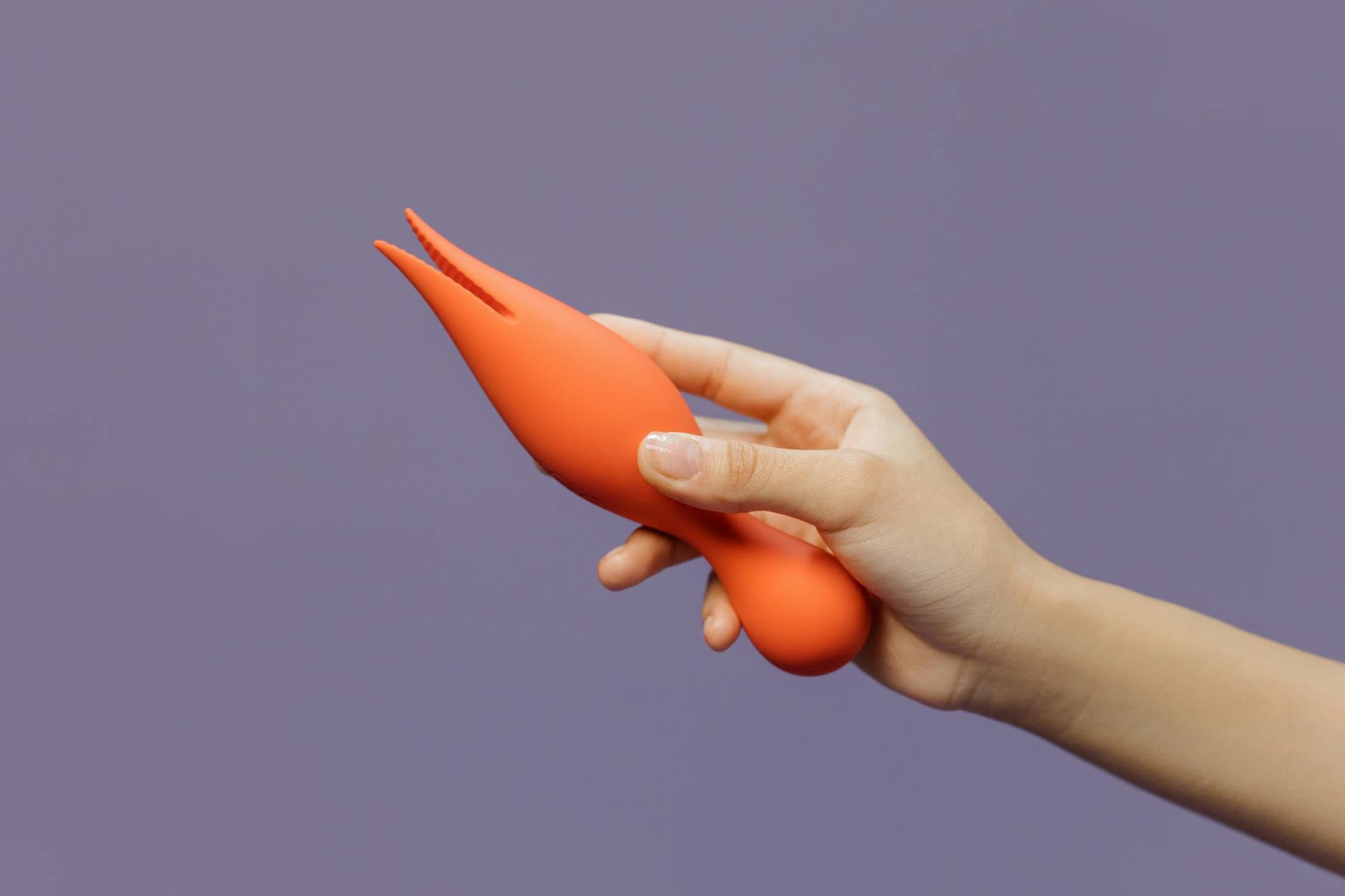
Let's start with the thing nobody mentions
Your antidepressant isn't broken. You're not broken. But your orgasm might be on pause, and that's actually a well-documented side effect that nearly half of people on SSRIs experience. Same goes for certain blood pressure medications, some hormonal birth control, and a handful of other common drugs. The sexual numbness is real. It's also reversible.
Here's what I tell my clients: medication keeps you alive and stable. That stability is the foundation. But reclaiming pleasure after medication blunts it isn't about stopping the meds. It's about rewiring your body's sensitivity and giving your nervous system permission to respond again.
That's where a lemon clitoral vibrator comes in. Not as a band-aid. As a tool for systematic reawakening.
How medication actually dampens sensation
SSRIs work by increasing serotonin in your brain, which stabilizes mood but also suppresses the sexual response cycle. Your arousal builds slower. Your body lubricates less. Orgasm either takes forever or doesn't arrive at all. Some people describe it as watching sex happen to someone else's body.
Other medications work differently. Beta-blockers reduce blood flow to your genitals. Hormonal birth control can shrink clitoral tissue and thin vaginal walls. But the end result is the same: a disconnect between your brain's desire and your body's ability to respond.
The good news is that sensation can return, often surprisingly quickly. Your body hasn't forgotten how to feel. It's just operating under a new neurochemical baseline.
Why a lemon vibrator works when medication mutes touch
A lemon clitoral vibrator's suction mechanism is fundamentally different from traditional vibration. Instead of shaking side to side, it pulses rhythmic pressure. For someone whose nerve sensitivity has been dampened by medication, this creates a stronger, clearer signal to the nervous system. It's harder to ignore. Your body has to pay attention.
That matters because medication-induced numbness often feels like your pleasure nerves are playing telephone with a bad connection. A lemon vibrator increases the volume on that signal. The suction mimics the sensation of oral sex, which research shows activates different neural pathways than direct vibration. That variety itself helps reset your body's responsiveness.
I had a client on sertraline who'd lost all sensation below the waist for eighteen months. She'd tried everything: position changes, longer warm-up time, different partners. What worked was committing to a lemon clitoral vibrator for ten minutes, three times a week, with no expectation of orgasm. Within four weeks, she felt something. Within eight, she orgasmed. What shifted wasn't the medication. It was her nervous system learning to recognize pleasure again.
Building the sensitivity reset routine
If you're recovering sensation after medication side effects, treat this like you're training a muscle. You're not going to fix numbness with a one-off session. Here's the protocol I recommend:
Start stupidly small. Use your lemon vibrator on the lowest setting for two to five minutes. Not to chase orgasm. Just to notice sensation. If you feel nothing, that's information, not failure. Your body is learning.
Build consistency before intensity. Three times a week beats twice as hard once a month. Regularity matters because you're retraining your nervous system to recognize arousal. Miss a week and you reset progress.
Add one variable at a time. If the lowest setting works, try level two next week. Don't change the time, the setting, and the location all at once. You need to know which change is waking up your body.
Separate arousal from orgasm. This is crucial. Most medication side effects kill orgasm before they kill arousal. If you can feel warmth, or tingling, or wetness, you've got arousal. Don't spend the session demanding orgasm. That kills pleasure faster than anything else.
I've seen clients recover full sensation within six to twelve weeks using this approach. Some take longer. Some combine it with talking to their doctor about adjusting the medication's timing (taking it at night instead of morning, for example) or switching to a different class of drug with fewer sexual side effects.
When to involve your partner in recovery
If you're in a relationship and medication has flattened your sexual response, your partner probably knows something has changed. The mistake most couples make is pretending nothing's wrong, which creates distance.
The conversation isn't "I need you to help me orgasm." It's "My body's responding differently because of medication. I'm working on rebuilding sensation solo right now, and I need you to know this isn't about you." That honesty often de-pressurizes the entire dynamic.
If your partner wants to be involved in your recovery, a lemon clitoral vibrator becomes a shared tool. They can apply it. They can be present while you explore your changing sensitivity. But the most powerful part is usually doing it alone first, rebuilding your relationship with your own pleasure before adding another person's energy.
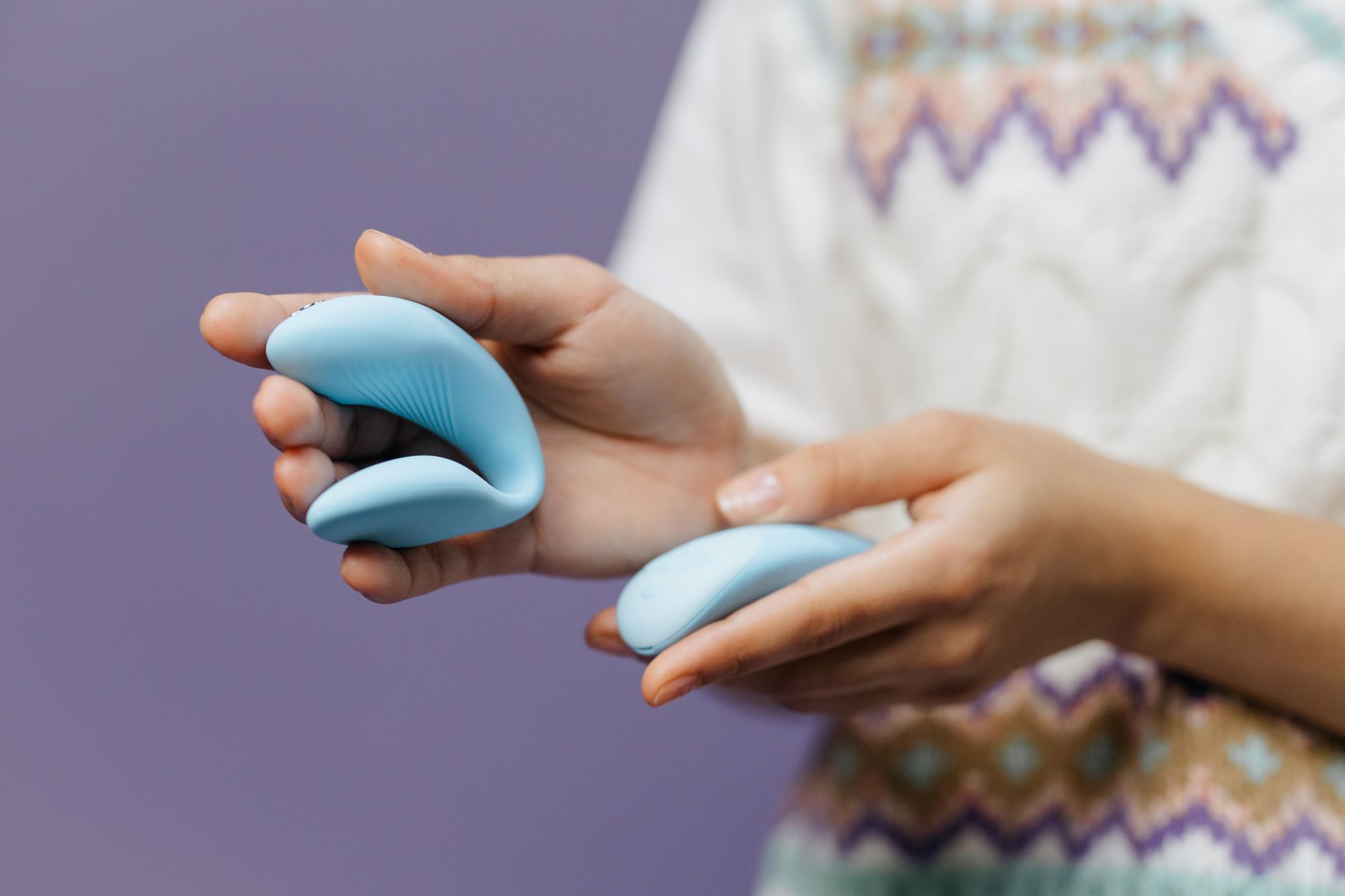
Photo by cottonbro studio on Pexels
The lemon sucker advantage for medication recovery
A lemon sucker (the lemon clitoral vibrator's core mechanism) applies targeted suction specifically to the clitoral glans, where nerve density is highest. When medication has muted your overall sensitivity, that concentration of sensation is invaluable. You're not trying to feel something diffuse across a large area. You're focusing all the stimulation on the most responsive tissue your body has.
That's why I recommend the lemon over other clitoral vibrators for medication recovery specifically. A standard vibrator spreads sensation. A lemon vibrator concentrates it. For someone relearning how to feel, concentration beats breadth.
Common hiccups and how to move past them
Feeling nothing after three weeks. That's actually normal. Your body might need more time, or your nervous system might respond better to a different pattern. Try alternating: two minutes on the lowest setting, then switch to your hand for two minutes, then back to the lemon. The contrast sometimes jolts the nervous system awake.
Orgasm feels strange or incomplete. Medication can change how orgasm actually feels, not just whether it happens. It might be quieter, shorter, or concentrated in a smaller area. That's not broken. That's adjusted. Give it two or three months before you decide it's permanent. Sensation does keep shifting.
Your medication might be the problem, not the tool. If nothing's shifting after twelve weeks of consistent use and your medication is relatively new, talk to your prescriber. Some people genuinely need to try a different drug. That's not failure. It's information. SSRIs, for example, have wildly different sexual side effect profiles. Switching from one to another sometimes changes everything.
The reset you're actually doing
Here's what nobody tells you about medication-induced sexual numbness: it's not permanent, but it also isn't going to fix itself passively. Your body isn't going to spontaneously wake up one morning and feel normal again. You have to actively remind your nervous system that pleasure is possible.
That's what consistent use of a lemon clitoral vibrator does. It creates a repeated signal that says: arousal is possible, sensation is possible, your body can feel good. That repetition rewires the neural pathways that medication has quieted. It's not magic. It's neuroscience.
If you're on medication that's flattened your pleasure, you didn't choose that side effect. But you can choose how you respond to it. A lemon vibrator, plus patience, plus consistency, plus potentially a conversation with your doctor about your options, often gets people back to a place where sex feels like something that happens to them, not something they're watching from behind a window.
People also ask
Can you use a lemon clitoral vibrator while on antidepressants?
Absolutely. A lemon vibrator doesn't interact with your medication. What it does is apply stronger stimulation to receptors that the medication has dulled. For many people on SSRIs, using a lemon clitoral vibrator actually makes the recovery faster because the suction mechanism creates a clearer signal than traditional vibration.
How long does it take to recover sensation after starting a lemon vibrator?
There's no universal timeline. Some people feel a difference in two to three weeks. Others take two to three months. The variables include how long you've been on the medication, which medication it is, your baseline sensitivity, and how consistently you use the tool. Think in terms of eight to twelve weeks as a reasonable expectation, not a promise.
Does using a lemon sucker too much make the numbness worse?
No, but overuse can create local irritation if you're not using lubrication or if you're using the highest setting repeatedly. That's a skin issue, not a nerve issue. Water-based lubricant solves it. The actual nerve retraining benefits from consistency more than intensity. Three times a week at setting one beats once a week at setting four.
What if my partner wants to help me recover sensation with a lemon vibrator?
That can work beautifully, but start solo first. Using it alone lets you learn what your body actually feels without the pressure of performing or worrying about your partner's expectations. Once you've rebuilt some sensation by yourself, bringing a partner into that experience can deepen reconnection. But the foundation should be private.
Is medication-induced numbness a sign I should quit my antidepressant?
No. Your medication is keeping you stable. Stopping it to recover sensation usually backfires because the depression returns, which kills pleasure harder than the medication does. Instead, talk to your prescriber about timing (taking it at night, for example), adjusting the dose, or switching to a different drug in the same class that has fewer sexual side effects. Solutions exist within the medical framework.
Can a lemon clitoral vibrator help if I'm on multiple medications that affect sensation?
Yes, though the timeline might be longer. Your nervous system has more to reset. Start with shorter sessions, be more patient with the timeline, and definitely have that conversation with your doctor about whether any of your medications can be adjusted. Sometimes the combination is the issue, not the individual drugs.
The recovery is real
Medication side effects are a legitimate loss. Your body's sexual response mattered before the numbness, and it matters now. The goal isn't to get back to exactly how things felt before the medication. That's often not possible, and chasing it creates frustration. The goal is rebuilding sensation and pleasure within your new neurochemical reality.
A lemon clitoral vibrator is one of the fastest tools for doing that. Consistent, patient use, ideally paired with a conversation with your prescriber about your options, can get you back to a place where pleasure feels like a real possibility again. Not in a week. Not in a month. But in a timeline that's actually achievable.
If you're dealing with this, your body isn't broken. It just needs permission to wake back up. For many people, that's exactly what a lemon vibrator provides.