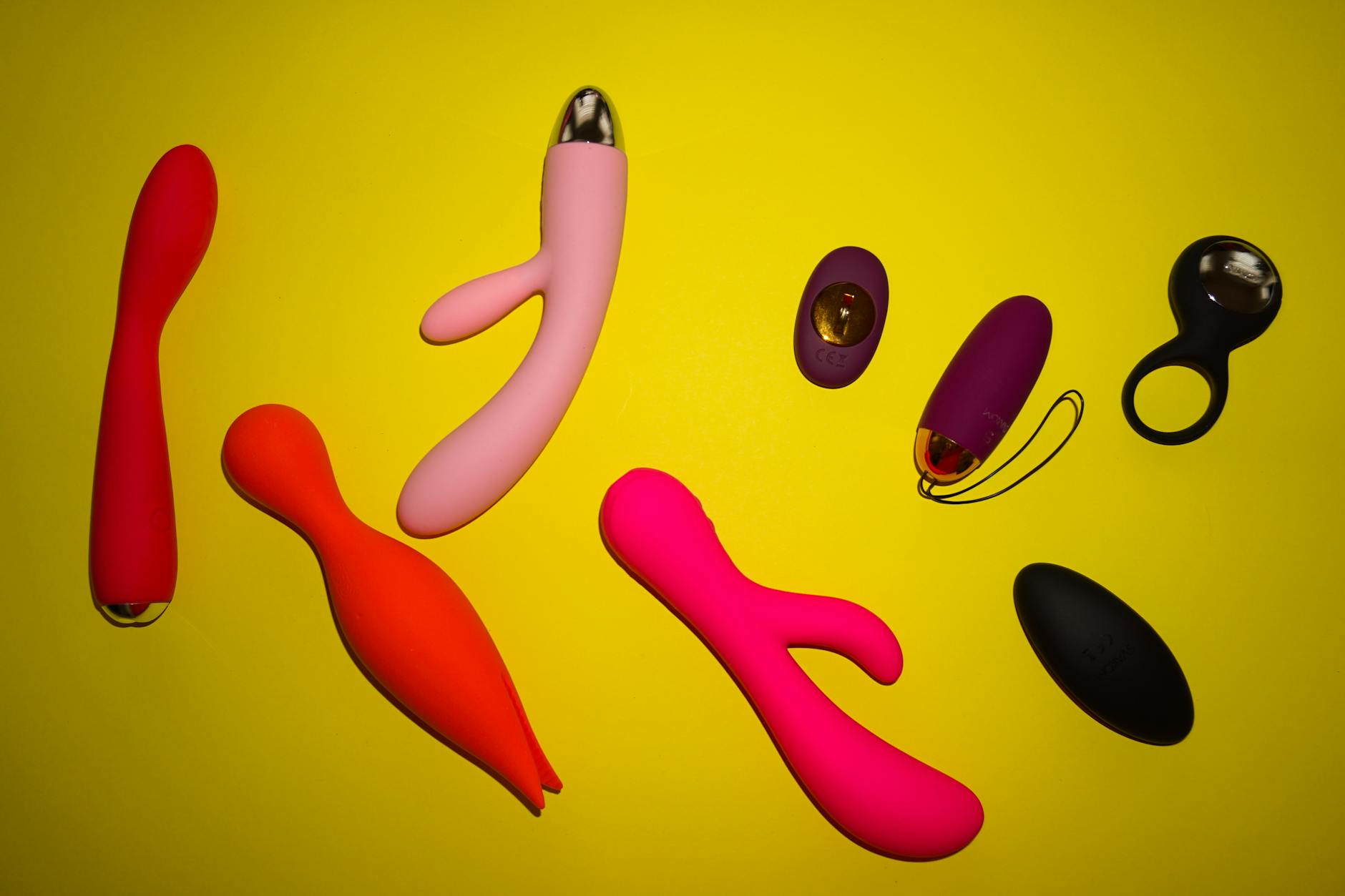
How to Use a Lemon Vibrator for Better Sensitivity After Surgery
When your body is healing, pleasure shouldn't feel risky. Here's why lemon clitoral vibrators are gentler on post-surgical tissue and how to rebuild sensation safely.
Surgery changes your body. It changes how sensation feels, what feels safe, and whether pleasure feels possible at all. The medical team sends you home with a recovery timeline, but nobody hands you a map for rebuilding intimacy after you've been cut open, stitched, and told to rest.
Honestly? That part of recovery matters just as much as the physical healing.
If you've had pelvic surgery, gynecological procedures, or any abdominal work that affects the vulva or surrounding tissue, returning to pleasure is a real part of getting your life back. And lemon vibrators, specifically their suction-based design, often work better than traditional vibration during this phase. Here's why, and how to do it safely.
When tissue heals, it's tender. Scar tissue forms. Nerves wake up in unexpected ways. Blood flow is still normalizing. Direct friction from a traditional vibrator can feel jarring, overstimulating, or even painful on healing tissue because the vibrations concentrate force on a small point.
Lemon clitoral vibrators work differently. They use gentle suction instead of rapid vibration. Suction distributes pressure across a wider area and creates a softer, more diffused sensation. For post-surgical bodies, that's often the difference between pleasure that feels nourishing and pressure that feels invasive.
Your nervous system is also recalibrating. Surgery is trauma, even when it's necessary. Your body may be in a heightened state of alert. A more gradual, gentler approach to stimulation helps your nervous system realize that pleasure is safe again.
The question "when can I have sex or use toys again" has a medical answer and a practical answer. Most surgeons clear you for penetration around 4-6 weeks post-op, depending on the procedure. But readiness and clearance are different things.
I recommend waiting at least two weeks after your medical clearance before introducing any vibrator, even a gentle lemon sucker. Here's why: your tissues need time to finish forming stable scar tissue. Early stimulation can disrupt healing or cause re-bleeding. Patience at this stage prevents setbacks that would extend recovery by months.
Start with external, non-penetrative stimulation only. The clitoris is less vulnerable to deep tissue damage than internal structures, but it's still healing. If you had gynecological surgery specifically, follow your surgeon's guidelines on what areas are off-limits.
When you do start: once or twice a week is plenty. More is not better. You're not training your body; you're gently asking it if pleasure is possible again.
Start at the lowest intensity setting, always. On a lemon vibrator, this usually means pattern one or two. If your toy has a range of 1-10, you're looking at 1-2. This seems cautious, but it's not. Your tissues are hypersensitive right now. What felt medium before surgery will feel intense now.
Begin with external stimulation only. Hold the vibrator near the clitoris, not directly on it. Most healing tissue benefits from indirect contact. You're warming up nerve endings and blood flow, not going for an orgasm. Think of this phase as foreplay for your own body.
Use water-based lubricant, even if your body is making its own. Post-surgical tissue is often thinner and drier than usual. Lubrication reduces friction and makes every sensation feel softer. It also helps you move the vibrator smoothly without accidentally dragging across scar tissue.
Keep sessions short. Five to ten minutes is plenty. You're not aiming for climax here. You're gathering information about what your body can tolerate and what actually feels good. Stop before you feel tired. Stop definitely before you feel any pain, pressure, or unusual sensation.
Some discomfort is normal. A little ache, a mild burning, mild tenderness. That's part of healing. But sharp pain, sudden bleeding, increased swelling, or any sensation that makes you hold your breath is a signal to stop immediately and check in with your surgeon.
If you notice increased discharge, discharge that smells unusual, or discharge that's heavier than normal, ease back. Your body might be telling you it's not quite ready. Healing isn't linear.
Don't push through discomfort in hopes that it will feel better the next time. It won't. Post-surgical pleasure is built on trust with your own body. If something hurts, you've broken that trust. Rebuilding it means stopping when it hurts, not pushing through.
Traditional vibrators use rapid oscillation. They're great for bodies in full health, but post-surgical tissue finds that rhythm jarring. The suction mechanism in a lemon vibrator creates a slow, pulsing sensation that mirrors the body's own rhythms more closely.
Air-suction toys are also quieter and less intense than wand vibrators or bullet vibrators, which means less overstimulation. You're healing psychologically too. That sense of control, of gentleness, of not forcing anything, is part of reclaiming pleasure after your body has been through something difficult.
If you eventually want to explore other toys as you heal, that's fine. But starting with a lemon clitoral vibrator gives your body the best foundation. You're not fighting against the device; the device is working with your nervous system.
Surgery can hit your sexuality hard, even when the surgery was necessary and successful. Your body feels less familiar. You might feel less desire, or you might feel desire but worry it's not safe to act on it. You might feel disconnected from pleasure, or you might feel embarrassed by that disconnection.
This is normal. And it's also why rebuilding intimacy matters. Pleasure isn't a luxury. It's part of feeling at home in your own body again.
If you're with a partner, bring them into this slowly. Tell them you're starting to explore sensation again, and that you might need to go slow. Let them know which areas are still healing and which are okay to touch. This becomes a conversation, not a guessing game.
If you're solo, give yourself permission to be curious without expecting results. Some sessions will feel great. Some will feel neutral. Some will feel like nothing happened. All of that is data, not failure.
Over the next 8-12 weeks, your body will recalibrate. Sensation will sharpen. What felt too gentle might start feeling just right. What felt intense might become manageable. You might discover new preferences you didn't have before.
This is also normal. Surgery changes us. Sometimes in ways we didn't expect, including in how pleasure feels. Honor that. Let yourself evolve into whatever your body needs next.
Keep checking in with your surgeon if anything feels wrong. And give yourself credit for this part of recovery. Rebuilding pleasure after surgery takes courage, patience, and a willingness to listen to your body. That's worth the time it takes.
No. Medical clearance and tissue readiness are different. Most surgeons clear you for penetration around 4-6 weeks, but I recommend waiting an additional two weeks before introducing vibration. This gives scar tissue time to stabilize. Start with gentle external stimulation only, and choose lower intensity. If you're unsure, ask your surgeon specifically about toy use, not just penetration.
Yes. Traditional vibrators use rapid oscillation, which concentrates force and can feel jarring on healing tissue. Lemon clitoral vibrators use gentle suction that distributes pressure across a wider area. This mimics the body's natural rhythms better and feels less invasive. For post-surgical bodies, that difference is significant.
Stop immediately. Some spotting is possible if you've disrupted very early scar tissue, but active bleeding isn't normal. Rest for a few days, then contact your surgeon before trying again. Bleeding usually means tissue needs more time to heal. This isn't failure; it's information.
Once or twice weekly is enough to start. More frequent use doesn't accelerate healing. You're gathering information about what feels safe, not training your body. As you heal and sensation normalizes, you can increase frequency if you want to. Listen to your body, not a schedule.
Not yet. Scar tissue that's painful to touch needs more healing time. Using vibration on it will likely create more irritation. Work with a pelvic floor physical therapist who can help soften the tissue safely. Once it's less tender, you can gradually reintroduce gentle stimulation. Healing is the priority; pleasure comes after.
Often, yes. But "normal" might look different. Some people regain exactly what they had before. Some discover their body has new preferences. Some find that sensation takes months to fully sharpen. All of these are normal outcomes. If sensation hasn't improved significantly after 6-12 months, talk to your surgeon or a pelvic floor specialist. Sometimes additional support helps.
Recovery is a process. Pleasure is part of that process, not separate from it. A lemon vibrator designed with suction in mind gives your healing body the gentlest path back to sensation. Go slow, listen carefully, and trust that your body knows what it needs. You'll get there.