
The thing nobody tells you about antidepressants and sex
Antidepressants work by changing how serotonin moves through your brain. That's also exactly how they numb pleasure. Your desire doesn't vanish because you're depressed or broken. It vanishes because the medication is doing its job, just not in the way you'd hoped. The irony is brutal: the thing that saved your mental health may have quietly shut down your ability to feel aroused, to orgasm, or to experience sensation the way you used to.
When you stop taking SSRIs (selective serotonin reuptake inhibitors) or SNRIs (serotonin-norepinephrine reuptake inhibitors), something shifts. Not immediately. Not dramatically. But over weeks and months, your nervous system begins to wake up again. That's when a lot of people realize exactly how much they'd lost.
What actually happens when you come off antidepressants
The first 2 to 4 weeks after stopping are transition weeks. Your brain is recalibrating. Serotonin receptors that have been occupied by medication are suddenly emptying out, and your natural serotonin production takes time to ramp back up. This period can feel uncomfortable. Some people experience brain fog, irritability, or emotional sensitivity.
Sexually, this is when things get interesting. Your clitoris and genital tissue have nerve receptors that respond to both serotonin and dopamine. When medication was suppressing those signals, arousal felt muted. Think of it like turning down the volume on a song you love. The song is still playing. Your body is still capable of responding. But you couldn't hear it clearly.
As your brain chemistry rebalances, that sensitivity starts returning. For some people, it returns in weeks. For others, it takes 8 to 12 weeks or longer. This isn't linear. You might feel a flash of your old arousal one day and then nothing for a week. That's normal. Your nervous system is relearning.
Why sensitivity takes time to fully return
Three neurological factors are at play:
Serotonin receptor regeneration. The receptors in your brain that respond to pleasure don't just switch back on. They need time to resensitize. This process happens gradually, and you can't rush it with willpower or the right toy, though the right toy helps.
Dopamine rebalancing. Antidepressants don't just suppress serotonin. They also affect dopamine, which drives desire and reward seeking. Your brain's dopamine pathways have been quiet. They're waking up, but they're sluggish at first.
Pelvic floor retraining. Even though your brain is changing, your pelvic floor muscles may have become tense or underactive from months or years of not using them. Pleasure requires a conversation between your brain and your pelvic floor. If one side has gone quiet, the other gets confused.
This is where a lemon clitoral vibrator becomes useful. Not as a shortcut to feeling normal again, but as a way to remind your nervous system what sensation feels like while you're healing.
How the lem vibrator helps during the rebalancing phase
Unlike traditional vibration, the Lem uses suction and rhythmic pulse to stimulate the clitoris. This matters during post-antidepressant recovery because suction works differently than vibration on tissue that's been desensitized.
Vibration is, technically, a series of small movements happening very fast. If your clitoris is numb, fast movements can feel like nothing. Suction, by contrast, creates sustained pressure and release. Your nervous system registers that more easily, especially when sensitivity is low.
Start at the lowest intensity. The Lem has four settings. Begin at level 1 or 2. Your clitoris is relearning what pleasure feels like, and overwhelming it helps nothing. Spend time at each level. There's no race.
Many people come back to using a lemon clitoral vibrator and report that they don't orgasm on the first few tries. That's not failure. You're reestablishing the neural pathway. Every session is data your brain is collecting about what sensation feels like again.
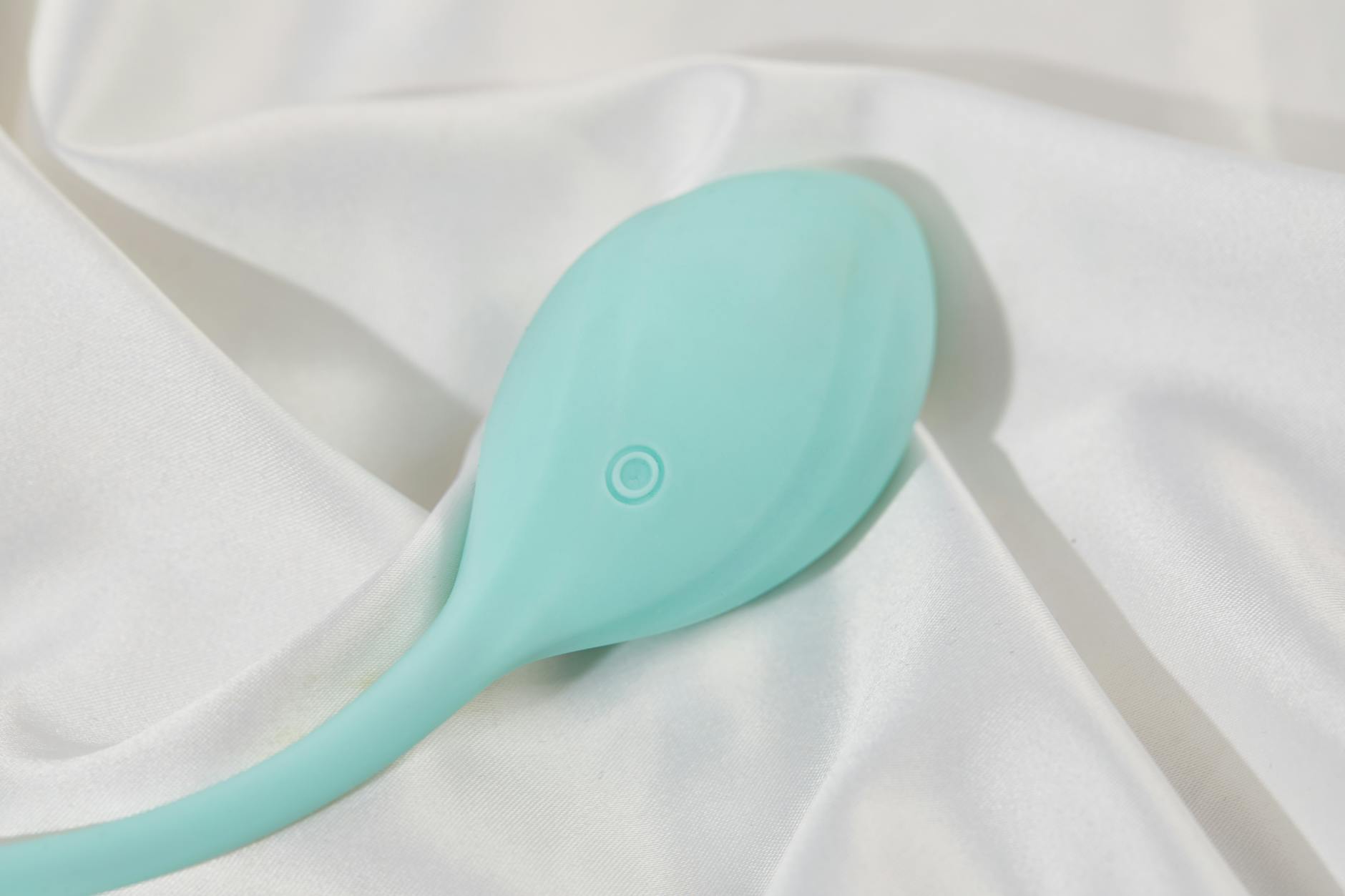
Photo by IFONNX Toys on Pexels
The emotional side of reclaiming pleasure
Here's the part therapists talk about but that doesn't get nearly enough attention: pleasure recovery after antidepressants is often emotionally complicated. You might feel grief. You lost months or years of sexual sensation. You might feel angry at your body for needing medication in the first place. You might feel shame for struggling with desire even after you stopped the pills.
All of that is real and worth acknowledging. But it's separate from whether your body is capable of pleasure again. And it is capable. Your tissue is fine. Your nerve endings are intact. Your brain is healing.
If you're with a partner, this is worth talking about. The goal isn't to get back to how things were before medication. The goal is to discover what pleasure feels like now. Sometimes that's different. Sometimes it's actually better, because you approach it more intentionally.
If you're solo, give yourself permission to explore without a timeline. There's no "should" for how long it takes. Some people feel fully responsive within 6 to 8 weeks. Others need 4 to 6 months. Both are completely normal.
Three practical shifts that accelerate sensitivity recovery
First, separate foreplay from intercourse, or foreplay from partnered sex if you use a partner's body instead. When you're recovering sensation, the goal is to learn what your body feels like without the pressure of "performing" toward a specific outcome. Solo sessions with a lemon vibrator are incredibly useful. You're not managing a partner's experience. You're just feeling.
Second, lengthen your warm-up time. Arousal after antidepressants takes longer to build. Your body needs time. Plan for 20 to 30 minutes of stimulation before expecting any sensation shift. This isn't about willpower. It's about giving your nervous system the runway it needs.
Third, use a vibrator consistently. Three times a week is a good starting point. This trains your nervous system. Regular input teaches your brain that pleasure is safe again. It also helps your pelvic floor muscles remember their role. Consistency beats intensity.
When to check in with your doctor
If 12 weeks have passed and you feel zero change in arousal or sensation, mention it to whoever prescribed your antidepressants. Sometimes people benefit from a different medication class. SSRIs have a high rate of sexual side effects. Bupropion (Wellbutrin), by contrast, often increases libido. If you need medication for your mental health, you deserve one that doesn't also suppress your sexuality.
Also flag it if you're experiencing pain during stimulation or sex. That's different from numbness. Pain can indicate that your pelvic floor is very tense, and a physical therapist who specializes in pelvic floor work can help in ways a vibrator can't.
When solo play shifts back to partnered sex
There's no single right time. But here's a useful threshold: when you can reliably feel pleasure sensations (even if orgasm hasn't returned) during solo time with a lemon clitoral vibrator, you're probably ready to try with a partner.
Start slowly. If you used the Lem solo, you know what your body responds to. With a partner, communicate that. "I need more time" is a complete sentence. "Start at the lowest intensity" is helpful data. Your partner isn't trying to "fix" you. They're trying to connect with you as your nervous system heals.
Some people find that partnered touch feels very different from vibrator use. That's okay. Your clitoris has many kinds of nerve endings. The Lem activates some of them. Fingers activate others. Tongue activates still others. You're not comparing sensations. You're layering them back in as you recover.
FAQ
How long until I can orgasm again after stopping antidepressants?
It varies widely. Some people regain orgasmic capacity in 4 to 6 weeks. Others need 3 to 6 months or longer. There's no standard timeline. What matters is that you're noticing any change in sensation at all. Progress isn't always obvious until you look back.
Can I use a lemon sexual toy while I'm still on antidepressants?
Yes, absolutely. Some people use them for sensation play or to stay connected to their body even when arousal and orgasm feel blocked by medication. It's not a waste of time. You're maintaining a relationship with your body while your brain chemistry is stabilizing.
Does the lemon suction intensity matter for sensitivity recovery?
Starting low is key. Your desensitized clitoris needs gentle reintroduction. The Lem's intensity levels exist for this reason. Jumping to level 4 when you're recovering is like turning the volume up to maximum when you're trying to hear a whisper. Start at 1 or 2. Move up only when level 1 consistently produces clear sensation.
What if I still don't feel anything after 3 months?
Mention it to your doctor. Persistent anhedonia (the inability to feel pleasure) is sometimes a sign that your antidepressant dose was very high or that you need support rebalancing. This isn't about the vibrator failing. It's about getting medical guidance. Some people also benefit from working with a therapist to untangle any shame or performance pressure that's lingering.
Can using a lemon vibrator too much slow down my natural sensitivity recovery?
No. Regular stimulation actually supports recovery. It tells your nervous system that arousal is safe and normal. Consistency is protective, not risky. That said, if you're using a vibrator and feeling increasingly numb, that suggests your clitoris needs a break. Take 3 to 5 days off. Sometimes rest is what resets sensitivity.
Should I tell my partner I'm using a lemon clitoral vibrator for recovery?
That's your call. Some couples find that openness deepens connection. "I'm rebuilding sensation as my brain rebalances, and this tool helps" is honest and clear. Others prefer to keep solo recovery private and return to partnered sex once they feel more connected to their own pleasure. Both approaches are fine.
You're not broken. You're healing.
Antidepressants work. They saved lives and they probably saved yours. The sexual suppression that came with them was a real cost, but it was a cost you made a conscious choice to pay for your mental health. That choice was right.
Now you're moving into a different chapter. Your nervous system is waking up. Your body is relearning what pleasure feels like. That process is slower than you might want it to be. It's also completely normal and completely reversible.
A lemon vibrator isn't a magic fix. But it is a useful tool for reminding your clitoris what sensation feels like while your brain chemistry stabilizes. Use it consistently. Be patient with yourself. And trust that the arousal and pleasure you thought you'd lost are actually just dormant, waiting for the right conditions to come back online.
If you have questions about navigating pleasure recovery or rebuilding intimacy after a major health transition, reach out. That's what we're here for.