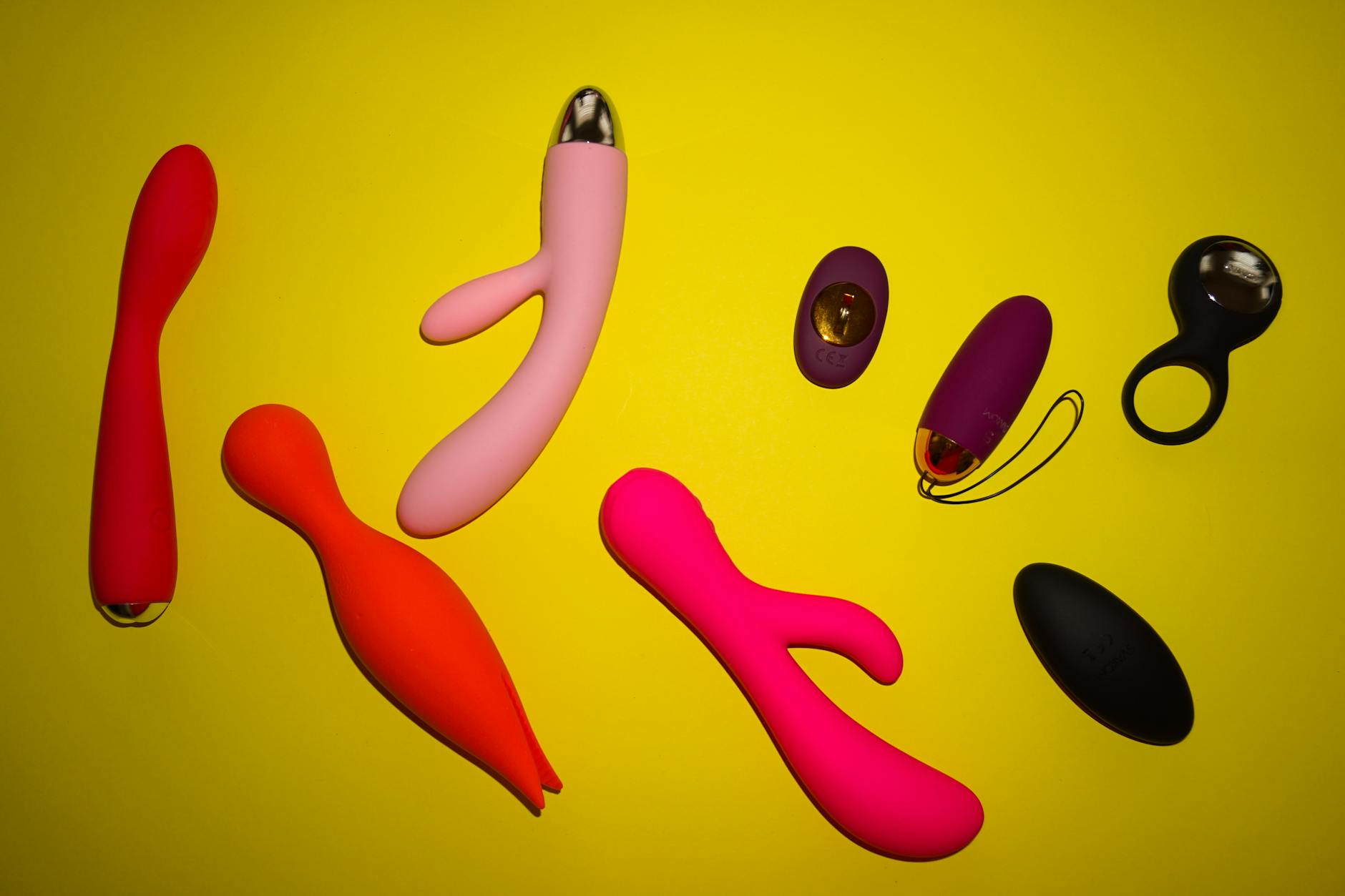
Let's name the thing that no one talks about
Recovery has a timeline in your head. Therapy ends, medication stabilizes, the breakup anniversary passes. You expect to feel better by then. You expect your desire to return on schedule, your body to cooperate, your pleasure to slot back into your life like it was never gone.
It doesn't always work that way.
Sometimes recovery is slower than the textbooks promise. Sometimes your clitoris feels numb even after weeks of healing. Sometimes you're ready emotionally but your nervous system is still running a trauma response. Sometimes you're doing everything right and it still takes longer. That's not failure. That's being human.
Why timeline misalignment happens
There are a few reasons why your pleasure recovery might not match your recovery timeline.
First, the nervous system heals on its own schedule. After trauma, grief, chronic stress, or medical procedures, your body's arousal circuitry literally needs time to recalibrate. Cognitive recovery (the story you tell yourself about what happened) and physiological recovery (your body's ability to register and respond to sensation) don't run on the same clock. You can feel mentally ready and still have a body that's defensive.
Second, some medications take months to fully leave your system. Even after you stop an SSRI, some people notice muted sensation lingering for 8, 10, sometimes 16 weeks. That's not unusual. That's pharmacology.
Third, trauma lives in the body. A single bad sexual experience, a health scare, a pattern of disconnection with a partner. Your nervous system categorizes these as threats, and arousal is incompatible with threat detection. You can know logically that you're safe. Your body might need proof, and proof takes time.
The difference between pushing and inviting
Here's where most people get stuck: they treat slow recovery like a problem to solve quickly. They think a lemon clitoral vibrator or any tool is a shortcut.
It's not. It's an invitation.
There's a huge difference between "I should be turned on by now" and "I'm curious what my body needs today." The first one is forced. The second one is open. A clitoral vibrator works best when you're genuinely curious about sensation, not when you're trying to hit a deadline.
If you're using a lemon vibrator to prove you're healed, you'll probably feel disappointed. If you're using it to gently ask your body what it's interested in, you might be surprised what happens.
Building a recovery-paced practice
I recommend starting with what I call "sensation exploration" rather than "pleasure sessions." They sound similar. They're completely different.
Sensation exploration means: no goal, no timeline, no expected outcome. You turn on your lemon vibrator at the lowest setting and move it around slowly while you're in a comfortable, safe space. You're not trying to orgasm. You're not trying to feel aroused. You're watching what happens. Does it feel numb? Overwhelming? Interesting? All of the above at different times.
This practice works because it removes the pressure. Your nervous system can relax when there's nothing to achieve. Paradoxically, that's when sensation often returns.
Start with 5 minutes, 2 or 3 times a week. Not daily. Frequent small exposures often work better for trauma recovery than occasional intense ones. Your nervous system gets a chance to process between sessions.
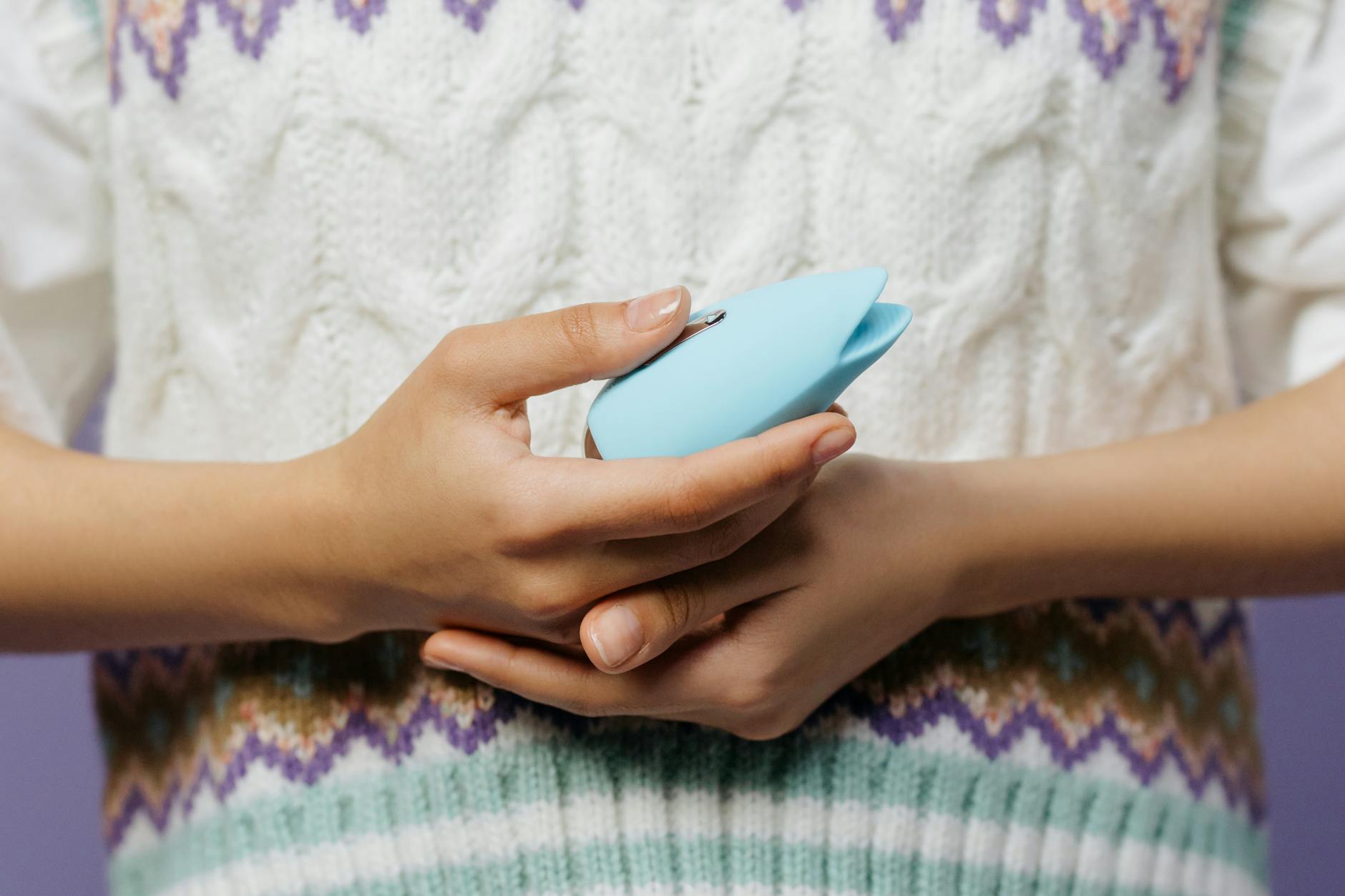
Photo by cottonbro studio on Pexels
What "slow" actually looks like in numbers
I work with a lot of people who are shocked by how long recovery takes. Let me normalize some timelines.
After a major trauma (sexual or otherwise): 3 to 9 months before sensation starts returning predictably. After stopping an SSRI: 6 to 16 weeks of muted response. After a medical procedure on pelvic tissue: 8 weeks minimum, often 12. After a relationship where you felt unsafe or unseen: sometimes 6 months of reconnection work before desire stabilizes.
These aren't failures. These are normal trajectories.
Some people do heal faster. That's great. They're not more resilient than you. They just happened to have a different nervous system, different history, different circumstances. Your timeline is your timeline.
The role of a lemon vibrator in patient recovery
A lemon clitoral vibrator is genuinely useful during slow recovery, but only if you use it the right way.
What it's good for: gentle stimulation that doesn't require partner coordination, arousal cues that your body can experience without pressure, a clear boundary between "exploring sensation" and "trying to fix something," tactile feedback that can help wake up a numb area slowly and safely.
What it's not good for: forcing pleasure on a schedule, "proving" you're better, replacing the emotional work of recovery, short-circuiting the time your nervous system actually needs.
The suction pattern of a lemon vibrator is especially useful during recovery because it's consistent and predictable. Your nervous system likes predictability. It feels safer. When you know exactly what the vibration pattern will be, your body can relax more easily and explore sensation without surprise.
Talking about this with a partner (if that's relevant)
If you're in a relationship and moving through recovery at a pace that feels slower than you or your partner expected, you'll need a conversation.
Here's what works: "I'm doing the work of recovery, and my timeline is X. I'd like you to know that as a heads-up, not because I'm asking for permission or judgment." Then, separately: "Here's what I need sexually during this time." Those are two different conversations.
Your partner doesn't get to speed up your recovery. They do get to decide whether they can be patient and present. If they can't, that's information. If they can, that's partnership.
If you're partnered and using a lemon vibrator, you have options. Some people want their partner present but not involved. Some want solo time with their own pleasure. Some want to explore together but with clear boundaries. None of these is right. What's right is whatever matches what you need.
When to get help if recovery stalls
There's a difference between "slow" and "stuck." Slow means you're making progress, even if it's incremental. Stuck means nothing has changed in 3 months or you're moving backward.
If you're stuck, a somatic therapist or trauma-informed sex therapist can be genuinely helpful. They can identify whether you're dealing with a nervous system response that needs specialized treatment, whether there's a physical factor that needs attention, whether the story you're telling yourself about your timeline is the real bottleneck.
Some people need pelvic floor physical therapy. Some need medication support. Some need to process a relationship dynamic that's still unresolved. Some just need permission to stop measuring themselves against a timeline.
The patience piece (which is the hardest part)
Honestly though, the biggest barrier to slow recovery isn't the physical healing. It's the impatience. It's the shame of taking longer than you think you should. It's the guilt of wanting your body to work faster. It's the grief of the timeline you expected.
That's where I usually end up focusing in my practice. Not on the techniques or the tools, but on the internal narrative. Can you be with your body as it is right now, moving at its pace, without judgment? Can you use a lemon clitoral vibrator as an act of self-compassion instead of self-correction?
That shift changes everything.
Your pleasure is worth the time your recovery actually needs. Not the time you think it should need. Not the time it needed for someone else. Your time.
Frequently asked questions
How long should I expect sensation to return after medication changes?
Every person is different, but sexual side effects from SSRIs can take 6 to 16 weeks to fully resolve after stopping. Some people feel change within 2 to 3 weeks. Others take months. Your prescriber can help you understand your specific timeline based on the medication and your body. In the meantime, a lemon clitoral vibrator can help you track what's changing week to week.
Is it normal to feel frustrated with my body during slow recovery?
Completely normal. You're dealing with grief, disappointment, possibly anger at your body for not cooperating on your timeline. That frustration is valid. It's also separate from your worth as a person or your capacity for pleasure. Both things can be true at once. Naming the frustration helps a lot.
Can using a lemon vibrator actually speed up recovery?
No tool speeds up nervous system healing. What a lemon vibrator can do is help you stay curious about sensation instead of checking out from your body entirely. Gentle, regular exploration sometimes helps your nervous system feel safer faster than complete avoidance. But the timeline is still the timeline.
What if my partner wants sex before I feel ready?
That's a boundary conversation, not a medical question. Your readiness is yours. Your partner's needs are theirs. These need to be negotiated separately. Sometimes they align. Sometimes they don't, and you work with that mismatch directly. A sex-positive couples therapist can help navigate this specific dynamic.
Should I be using numbing products if sensation feels overwhelming?
Not usually. If sensation feels intense or triggering, the answer is typically pacing (shorter sessions, lower intensity, longer recovery time between), not numbing. Numbing products can actually extend recovery by blocking the feedback your nervous system needs to recalibrate. Talk to a trauma-informed therapist if sensation feels unsafe.
How do I know if I should see a specialist during slow recovery?
Seek help if you're stuck (no change in 3 months), moving backward (sensation was returning and now it's not), experiencing pain, or feeling emotionally unsafe in your own body. A sex-positive therapist, somatic practitioner, or pelvic health physical therapist can all help depending on what's happening.
You're not behind
Recovery is not a race. Your body is not broken because it's taking longer than the textbooks promised. A lemon vibrator is a tool for exploration during this time, not a ticket to skip over the actual healing your nervous system needs.
Use it gently. Use it curiously. Use it when you're ready, not when you think you should be. Your pleasure will find its way back. It just might take longer than you expected. And that's completely okay.
If you have questions about navigating recovery or want to explore how to rebuild connection with your body during this time, reach out. That's what I'm here for.