Let's be real about the gap
Years apart changes how you relate to your own body, let alone someone else's. Whether it was military deployment, long-distance work assignments, caregiving responsibilities, or just life pulling you in different directions, extended separation creates a specific kind of awkwardness when you're finally back together. You're not strangers, but you're not quite the people you were either. Physical intimacy doesn't just restart like a paused video. It needs a runway.
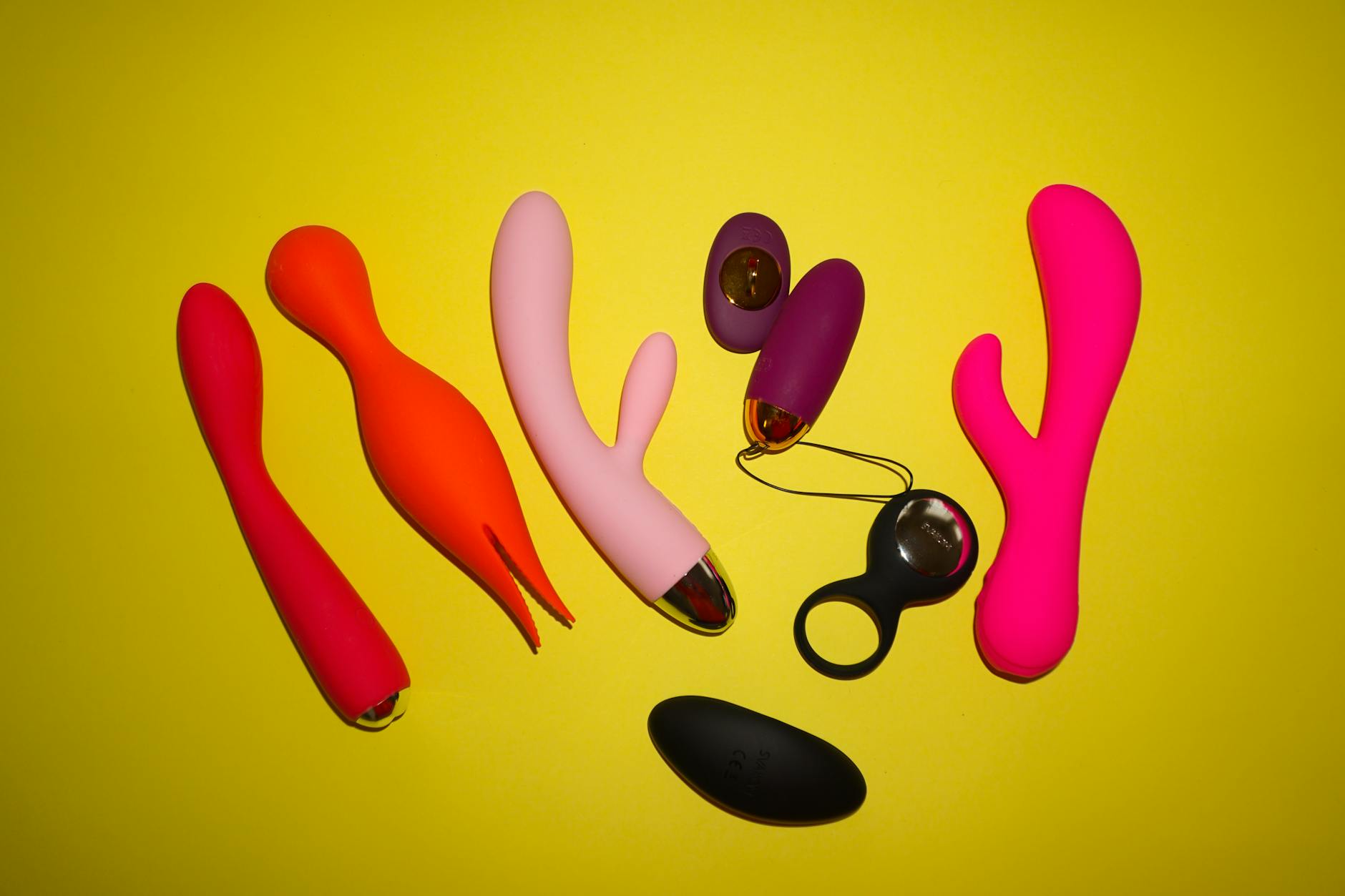
That's where a lemon clitoral vibrator comes in. Not as a replacement for connection, but as a bridge that makes reconnection feel less performative and more genuine.
Why the gap creates friction (and it's not about attraction)
Here's what I see in my practice: couples who've been apart for extended periods often assume the problem is desire. It's almost never just desire. It's usually a combination of things working against you at once.
First, your nervous system has adapted to functioning without physical touch. That means your body doesn't just "turn on" the way it did before. You need more time to shift from thinking mode into feeling mode. Second, there's performance anxiety layered on top. You're thinking about whether it's going to feel weird, whether you're "doing it right," whether your body still works the way it used to. That mental chatter kills arousal faster than anything else.
Third, the bodies themselves may have changed. That's not a problem unless you make it one. But unspoken worry about those changes creates distance even when you're in the same room.
The lemon vibrator as a reset button
A lemon clitoral vibrator works here because it does several things at once without requiring you to articulate any of them:
It shifts focus from performance to sensation. When you're using a lemon vibrator, you're not thinking about what your partner thinks about your body. You're thinking about what the suction feels like. That shift in attention alone unlocks arousal.
It removes the pressure for instant response. If you've been apart for years, expecting your body to respond immediately is like expecting a muscle to work after it's been immobilized. A lemon vibrator lets you explore at your own pace. No rush. No judgment.
It creates something you're both discovering together. If you're exploring this with a partner, you're not "restarting" an old pattern. You're discovering something new. That distinction matters. New feels less fraught than trying to resurrect what used to be.
Starting alone first (and why that's not selfish)
Before you bring it into partnered time, spend a few sessions with yourself. Here's why: you need to remember what your own arousal feels like. You need to know where your sensitivity is right now, not where it was years ago. You need to build back the habit of taking pleasure seriously.
Start in a space where you feel safe and unhurried. Thirty minutes minimum, no phone, no distractions. Use water-based lubricant even if you think you don't need it. Your tissue will thank you, and it changes how the suction feels. Begin at the gentlest setting on the lemon vibrator. Spend time exploring the sensation. Notice what patterns feel good, where the sensation is most intense, what makes you want to come back for more.
After three or four solo sessions, you'll have a map of your own body again. That's gold when you bring this into partnership.
Bringing it into partnered reconnection
Talk about it first, but keep it simple. "I want to try something that might help us both relax into this." That's all you need. Don't turn it into a whole negotiation.
When you're together, start with a lot of non-sexual touch. Hands, kissing, proximity. Let your nervous systems remember each other. Then, when you're both interested, introduce the lemon clitoral vibrator as part of foreplay, not the main event.
One approach: you use it on yourself while your partner is present and engaged. They're watching, touching you elsewhere, building anticipation. This removes the pressure for them to "make something happen." You're handling your own pleasure while they get to participate and witness it.
Another approach: they use it on you. This requires communication about pressure and speed, but it gives you both something to focus on besides performance anxiety. You're collaborating on sensation.
Neither approach is better. What matters is that you're choosing connection over habit, and intention over assumption.
Pacing your return to regular intimacy
Don't try to make up for lost time in one session. That's how you trigger overwhelm or pain. Instead, build a rhythm.
Week one: solo exploration with the lemon vibrator. Get comfortable again.
Week two to three: introduce it together in low-pressure settings. Maybe it's the only thing you do sexually. That's fine. That's the whole point.
Week four onward: integrate it into whatever your baseline intimacy looks like. It doesn't have to be part of every encounter. But having it available removes the pressure that something "should" happen a certain way.
Managing expectations (yours and theirs)
Honestly, the biggest mistake couples make after reunion is expecting sex to feel like it did before. It won't. That's not failure. It's information. Your bodies are different. The context is different. Your relationship is different. The goal isn't to recreate the past. It's to build something that works for who you are now.
If your partner seems hesitant about the lemon vibrator, that's usually not about the vibrator. It's about anxiety or embarrassment. Take that seriously. You might say: "I want this to feel good for both of us. This helps me relax, which makes everything better." Most people respond well to that framing.
If you feel awkward about using it in front of them, remember: they want you to feel good. That's not weakness. That's access to better intimacy for both of you.
When to reach out for help
If pain shows up during sex, don't push through it. That's a signal, not a hurdle to overcome.
If desire stays completely absent after a few weeks of gentle exploration, that might point to something deeper. Depression, resentment, or physical health issues sometimes hide under the banner of "we've been apart too long." Those are worth discussing with a therapist or doctor.
If communication about this feels impossible, that's also information. A few sessions with a couples coach can help you navigate the conversation in a way that doesn't trigger defensiveness.
Reconnection is real work. That doesn't mean it's not worth it.
FAQ
How long does it usually take to feel normal again after years apart?
There's no standard timeline. Some couples reconnect physically within a few weeks. Others need a few months. What matters is consistency and communication, not speed. Think of it like rebuilding trust after any kind of gap. You can't rush it, but you can make it easier with the right tools. A lemon clitoral vibrator removes some of the pressure by letting you focus on sensation instead of performance.
Can using a lemon vibrator alone damage my relationship?
No. In fact, the opposite is usually true. When one partner feels comfortable exploring their own pleasure, they bring less anxiety into shared intimacy. That's healthier for everyone. If your partner feels threatened by your solo practice, that's worth talking through, but the vibrator itself isn't the problem.
What if my partner wants to use the lemon vibrator on me but I feel shy?
Shyness is normal and valid. Start by using it on yourself while they're present. Let them watch. As you get more comfortable, you can hand it over. There's no rush. The goal is connection, and that happens at the pace that feels safe.
Should we use the lemon vibrator every time we have sex after reconnecting?
Not necessarily. Some couples use it occasionally. Others find it becomes a regular part of their routine. Neither way is wrong. Let your bodies tell you what works. You're allowed to change it up as you get more comfortable.
Is there a specific setting on the lemon vibrator that's best for reconnecting?
Start low and go slow. Most people benefit from the gentler settings when they're rebuilding arousal after a gap. You can always turn it up. You can't undo going too hard too fast. Water-based lubricant makes every setting feel better, so don't skip it.
What if reconnecting feels emotionally hard, not just physically hard?
That's incredibly common and worth acknowledging. Physical reconnection often stirs up emotions: grief about the time lost, anxiety about whether things are really okay, joy mixed with vulnerability. If it feels overwhelming, slow down. Talk to your partner. And consider reaching out to a relationship counselor who specializes in reunion dynamics. How to Restart Intimacy After Extended Relationship Stress covers emotional barriers in more depth.
The actual bottom line
Years apart doesn't mean the end of physical intimacy. It means you need a different approach to reentry. A lemon clitoral vibrator can make that approach feel less like work and more like exploration. But the real connector is patience, communication, and the willingness to build something new instead of forcing something old back to life. That's what sustainable reconnection actually looks like.
If you're ready to restart but not sure how to navigate the conversations, How to Use a Lemon Clitoral Vibrator When Communication With Your Partner Feels Stalled might help you get unstuck.