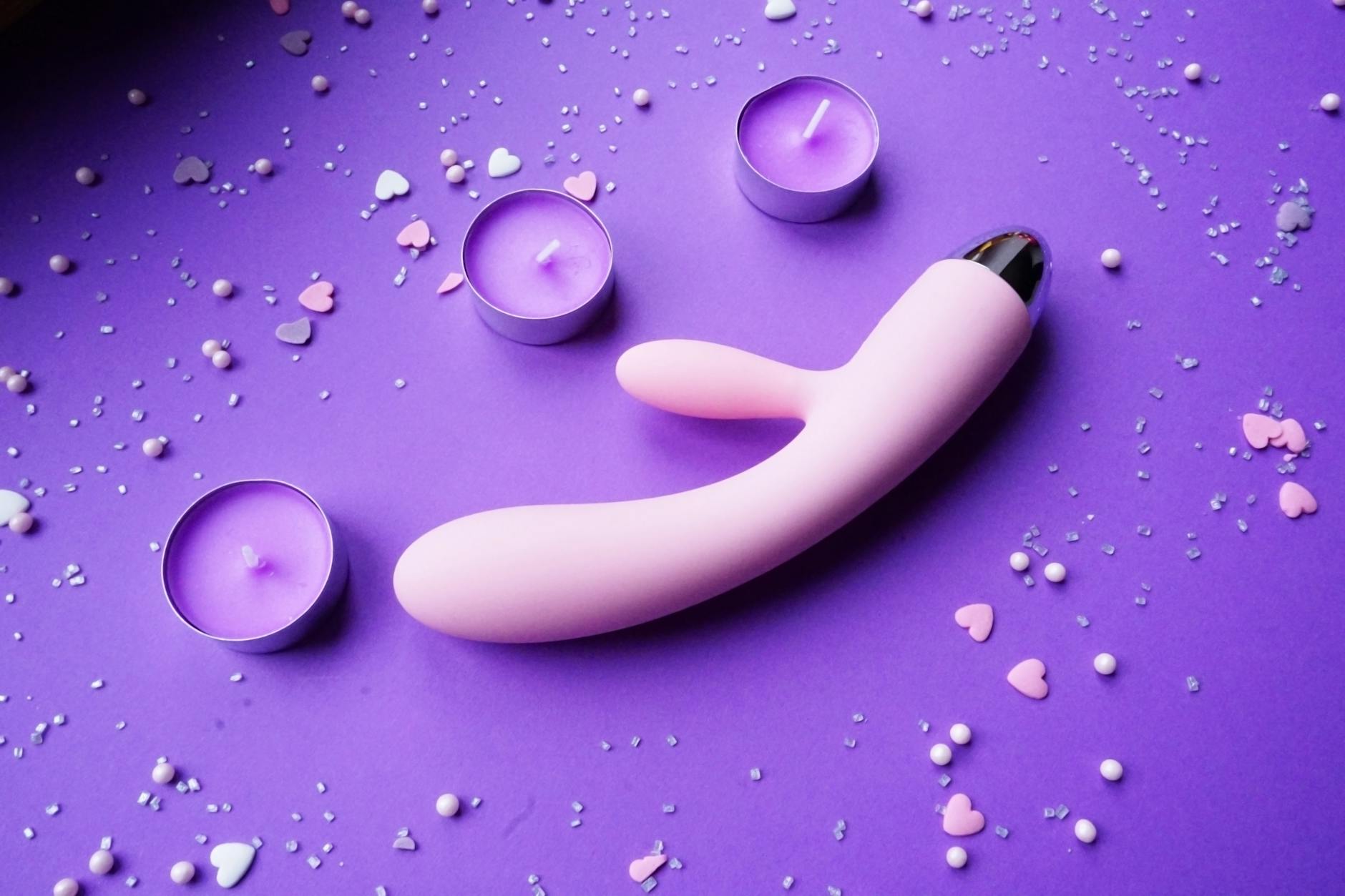
Let's be real. If you're looking up how to use a lemon vibrator while nervous about pleasure, you've probably already had a conversation with yourself that goes something like: "I want to feel good, but what if I can't? What if I'm broken? What if I'm overthinking this?"
That voice is loud. And it's not you being broken. It's anxiety, which is one of the best pleasure killers we've got. Anxiety tightens the pelvic floor, narrows your attention, and convinces your body that something is wrong when nothing is.
Here's what I know from years of working with clients: using a lemon vibrator when you're nervous works specifically because it bypasses the parts of your brain that are afraid. Suction-based clitoral vibrators like the Lemon engage sensation differently than traditional toys. They're less demanding, less intense on the entry, and often quieter than what people expect. That combination shifts the entire dynamic from "Will this work?" to "Oh, I can feel that."
Your nervous system doesn't distinguish between a tiger and a worry spiral. Both trigger the same survival response: shallow breathing, muscle tension, and blood flow redirected away from the genitals. So when you're anxious about pleasure, your body literally makes pleasure harder to feel.
Add in cultural shame, past bad experiences, or trauma, and that nervous system response becomes a habit. Your body learns to brace against sensation instead of opening to it.
A lemon clitoral vibrator helps because it's gentle enough not to trigger that bracing reflex. You're not forcing yourself into pleasure. You're creating conditions where pleasure can happen naturally.
Honestly, this is the most important step and the one people skip. Before you even touch a lemon vibrator, decide that today is not about achieving anything. Not an orgasm, not arousal, not "proving" to yourself that you're normal. Today is just about noticing sensation.
This reframe matters. Performance pressure makes anxiety worse. When you remove the goal, you remove the judge in your head.
Set yourself up. Dim the lights if that helps. You don't need candles or music unless those genuinely relax you. Some people find that stuff adds more things to think about. Clean sheets, a closed door, your phone on silent. That's the whole setup you need.
Take your time getting comfortable with the lemon vibrator itself before you use it. Hold it, feel the weight, look at it. Power it on at the lowest setting while it's not touching your body. Let yourself hear the sound, feel the vibration in your hand, adjust to the idea that this is happening.
If your nervous system spikes at the sound, that's information. It's not a sign you can't do this. It's a sign your body needs a moment. Turn it off. Breathe. Notice that nothing bad happened. Then try again.
When you're ready, start with external contact. Not your genitals yet. Put the lemon vibrator on your inner forearm, your neck, your collarbone. Feel how the suction sensation works. It's different from vibration. It's more like a gentle pull than a buzz. Let your nervous system get used to that sensation in a lower-stakes area.
Many clients tell me this phase alone is calming. Your brain recognizes: "Oh, this is what that feels like. It's not overwhelming. I'm safe."
When you're ready, move the lemon vibrator to your inner thigh or your outer labia. Start at the lowest intensity setting. Stay there for a minute or two. If your pelvic floor tightens (you'll feel it), pause. Breathe into that tightness. Let it release. This is your body learning that sensation is not a threat.
The key difference between a lemon vibrator and traditional toys is that suction-based clitoral vibrators don't demand as much of you. They're not aggressive. You can sit with them at a low intensity for a long time without fatigue or overstimulation.
When you move to direct clitoral contact, keep the intensity low. You can always turn it up. You can't un-feel an intensity spike that triggered your nervous system. Start at setting 1 or 2. Most people think they want higher intensity. What they actually want is the right intensity, which is usually lower than they guess.
Here's something that changes everything: your breath controls your pelvic floor. When you hold your breath, the pelvic floor tightens. When you breathe deeply, it relaxes. If you notice yourself holding your breath while using the lemon vibrator, pause and breathe.
I recommend counting breaths. In for four, hold for two, out for four. That rhythm is slow enough to genuinely calm your nervous system and specific enough to give your mind something to focus on besides anxiety.
Your pelvic floor will relax as you breathe. And as it relaxes, sensation improves. It's not magic. It's physiology. But it feels like magic when you're used to your body staying clenched.
Progress is not an orgasm. Progress is noticing that you felt something without immediately tensing. Progress is turning the lemon vibrator on twice this week instead of once. Progress is thinking about pleasure and your body without shame appearing in the thought.
Some clients spend weeks at the "external contact, low intensity" phase. Others move faster. Neither is wrong. Your nervous system sets the pace.
One pattern I see often: people use the lemon vibrator once, feel awkward, don't try again for a month, then feel like they've failed. That's the anxiety talking. Pleasure is a skill. Skills take repetition. Three or four sessions with no pressure is more useful than one desperate attempt.
If you have a partner, you don't need to tell them you're nervous or working through anything. Honestly, that context can make them anxious too. What helps is simple: "I want to explore some things on my own for a bit. This is just for me."
Once you're comfortable with the lemon vibrator solo, using it with a partner is easier because you already know it doesn't hurt, it doesn't break you, and it feels good. You can show them, "This is what I enjoy." That's powerful information for both of you.
If you feel sharp pain, stop immediately. Discomfort is one thing. Sharp pain is your body saying no. That might mean a lower intensity, more lubrication, or a different angle. It might also mean talking to a healthcare provider.
If you feel dissociated or numb, that's your nervous system going into freeze mode. Stop, ground yourself (notice five things you can see, four you can touch, three you can hear), and come back to your body. You're safe. Your body is protecting you. You don't need to push through.
Anxiety about pleasure often comes with a history of feeling unsafe in your body. Forcing yourself past that discomfort doesn't heal it. Respecting your pace does.
No. Even at the highest intensity setting, a lemon clitoral vibrator is designed to be safe. The suction mechanism is gentler than traditional vibrators. Start low, breathe, and move at your pace. You're in control.
That's normal when anxiety is present. Your nervous system is focused on threat, not sensation. Try again in a day or two. The third or fourth time, most people notice something. Your body needs permission to relax.
Water-based lubricant can help the suction feel smoother and more comfortable. It's optional, but many people find it reduces friction anxiety. Use a small amount on the outer labia or directly on the toy.
Early on, pleasure and sensation are the same thing. You're learning to notice what your body feels. That IS the pleasure. Don't judge it. As you get more comfortable, pleasure will layer in more obviously. But the foundation is just noticing.
Yes. Your nervous system is settling. Your body might release emotion that's been stored. That's healthy. Let it happen. If emotions feel overwhelming, pause and breathe.
That's worth stopping and getting support. A therapist who specializes in sexual anxiety or trauma can help you understand what's driving the anxiety. Using a toy can sometimes bring up deeper stuff that needs professional attention. That's not a failure. That's information.
Using a lemon vibrator when you're nervous about pleasure is not about fixing yourself. You're not broken. You're learning to trust your body again, or maybe for the first time. That takes patience, breath, and a tool that meets you where you are.
A lemon clitoral vibrator works because it's not demanding. It doesn't require you to be a certain way. It just offers sensation at whatever intensity you choose. Your only job is to notice, breathe, and let your nervous system settle.
If you want to talk through what's coming up or need more support, reach out. That's what I'm here for.
The Gottman Institute has excellent resources on how anxiety affects intimacy and nervous system regulation in relationships. The work of Bessel van der Kolk on trauma and the body is foundational for understanding why anxiety makes pleasure difficult. If you're working through sexual anxiety alongside relationship dynamics, a therapist trained in both somatic therapy and couples work can help you move through this faster.
For product guidance, Hello Nancy's buying guide walks through different clitoral vibrators and which ones tend to feel gentler for nervous systems. The Lemon Vibrator is specifically designed for low-pressure, high-comfort stimulation.